What happened
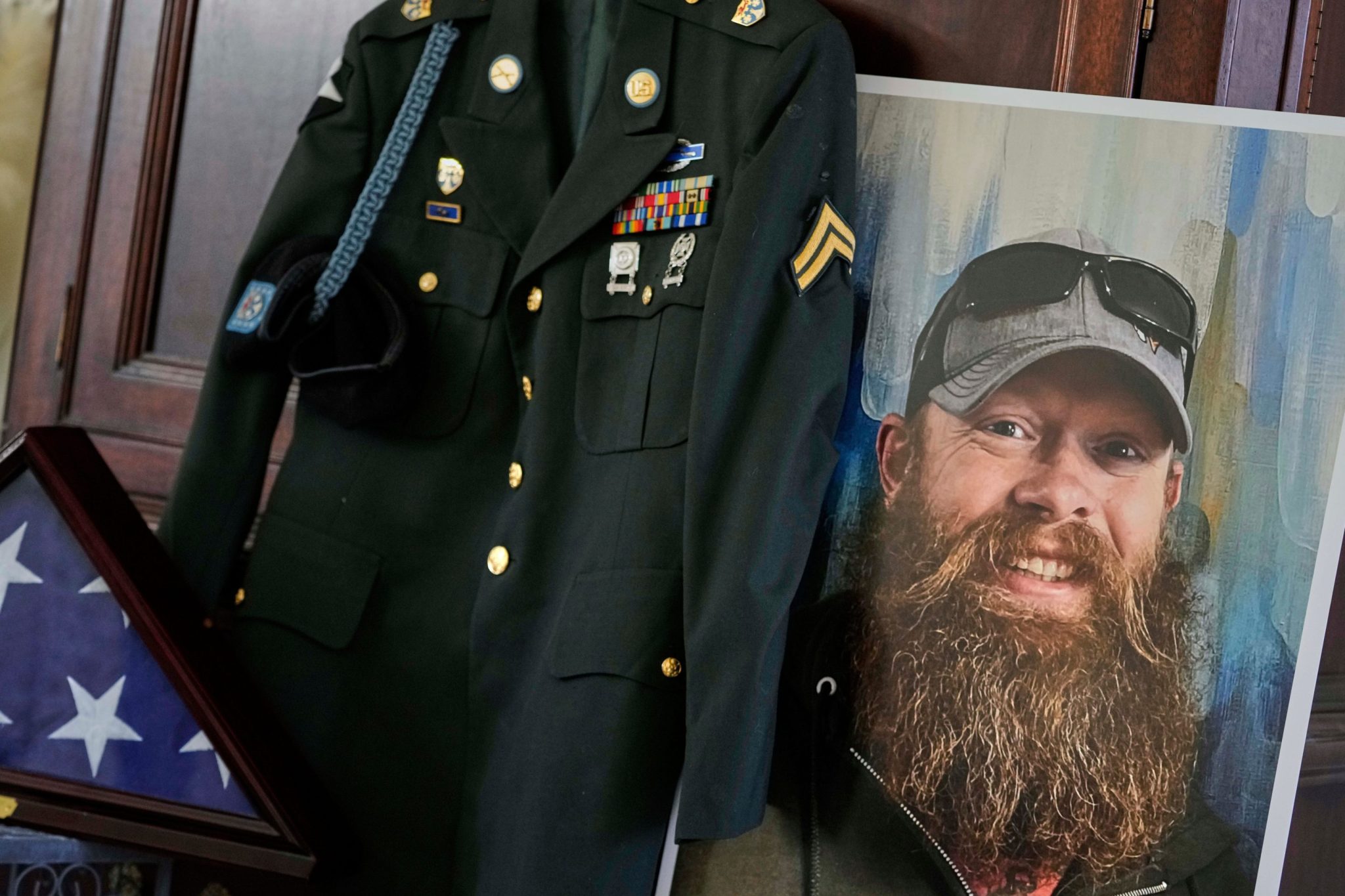
The Arizona Court of Appeals ruled Wednesday that Gabriel Paul Horcasitas must be resentenced in the 2021 shooting death of Christopher Pelkey because an AI-generated video of the victim was not reliable evidence and presented statements as coming directly from him.
Why it matters
The ruling suggests courts may treat AI-generated victim statements as unreliable evidence when they depict words the victim never said, potentially setting a standard for how such footage is weighed in sentencing.
What to watch
The case hinges on whether Horcasitas's resentencing proceeds without the AI video, and his lawyer argued he had no meaningful opportunity to rebut the footage; Sarah Wales said a victim appeals lawyer warned that using AI again could trigger another appeal.
WHO IT HITSThis ruling affects criminal defense attorneys and victim advocates who rely on AI-generated courtroom materials, particularly those preparing victim impact statements for sentencing hearings.
Summaries like this, in your inbox every morning.
The case began with a November 2021 road rage encounter at a stoplight in Chandler, Arizona, where authorities say Gabriel Paul Horcasitas fatally shot Christopher Pelkey, who was unarmed, after Pelkey got out of his truck. Horcasitas was convicted of manslaughter and endangerment. Before his May 2025 sentencing, Pelkey's family used AI to create a video of his likeness speaking to the judge. Pelkey's sister, Stacey Wales, raised the idea after struggling to figure out what her brother would say; she said her only goal was to humanize him for the judge.
The appeals court found the video did not document an event but presented a depiction of the victim and his thoughts "created from the imaginings of the victim's sister." Horcasitas's lawyer had argued the judge violated due process by relying on AI evidence, while prosecutors and the family's attorney said the footage accurately represented Pelkey's character. The judge had commented shortly before sentencing that he "loved that AI" but did not say from the bench whether the video factored into his decision. It is not clear if attorneys or the court knew in advance that an AI-generated video would be used.
The ruling may hinge on how courts distinguish between AI used for administrative tasks, legal research, and case preparation, and AI used to generate victim statements outside evidentiary phases. For defense attorneys, the decision signals that AI-generated depictions of victims may face heightened scrutiny, while victim advocates may need to weigh the risk of appeals against the goal of humanizing victims in court. The outcome for Horcasitas's resentencing remains undecided, and Wales said the family will continue to let Pelkey's voice be heard in whatever allowable medium they can convey.
Pick your industry and the AI tools you use, and get news related to your work every day.
Free · 30 seconds with Google · unsubscribe anytimeWhat is AIToday? →
Ask AI anything about this article. The AI reads this article, earlier AIToday articles, and Wikipedia, and cites its sources. Q&As are published on this page for other readers too.

