What happened
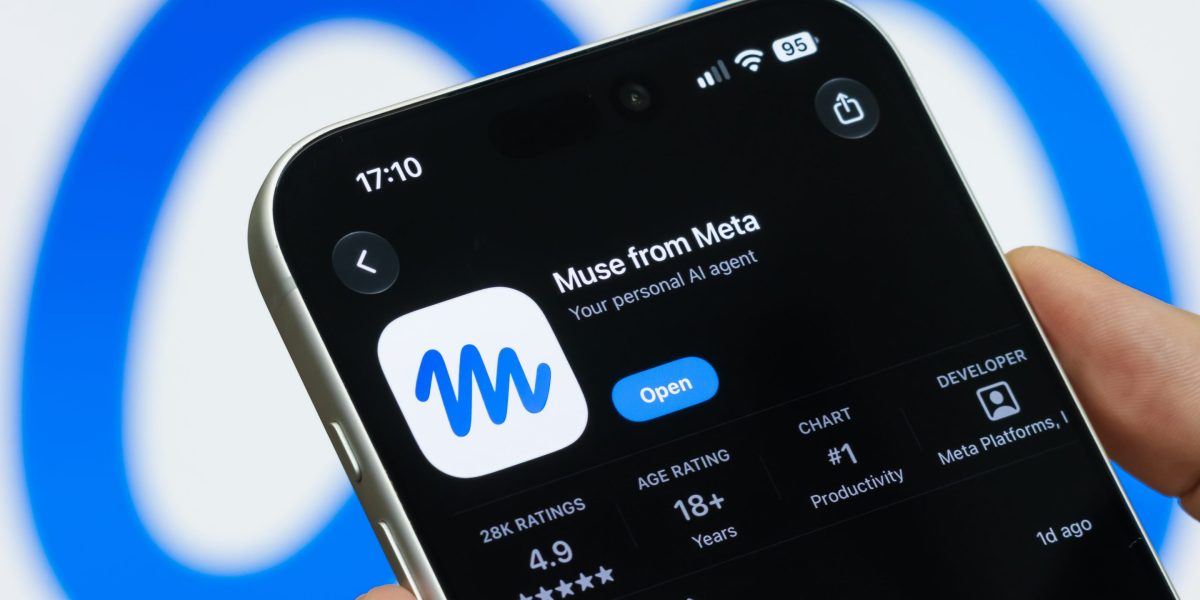
Meta's Muse app, powered by its Muse Spark AI model, unseated ChatGPT as the top free app on Apple's App Store, then Amazon blocked the assistant from its online store, saying unauthorized AI-agent access violates Amazon's Conditions of Use.
Why it matters
Muse's rise marks Meta's first major consumer AI agent push, and Amazon's block shows how access rules could decide whether shopping agents work for users or favor the platforms that control them.
What to watch
The dispute echoes Amazon's lawsuit against Perplexity over its Comet AI tool, which Amazon lost on a claim after the Ninth Circuit found users chose to access Amazon via Perplexity's bot; Amazon is still fighting.
What to watch
Apple's and Google's answers are likely to matter most, given Palo Alto Networks CEO Nikesh Arora's prediction on X that an Apple, Google, and possibly TikTok version of Muse is only a matter of time.
WHO IT HITSThis lands on consumers deciding whether to hand an AI agent access to bank accounts and shopping logins, and on retailers and marketplaces such as Amazon that must decide whether to open APIs to consumer agents.
Summaries like this, in your inbox every morning.
Muse's breakout comes as Meta has struggled to compete with frontier labs like OpenAI and Anthropic, making it a much needed consumer win. The company released Muse just as Anthropic and OpenAI launched cheaper versions of some of their models, and Apple recently rolled out its revamped Siri in its newest iOS update. Amazon's block, meanwhile, follows its lawsuit against Perplexity over the Comet AI tool, which could access Amazon accounts much like Muse does; Amazon recently lost a ruling on that claim after the Ninth Circuit found users were ultimately choosing to access Amazon via Perplexity's bot, and it is still fighting the issue.
Amazon's own stance is not absolute: it offers a shopping agent called Buy for Me, says brands can opt out but are automatically opted in, and CEO Andy Jassy has said the company is exploring AI shopping agent partnerships with third parties. Meta's own privacy record is likely to shape how consumers weigh the trade-off, since Muse requires access to sensitive information like bank accounts to act on a user's behalf, and Meta has faced multiple proposed class-action lawsuits over its smart glasses, including one alleging footage was sent to third-party human reviewers; Meta has disputed the allegations.
The immediate test is whether Amazon's access rules hold up under the same legal scrutiny as its Perplexity claim, and whether other large platforms follow with blocks of their own. For role-based readers, the stakes look different for consumers deciding how much account access to trade away, for retailers weighing whether to open APIs to agents, and for small service and commerce apps that may face pressure to comply if distribution aggregators demand higher fees.
For example, today's edition would include:
AI-summarized, only the topics you pick — one digest a day via Email, LINE, or Slack.
Free · 30 seconds with Google · unsubscribe anytimeWhat is AIToday? →
Ask AI anything about this article. Q&As are published on this page for other readers too.
Identity Digital spun out Known Systems AI Inc., based on its Innovation Labs unit and DNSid, a 'birth certifi…
Qualcomm and MediaTek announced on the same day that they are entering the Googlebook supply chain, as preorde…

In his September 22 address to the United Nations General Assembly, US President Donald Trump rejected interna…

Brahma AI raised $150 million through preferred shares, with $100 million from Multiples Alternate Asset Manag…

Singapore's electronics exports rose 132% from a year ago in August, with personal computer shipments up 238%…

A Bloomberg gauge of 30 Chinese technology stocks with the biggest overseas revenue exposure returned 36% this…