What happened
Factory announced it raised $200 million, backed by Blackstone, Khosla Ventures, Sequoia Capital, NEA and other firms, plus angels including Marc Benioff.
Why it matters
Factory's platform is now used by hundreds of thousands of developers, including staff at Nvidia, Adobe and Palo Alto Networks, a step up from its earlier base.
What to watch
The company will reportedly use the round to reach 300 employees by year's end, so the test is whether its agent platform can absorb that growth.
WHO IT HITSEnterprise development teams evaluating AI coding tools now have a better-funded vendor option, and recruiters and engineering managers at large tech firms may see Factory's user base broaden as it hires toward 300 employees.
Ask the AI about this article →
Summaries like this, in your inbox every morning.
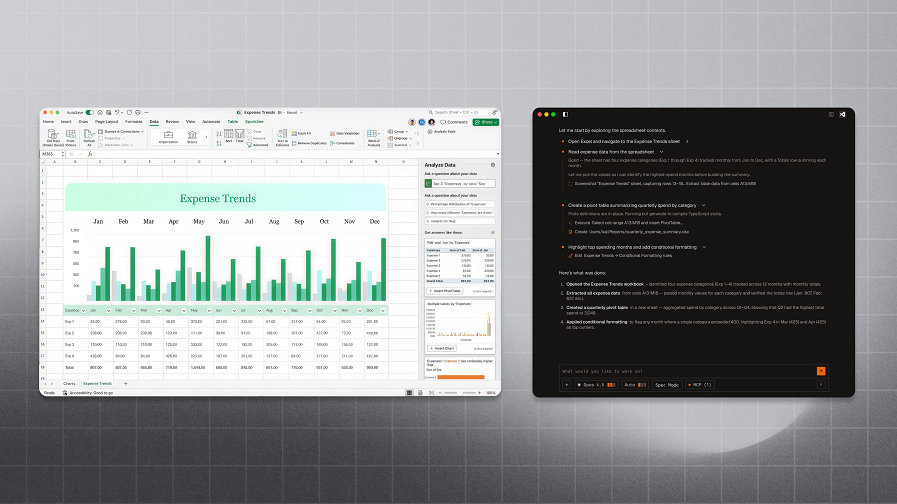
Factory, officially The San Francisco AI Factory Inc., has spent the past year building a platform that handles complex programming tasks such as porting an application to a new language. Its approach is to let developers type a high-level description, then break that work into sub-steps assigned to a group of AI agents. The platform automatically provisions infrastructure for each agent, prevents agents from interfering with one another's work, and tracks progress in real time.
Several features reflect lessons from running agents on real code. A slash command called Readiness Report checks whether a repository is agent-friendly, because AI agents struggle with code files that are not well-organized or lack technical explanations. Factory also checks for guardrails that prevent agents from introducing vulnerabilities. Once a task starts, each step goes to the large language model that can do it most cost-efficiently, and requests are rerouted if a model has technical issues. Agents run in virtual environments called Droid Computers, which save the libraries and configuration files so developers do not have to install them each session. In January, Factory said it was using LLMs to automatically improve its agents based on anonymized usage signals from thousands of daily sessions.
The new capital points to an expansion phase. Factory disclosed today that hundreds of thousands of developers use the platform, some at Nvidia, Adobe and Palo Alto Networks, and will reportedly grow headcount to 300 by year's end. Whether the company can turn that developer reach into durable enterprise contracts is likely to be the question investors watch, as chief executive Matan Grinberg frames the market as a move from individual coding agents to software factories that underpin an entire software company.
For example, today's edition would include:
AI-summarized, only the topics you pick — one digest a day via Email, Slack, or Discord.
Free · 30 seconds with Google · unsubscribe anytimeWhat is AIToday? →
Ask AI anything about this article. Q&As are published on this page for other readers too.
Keri Tracy, VP and chief audit executive at Newell Brands, told theCUBE that audit has a seat at the table for…
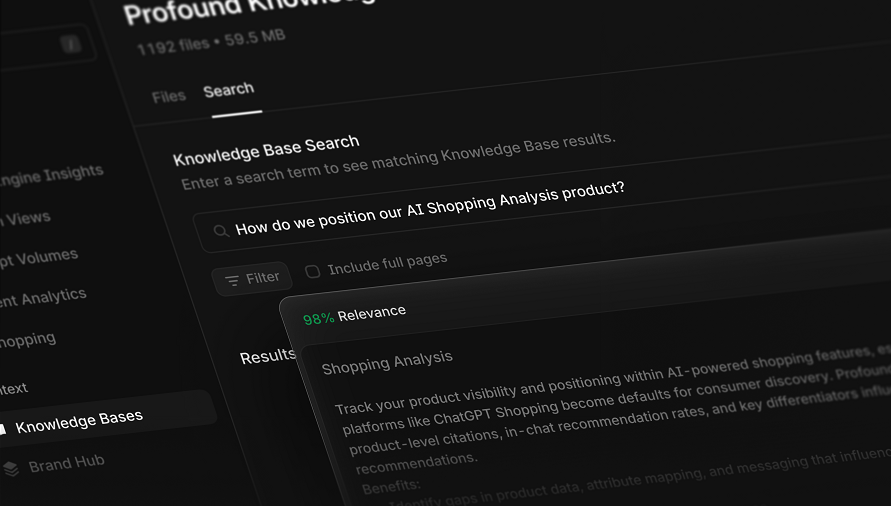
Profound raised $180 million in a Series D led jointly by Sequoia Capital and Kleiner Perkins, at a $1.8 billi…
AIUC raised a $40 million Series A led by Ribbit Capital to start auditing frontier AI models, after previousl…
Salesforce launched Koa, a reasoning model built on Nvidia's Nemotron open-weights platform, and Claudeforce…
Google launched Gemini 3.8 Live and Gemini 3.8 Live Extended Thinking, its most advanced voice models yet, wit…
ITRI held its ITRI Innovation Day on September 15 in Tainan, Taiwan, gathering research groups and startup tea…