
Anthropic released Fable and Mythos 5.1, its most advanced AI models.
Fable is cheaper and less restrictive, while Mythos is only for partners.
The release includes zero data retention and a new privacy service.
What happened
Anthropic released Fable and Mythos 5.1, twinned versions of its most advanced AI model, on Tuesday. The new Fable includes changes to reduce token cost and false-positive restrictions from safeguards.
Why it matters
Mythos 5.1 is only for registered partners in cybersecurity or life sciences, while Fable is open to all. Anthropic also introduced zero data retention and a new high-privacy service called Enterprise Frontier Safeguards, rolling out in June, giving clients control over monitoring.
What to watch
The models set records on benchmarks like Terminal-Bench 4.0 and Humanity's Last Exam. Anthropic also released three novel scientific findings from the models, including a custom GPU optimization and a high-resolution map of Venus.
Ask the AI about this article →
The release of Fable and Mythos 5.1 marks a step in Anthropic's approach to balancing capability with safety. The new Fable model aims to reduce token cost and false-positive restrictions, making it more accessible for a wider range of uses. At the same time, Mythos 5.1 remains tightly controlled, available only to vetted partners in sensitive fields like cybersecurity and life sciences. This dual approach suggests a strategy to serve both broad commercial needs and high-stakes research while maintaining oversight.
A notable development is the expansion of zero data retention, allowing clients to run models on their own infrastructure without data leaving their environment. This was previously unavailable for Fable, but now with Enterprise Frontier Safeguards, clients gain more control over monitoring. Anthropic's assurance that it has never trained on enterprise data without permission reinforces its commitment to data privacy, addressing a key concern for enterprise adoption.
The models' benchmark records and novel scientific outputs, such as a GPU optimization and a Venus map, highlight their advanced capabilities. However, the system card notes that Mythos 5.1 shows a slight regression in misaligned behavior compared to Opus 5, though it improves on earlier models in other areas. This nuanced evaluation suggests that while the models are powerful, they are not without trade-offs in safety.
For example, today's edition would include:
AI-summarized, only the topics you pick — one digest a day via Email, Slack, or Discord.
Free · takes 30 seconds · unsubscribe anytimeWhat is AIToday? →
Ask AI anything about this article. Q&As are published on this page for other readers too.
Goldman Sachs, Morgan Stanley and Citigroup are pressing elite law firms to lower fees, arguing AI is sharply…

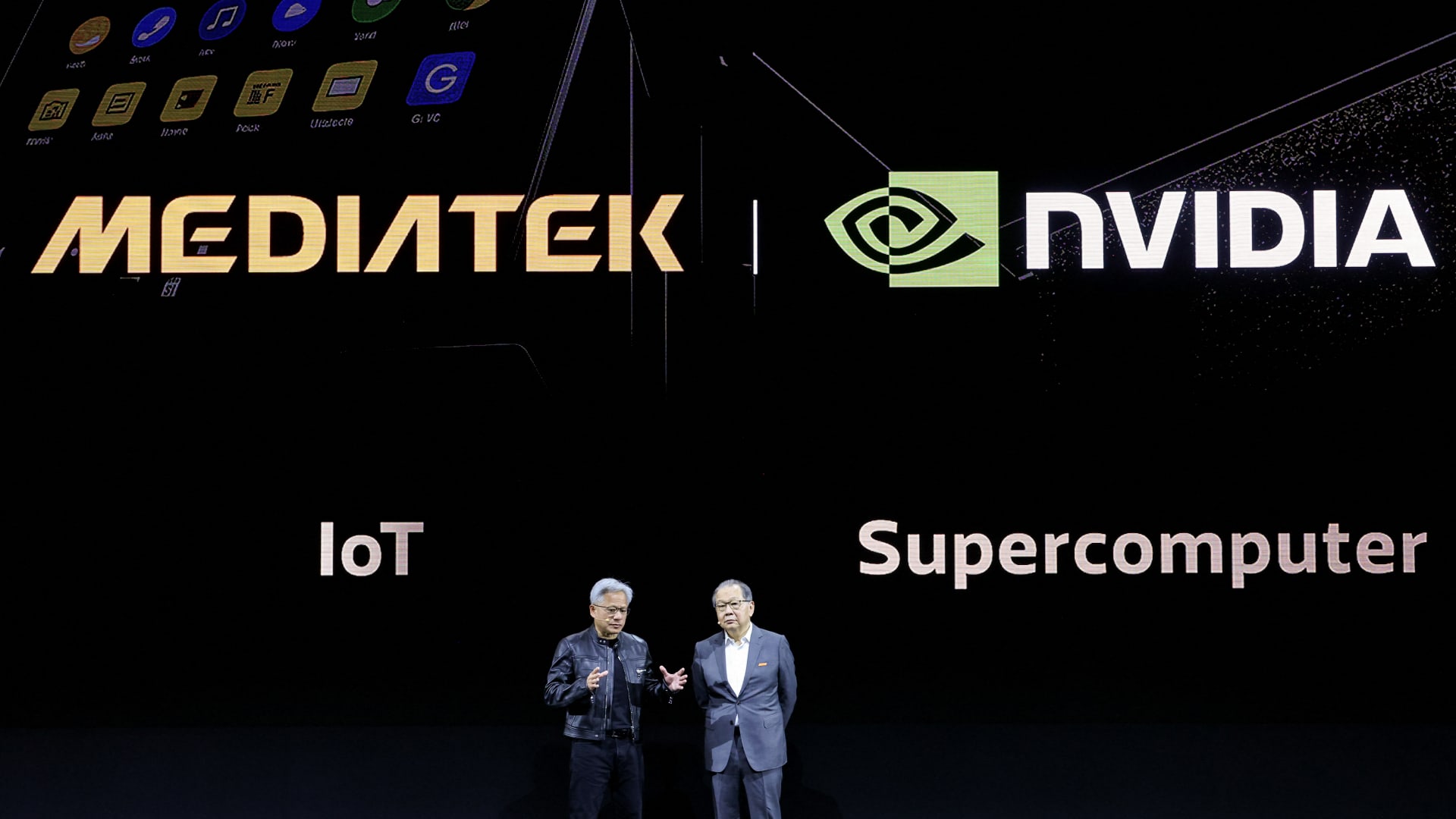
MediaTek shares closed 10% higher on Tuesday after the Taiwanese chip firm announced a partnership with Nvidia
Walmart settled opioid dispensing claims for $50 million

GE Vernova (NYSE: GEV) announced on August 24, 2026, in Paris, a new medium-voltage uninterruptible power supp…

Dell raised its annual revenue outlook, citing strong sales of AI servers

Oracle (ORCL) stock is down 4% to $142.82 in Tuesday afternoon trading, after the 10-year Treasury yield climb…