What happened
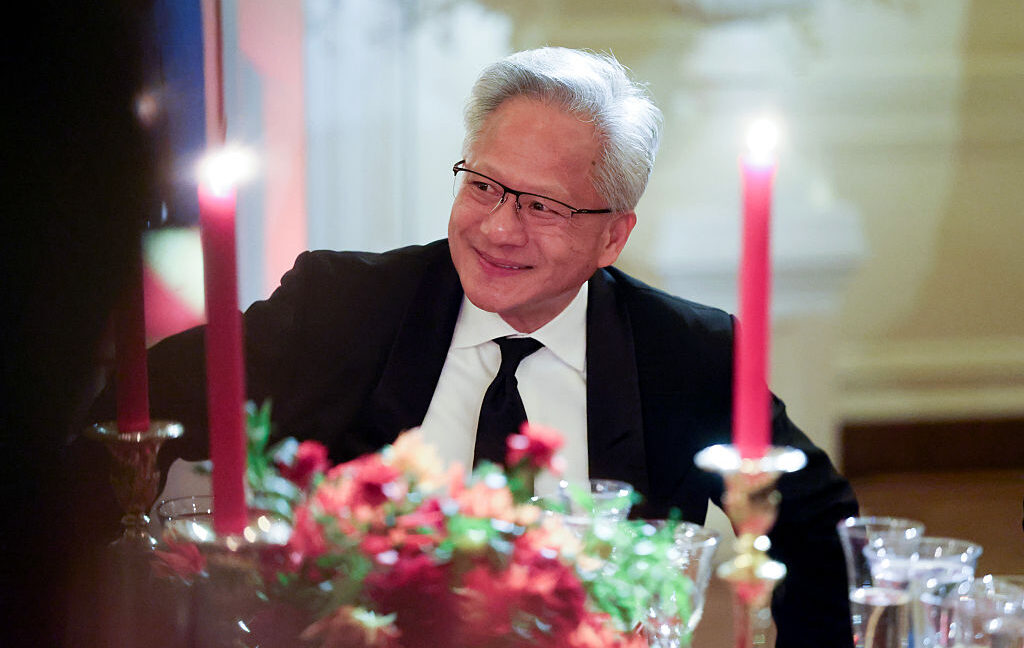
Stephen Witt, author of The Thinking Machine: Jensen Huang, Nvidia, And The World's Most Coveted Microchip, told NPR that Huang is now "the president's most influential adviser on technology issues" and that Trump's recent claims calling AI risk a "hoax" are "exactly Jensen's talking points."
Why it matters
Witt's assessment suggests the president's public position on AI risk may be shaped by the Nvidia CEO's views, which could influence how Washington handles AI safety discussions, according to Witt.
What to watch
Whether China approves ByteDance's planned order of 1 million RTX Pro 5500 chips, which sources told The Information would secure two quarters of projected Nvidia sales. Watch for Nvidia's first shipments reportedly planned for this December.
WHO IT HITSThis lands hardest on US AI safety nonprofits and national security analysts who have been urging the White House to take AI risk seriously; if Huang's views continue to shape policy, their warnings may carry less weight in Washington.
Summaries like this, in your inbox every morning.
The relationship between Trump and Huang did not start out warm. When Trump first took office, he asked "What the hell is Nvidia?" and initially tightened export controls, most notably by banning H200 chip exports to China. He even considered breaking Nvidia up. That changed after a dinner at Mar-a-Lago, where Trump said he "learned the facts of life" and came to see Nvidia as an "amazing" AI leader. He then lifted the H200 export controls, ignoring warnings from lawmakers and national security experts.
Since then, the two have appeared together repeatedly and talk regularly by phone. Treasury Secretary Scott Bessent confirmed ahead of Trump's talks with Xi that "the president is completely aligned with Jensen Huang." Meanwhile, China is weighing whether to let Alibaba and ByteDance import Nvidia's RTX Pro 5500 chips, with ByteDance planning to order 1 million chips—an order that would secure two quarters of Nvidia's projected sales.
Witt argues that the dynamic between the two camps—those who see AI risk as low and those who see it as high—hasn't shifted in a decade. If Huang's influence continues, the president is likely to keep downplaying warnings from AI firms, making it harder to advance serious US-China talks on AI safety. Whether that changes may depend on whether the administration faces pressure from lawmakers or national security experts to reconsider its approach.
Pick your industry and the AI tools you use, and get news related to your work every day.
Free · 30 seconds with Google · unsubscribe anytimeWhat is AIToday? →
Ask AI anything about this article. The AI reads this article, earlier AIToday articles, and Wikipedia, and cites its sources. Q&As are published on this page for other readers too.
Hewlett Packard Enterprise stock is down 5% at $55.87

The Motley Fool argues Amazon is the AI company of the two, since AWS was just 21% of first-half 2026 revenue…

OpenAI is launching the Rosalind Academic Plan, offering eligible research labs at US universities up to 30 fr…
Meta's new commercial terms, effective October 30th, appear to let it crawl and train AI on content from websi…

Vercel data published Thursday shows TypeSafe AI's Jev, a lightweight decision model for choosing among predet…

Chunghwa Telecom president Rong-shy Lin said the shift from conversational AI to autonomous AI agents is resha…


