
What happened
EURO, a PM at Toonkit, published a guide based on the team's Style LoRA training guide covering dataset choice, captioning and how to read settings; it cites the original guide's figure of 20 images, which reflects the service's spec at the time.
Why it matters
The guide's core advice is to keep what defines the style — lines, shading, texture — separate from what should change at generation, since images that also share a person or composition may bind those traits into the style.
Summaries like this, in your inbox every morning.
The guide's framing matters more than any single number in it. A Style LoRA is meant to transfer a shared way of drawing onto subjects the training set never contained, so EURO's first test is whether the same lines and shading show up when you generate an animal, a street or a forest — not whether the model can reproduce an image close to the training data.
That is why the data advice keeps circling back to variety. If every image is the same front-facing, same-haircut upper body, the person and composition can get bundled into the style. The guide's example set spans cel animation, thick oil painting, watercolor, semi-realistic digital paint and 3D rendering, and it says that starting with a single stated goal makes results easier to judge, rather than mixing widely different looks from the outset. The 20-image figure is presented as Toonkit's service-side guidance, not a rule that 20 is enough or required.
On captions, the guide is careful about a common shortcut: describing content and omitting style words is one design choice, but it is not a strict sorting where whatever you leave unwritten is learned as style. Whether to include style words depends on the base model, the training method and how the LoRA is invoked at generation. Its suggested settings — Step ranges, Rank 8/16/32, Learning Rate 5e-5/1e-4/2e-4 — come with the caveat that the original guide omits base model, optimizer and tool versions, so they are candidates to compare, not a portable preset. The evaluation routine it adds is deliberately plain: fix the same prompt, seed and settings, then score style, instruction-following and breakage separately.
Pick your industry and the AI tools you use, and get news related to your work every day.
Free · 30 seconds with Google · unsubscribe anytimeWhat is AIToday? →
Ask AI anything about this article. The AI reads this article, earlier AIToday articles, and Wikipedia, and cites its sources. Q&As are published on this page for other readers too.
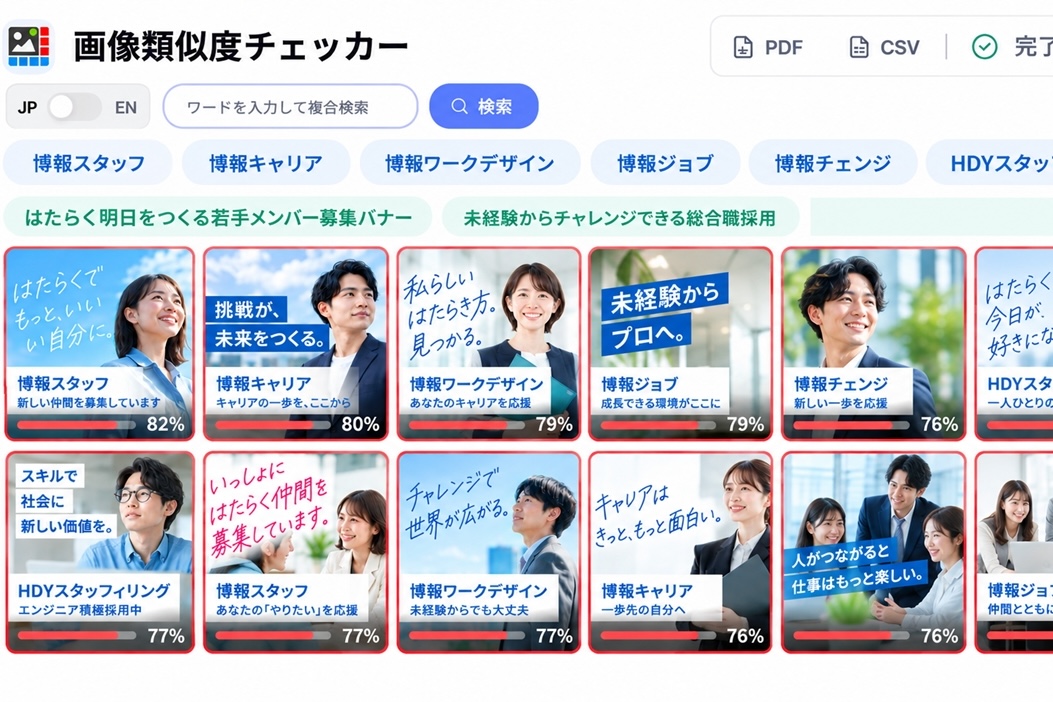
Hakuhodo began offering its "Image Similarity Checker" to client companies on October 19, automatically search…
In a 10-question test of Jev 1.14 against OpenAI's Decisions API (gpt-6-luna), both got every answer right
The author found that simulating each pleat as cloth is overkill, since painted folds with AI shading now look…
"AI NSFW 2026," attributed to Universidad de Córdoba (UCO), covers reference tools, reusable workflows, and vi…

The Zenn explainer lays out how diffusion models add Gaussian noise over T steps, then train a U-Net or Transf…
A developer released Design Compass, a browser-based app that searches 1,200 images across 60 styles using a r…

