What happened
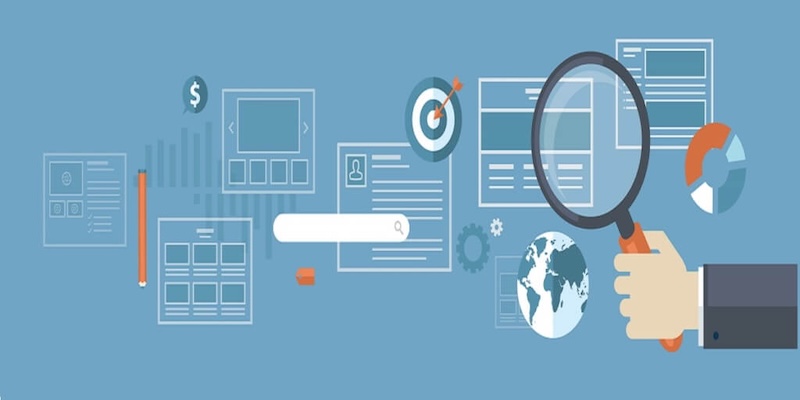
Buyers of industrial robots, warehouse automation, and manufacturing software increasingly use AI assistants like ChatGPT, Gemini, and Perplexity instead of traditional search engines. Gartner predicts traditional search volume will decline by 25% by 2026. Six GEO (Generative Engine Optimization) platforms now help companies improve their visibility in AI search results, ranging from monitoring-only tools (Peec AI, Otterly AI, Geoptie) to infrastructure-focused solutions (LightSite AI, Bluefish) and content optimization (Writesonic GEO).
Why it matters
As AI assistants summarize and cite content, robotics and automation companies need to ensure their websites are discovered and referenced by these systems. Traditional SEO practices alone are no longer sufficient—companies must now optimize for how AI systems discover, interpret, and cite their content through machine-readable infrastructure and structured data.
What to watch
Platform pricing and feature depth vary widely: Otterly AI starts at $29/month (affordability-focused), LightSite AI at $129/month (combines monitoring with automation), Peec AI from $95/month (monitoring-first), and Bluefish offers only enterprise pricing (100+ enterprise accounts). Choice depends on whether companies prioritize measurement, technical implementation, or both.
Summaries like this, in your inbox every morning.
Search behavior is undergoing a fundamental shift as industrial buyers adopt AI assistants for research. Rather than typing keywords into Google, procurement teams increasingly ask ChatGPT, Gemini, or Perplexity to summarize information about robots, warehouse automation, and manufacturing software. Gartner's prediction of a 25% decline in traditional search volume by 2026 reflects this acceleration. This shift has created a new category of software—GEO platforms—that help companies optimize not for keyword ranking, but for citation and discovery by large language models.
The six platforms reviewed serve different organizational needs and budgets. On the affordability end, Geoptie (founded 2025) and Otterly AI (founded 2024, 20,000 users) lower barriers to entry with free audits and starter plans under $30/month, making GEO accessible to robotics startups. At the opposite end, Bluefish (launched 2024, 100+ enterprise accounts) and LightSite AI (established 2024 in Tel Aviv, 1,300% month-over-month growth reported) offer comprehensive infrastructure deployment but at higher cost. Each platform reflects a strategic choice: Peec AI emphasizes visibility monitoring and competitor benchmarking; LightSite AI combines monitoring with automated technical optimization; Writesonic GEO (founded 2020, over five million users) prioritizes AI-assisted content creation. The convergence of these solutions suggests that robotics manufacturers and automation companies can no longer rely on traditional SEO alone—they must now optimize machine-readable infrastructure, ensure authoritative backlinks, and monitor how AI systems cite their content.
Pick your industry and the AI tools you use, and get news related to your work every day.
Free · 30 seconds with Google · unsubscribe anytimeWhat is AIToday? →
Ask AI anything about this article. The AI reads this article, earlier AIToday articles, and Wikipedia, and cites its sources. Q&As are published on this page for other readers too.
Cammarata reinterprets InceptionV1's cat-car neuron as a V-shape detector, not two unrelated concepts

Google Deepmind's Gemini 4 Argon scored 97.5 percent on ARC-AGI-3 at a cost of $4,800, second only to GPT-6 As…
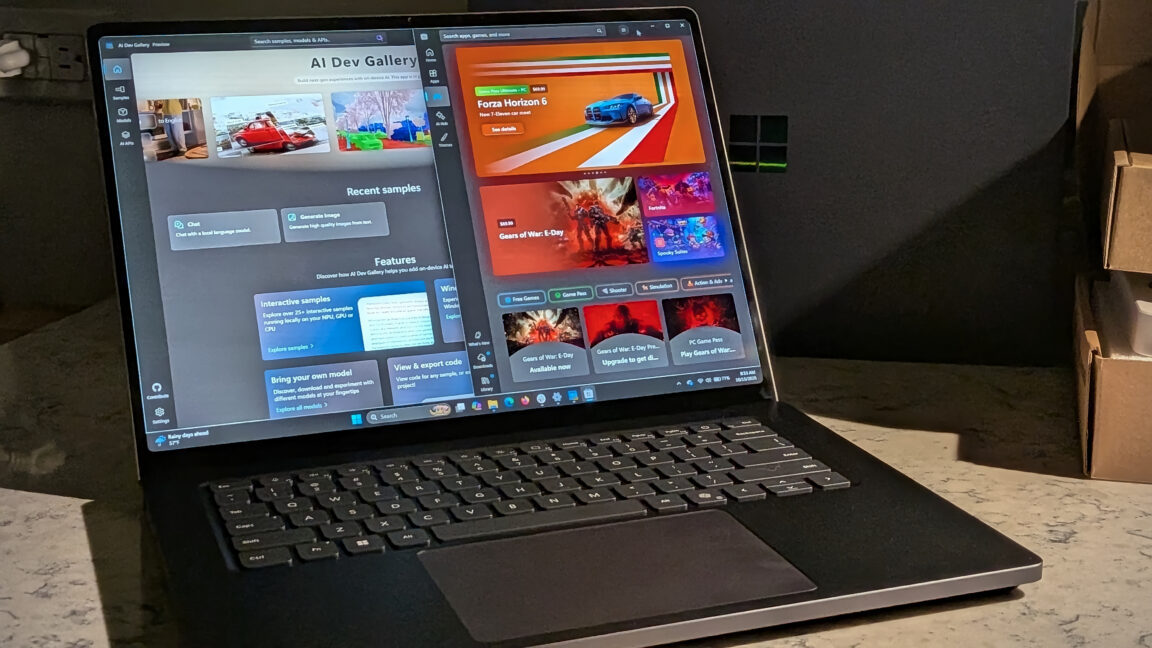
Microsoft's Surface Laptop Ultra, using Nvidia's RTX Spark platform, starts at $2,599 (up to $5,899)
Meta's new commercial terms, effective October 30th, appear to let it crawl and train AI on content from websi…
Vercel data published Thursday shows TypeSafe AI's Jev, a lightweight decision model for choosing among predet…

Reflection AI introduced Beam, an open-weight model for agentic coding and long-horizon tasks, with 501 billio…