What happened
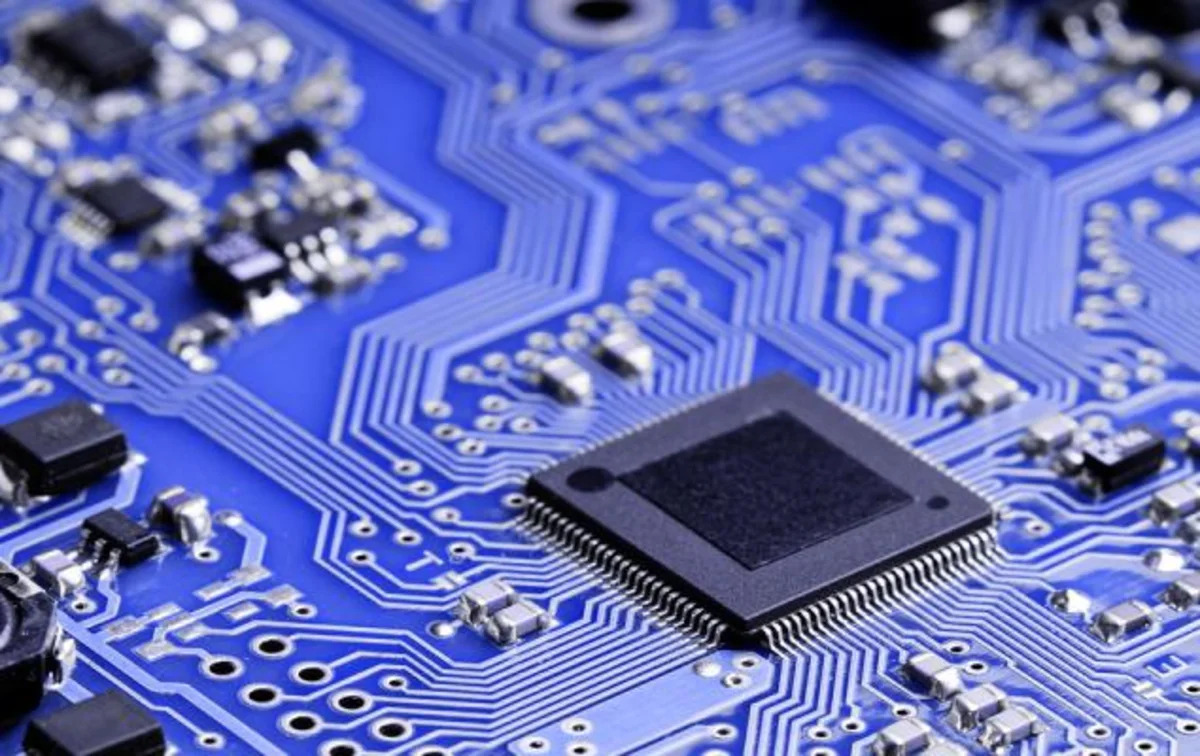
SK Hynix holds ~55% of the High Bandwidth Memory (HBM) market and is the leading memory supplier for AI hardware providers like NVIDIA. It broke ground on August 27th on a $4B HBM facility in West Lafayette, Indiana, with mass production of next-gen HBM targeted for late 2029.
Why it matters
With only a few global memory giants (Samsung, Micron), SK Hynix leverages pricing power to gross profit margins of 70%+. In 2025, its earnings per share more than doubled and annual revenue jumped 42% year-over-year, driven by insatiable demand from AI data centers.
What to watch
The Indiana project is backed by ~$458M in CHIPS Act funding and $500M in loans. NVIDIA, a key customer, reported $1 billion in daily revenue and is projected to grow in the high double-digits through 2028, suggesting sustained demand.
Summaries like this, in your inbox every morning.
SK Hynix's story is a classic supply-chain leverage play. The company sits at the critical junction of AI hardware: its High Bandwidth Memory (HBM) chips are stacked vertically and placed next to GPUs, enabling faster AI training and inference. With only a handful of global competitors, SK Hynix has pricing power reflected in 70%+ gross margins, and 2025 results (earnings per share more than doubled, revenue up 42%) show the payoff.
The company's move to build a $4B facility in Indiana, with government backing, aligns with U.S. efforts to bring complex chip manufacturing onshore amid trade tensions. This expansion suggests SK Hynix expects demand to remain robust for years, especially as NVIDIA's own growth outlook points to high double-digit expansion through 2028. However, the timeline—mass production targeted for late 2029—means the plant's contribution is years away, and near-term supply will still rely on existing capacity. Investors watching SK Hynix will need to monitor both its ability to maintain technological leadership in HBM and the execution of its U.S. expansion.
Pick your industry and the AI tools you use, and get news related to your work every day.
Free · 30 seconds with Google · unsubscribe anytimeWhat is AIToday? →
Ask AI anything about this article. The AI reads this article, earlier AIToday articles, and Wikipedia, and cites its sources. Q&As are published on this page for other readers too.
At the Smarsh EDGE event, Smarsh Inc
The Nasdaq Composite slid 2.6% to 26,008.86, its biggest one-day percentage drop since June 5

SpaceX's $40 billion debt raise, led by Apollo and Goldman Sachs, is expected to price its lowest-rated portio…

Vanguard's Jing Wang, who leads its Center for AI & Insights, is leading an EmTech Future session on building…
Meta removed "train" from business terms effective October 30th after publisher backlash, but experts tell Nie…
OpenAI's Decisions API became available to all customers on Thursday, after being announced at its developer d…