AIToday

Humanoid robots shift AI compute to the edge, away from cloud

DIGITIMES Asia20h ago
Humanoid robots shift AI compute to the edge, away from cloud

Key takeaway

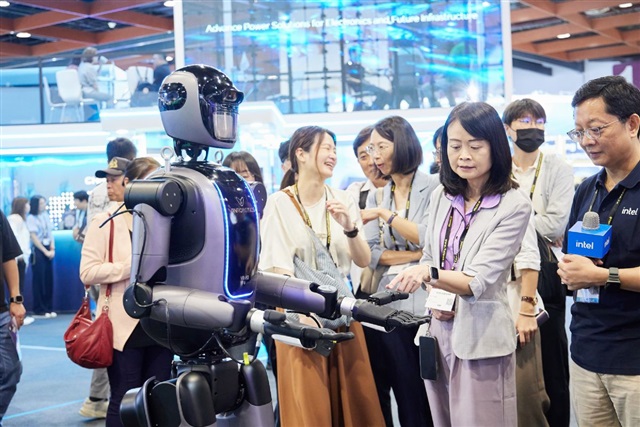
The humanoid robot industry is adopting a 'big brain, small brain' architecture that moves artificial intelligence computation from cloud servers to edge devices embedded in robots themselves—including their hands, feet, and other endpoints. This shift allows robots to process information closer to where they act, reducing reliance on distant cloud infrastructure.

Summaries like this, in your inbox every morning.

Sign up free →

3 Key Points

  • What happened

    The humanoid robot industry is converging on a 'big brain, small brain' architecture, moving AI compute from the cloud to edge devices and endpoints like hands and feet.

  • Why it matters

    This shift distributes processing closer to where robots act, potentially reducing latency and cloud dependency—a structural change in how robot intelligence is deployed.

  • What to watch

    DIGITIMES Intelligence predicts Nvidia's CUDA will remain dominant in this new architecture, though the article does not specify a timeline or further details on adoption.

In Depth

The humanoid robot industry is undergoing a significant architectural shift in how it deploys artificial intelligence. Rather than centralizing all compute in remote cloud servers, companies are adopting what is known as a 'big brain, small brain' architecture, which distributes processing across multiple layers: a centralized AI system (the 'big brain'), plus local compute embedded throughout the robot—in its hands, feet, and other endpoints (the 'small brains'). This movement reflects a broader industry trend toward edge computing, where data processing happens closer to where sensors collect information and where actions occur, rather than sending everything to distant data centers. DIGITIMES Intelligence forecasts that despite this architectural reorganization, Nvidia's CUDA—the dominant software platform for AI workloads—will maintain its competitive position across both centralized and edge deployments. The shift does not represent a wholesale technology replacement, but rather a reimagining of where existing AI infrastructure runs within the robot ecosystem.

Context & Analysis

The humanoid robot industry faces a fundamental redesign of how it distributes intelligence. Traditionally, robots relied heavily on cloud-based AI services for decision-making and perception—a model that introduces latency and dependency on network availability. The emerging 'big brain, small brain' architecture breaks this pattern by embedding computation directly into robot hardware at multiple levels: a centralized system for complex reasoning, and local processors in limbs and sensors for immediate responses. This approach mirrors the broader edge-AI movement across other sectors, where processing power migrates closer to data sources and actions. DIGITIMES Intelligence's prediction that Nvidia's CUDA will maintain dominance suggests the shift, while structural, will not disrupt the dominant software platform—indicating that the architectural change is less about replacing existing tools and more about redistributing where those tools run.

FAQ

What is a 'big brain, small brain' architecture?
It is a three-tier system where AI compute is distributed: some processing stays centralized (the 'big brain'), while other computation moves to edge devices and robot endpoints like hands and feet (the 'small brains').
Why is this shift happening in humanoid robots?
The article states the industry is converging on this model but does not explain the specific drivers; it only notes that AI compute is moving from cloud to edge and endpoints.

Get the latest Robotics news every morning

AI-summarized, only the topics you pick — one digest a day via Email, Slack, or Discord.

Free · takes 30 seconds · unsubscribe anytime

Discussion

No comments yet. Be the first to share your thoughts!

Log in to join the discussion

Related Articles

Stay ahead with AI news

Get curated AI news from 200+ sources delivered daily to your inbox. Free to use.

Get Started Free

Free · takes 30 seconds · unsubscribe anytime

1 minute a day. The AI essentials.

200+ sources · Email / LINE / Slack

Get it free →