What happened
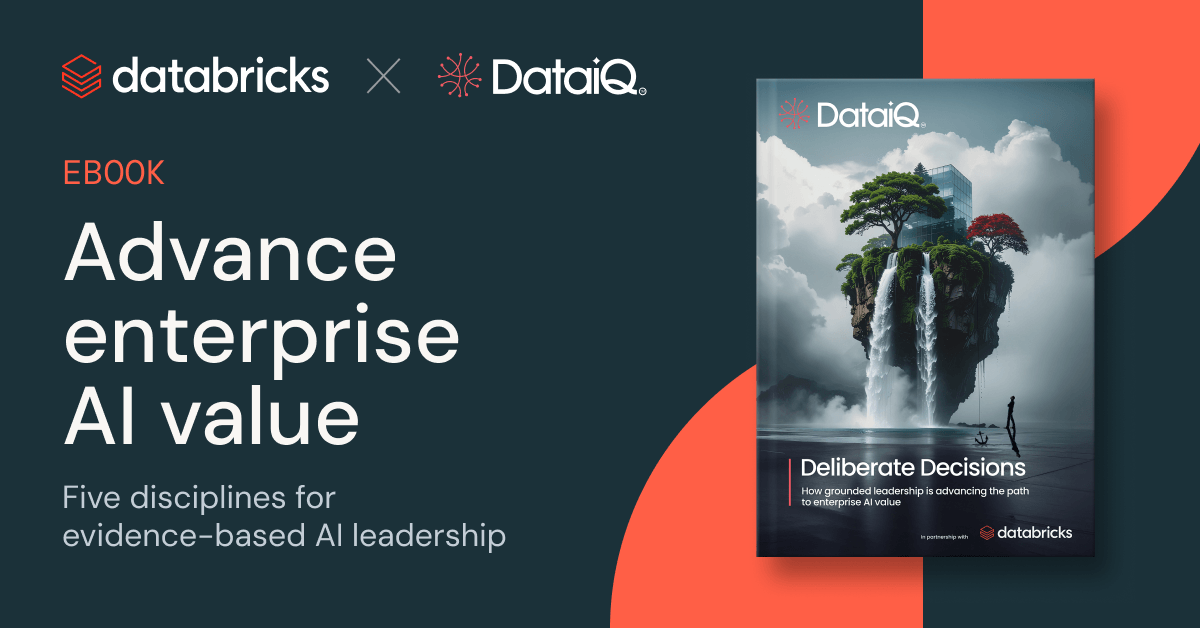
A DataIQ report with Databricks, built on two days of peer discussion at DataIQ Guild 2026, names five leadership disciplines and four foundations — context, control, cost and choice — for enterprise AI decisions.
Why it matters
The report argues a successful pilot is not the same as production readiness, since support, governance, skills, monitoring and cost only become visible once AI enters a live workflow.
Summaries like this, every morning.
The report sits against a backdrop the body describes as rising expectations and spreading experimentation, with organizations under pressure to show meaningful returns. Early AI success, it notes, can raise expectations faster than an organization can absorb, and pilots can multiply before teams have the capacity to assess, govern and support them.
The leadership disciplines that emerged from the DataIQ Guild 2026 discussions are presented as an alternative to two extremes: slowing down until everything is certain, or committing to every promising use case. The body frames the goal as deliberate, evidence-based choices that preserve the ability to adapt, and it ties that to the four foundations of context, control, cost and choice, reflected in Databricks capabilities such as Lakebase and Genie.
Quoted practitioners point at the practical edges of the problem. Thomas Gebetsroither of Axpo Trading & Sales warns that security, support, adoption, governance and the operating model around a tool can leave a business case incomplete if those costs are invisible. Gavin Goodland of National Grid notes that not every investment needs to pay back the same way, and Bharathi Rajan of Swire Coca-Cola says prioritized use cases need a business accountable for impact on the long-range plan.
Pick your industry and the AI tools you use, and get news related to your work every day.
Free · 30 seconds with Google · unsubscribe anytimeWhat is AIToday? →
Ask AI anything about this article. The AI reads this article, earlier AIToday articles, and Wikipedia, and cites its sources. Q&As are published on this page for other readers too.
Tesla rose 7.4% this week, according to MarketSurge, standing out as other Magnificent Seven AI stocks sold of…
Anthropic's public filing showed little on forthcoming revenues after sales decelerated from the second to the…

The Financial Times reported Spotify aims to launch a paid AI remix and cover service in Q1 2027, possibly aro…

John Ternus becomes Apple's third CEO since 1997 on September 1, following Tim Cook's 15 years at the helm; he…
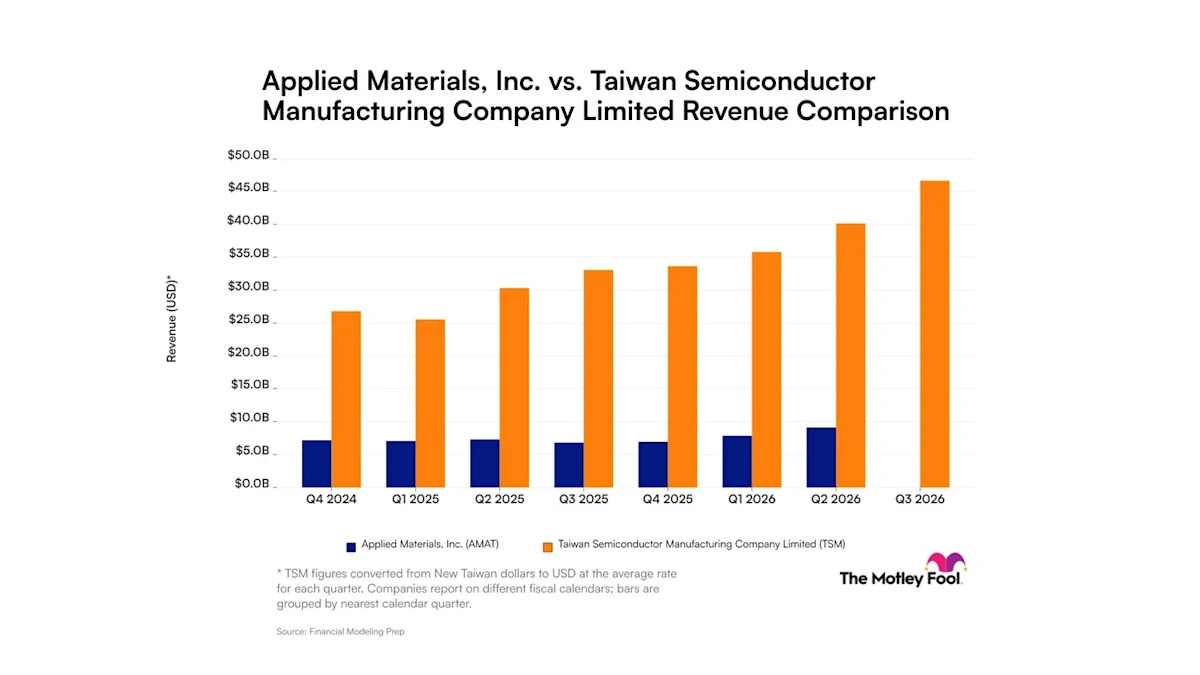
Applied Materials (NASDAQ:AMAT) shows a gradual revenue uptrend, while Taiwan Semiconductor Manufacturing (NYS…
Jeetu Patel handed Padmanabhan Krishnamurthy—who joined via Cisco's EzDubs acquisition—unlimited tokens and fo…