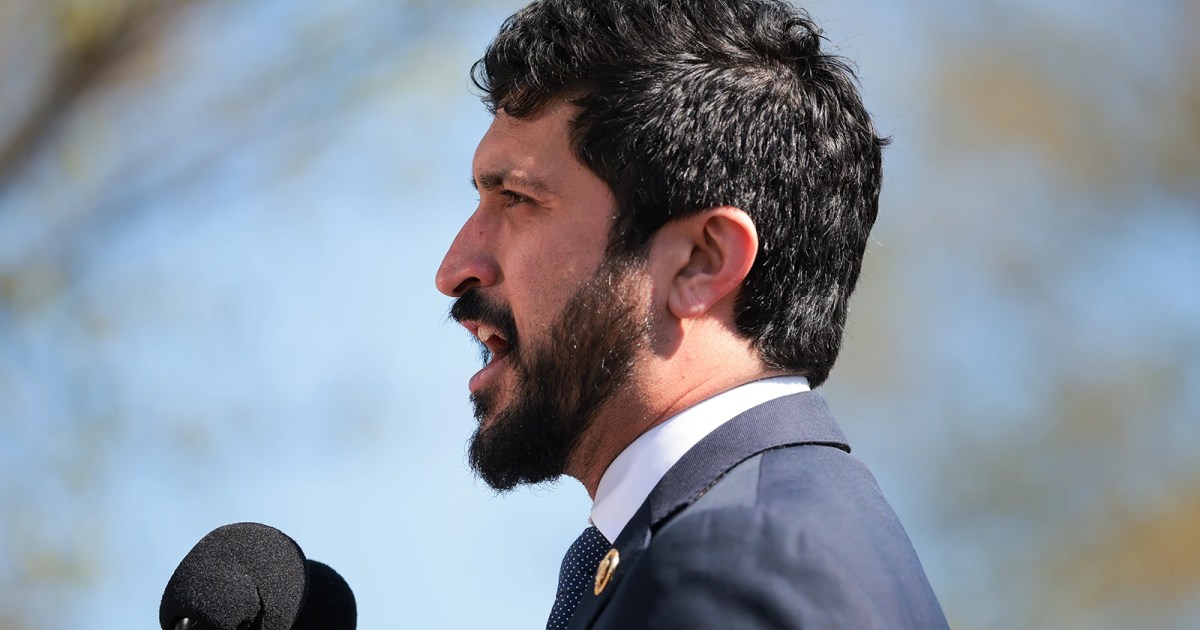
A leading House progressive is urging Democrats to refuse campaign donations from AI billionaires and pro-AI groups, arguing it would help the party take a clear stance on AI regulation—a potential defining issue for the 2028 election.
Rep.
Greg Casar predicts that OpenAI's CEO could become as politically toxic to Democrats as Elon Musk is today, and he introduced legislation to tax AI companies and fund job-creation programs to address potential layoffs from automation.
What happened
Rep. Greg Casar of Texas, chairman of the Congressional Progressive Caucus, is calling on Democratic presidential candidates to refuse donations from AI billionaires and the pro-AI super PAC Leading the Future, arguing it would let Democrats contrast sharply with Republicans on AI regulation ahead of the 2028 election.
Why it matters
Casar predicts that by 2028, OpenAI CEO Sam Altman could become as controversial to Democrats as Elon Musk is today, and that rejecting AI industry money would align Democrats with the 75% of Americans who support AI regulation. He also introduced a bill to tax AI companies and fund job-creation initiatives to offset potential mass layoffs.
What to watch
Leading the Future and its affiliates had raised more than $76.5 million as of the end of June 2026 and spent tens of millions in electoral contests; OpenSecrets' director calls this year's AI spending a "prelude" to 2028. A Gallup survey found 39% of U.S. adults believe AI does more harm than good.
Ask the AI about this article →
Rep. Greg Casar's call for Democrats to shun AI industry donations reflects a broader concern emerging among progressives about the concentration of wealth and influence in the AI sector during a period of rapid technological change. The Congressional Progressive Caucus chairman frames this as a defining issue for the 2028 election, positioning AI regulation—and by extension, protection of workers vulnerable to automation—as a key differentiator between the parties. His comments come as federal policymakers on both sides are actively sorting through new regulatory frameworks for the AI industry.
Casar's argument that rejecting AI money could strengthen Democrats' political hand rests on his reading of public opinion: 75% of Americans favor sensible AI regulations, according to his framing, and recent Gallup data shows 39% believe AI does more harm than good. He positions the issue as analogous to past divides within the Democratic Party—specifically crypto—where he believes "big money" divided the party and confused its messaging. By contrast, he suggests a unified, hardline stance on AI could resonate with voters and distinguish the party from Republicans, particularly from potential candidate JD Vance, whom he calls vulnerable on the issue given Vance's venture capital background and past statements downplaying AI's job displacement risk.
The financial scale of AI political spending is substantial: Leading the Future and its affiliates had raised more than $76.5 million as of the end of June 2026, with OpenSecrets characterizing 2026 spending as a "prelude" to what may come in 2028. Casar's prediction that OpenAI CEO Sam Altman could become "as big a villain to Democrats as Elon Musk is today" suggests he believes the political dynamics around AI could shift sharply if high-profile job losses materialize in the next two years.
For example, today's edition would include:
AI-summarized, only the topics you pick — one digest a day via Email, Slack, or Discord.
Free · takes 30 seconds · unsubscribe anytimeWhat is AIToday? →
Ask AI anything about this article. Q&As are published on this page for other readers too.
Israeli startup DataAgent Ltd
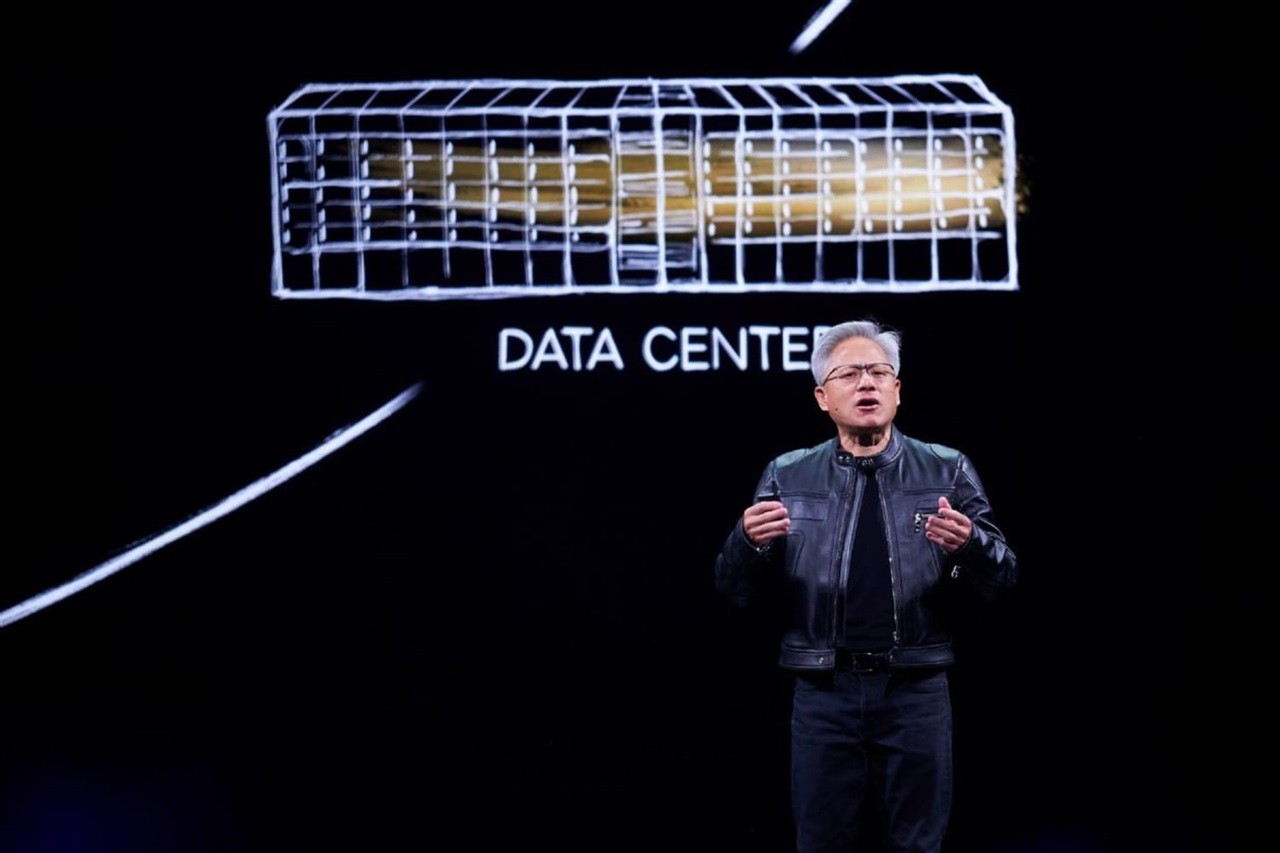
Taoyuan is positioning itself as a northern hub for AI data centers (AIDC), citing the Tatan area and an LNG c…
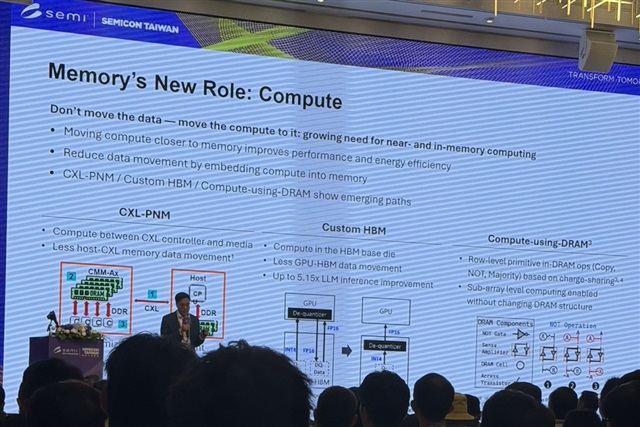
SK Hynix presented a custom HBM concept at SEMICON Taiwan 2026, where compute functions are placed in the base…
The U.S. Department of Defense announced on August 31 that it has deployed ChatGPT Mil, a customized version o…

Nvidia reported earnings that were both remarkable and boring, reflecting its focus on avoiding a consolidated…

Anthropic has agreed to a $35bn cloud-computing contract with Lambda, a Nvidia-backed cloud provider