OpenAI released three new voice models through its Realtime API: GPT-Realtime-2 (a voice model built with GPT-5-class reasoning for handling complex requests), GPT-Realtime-Translate (real-time translation supporting more than 70 input languages and 13 output languages), and GPT-Realtime-Whisper (live speech-to-text capabilities).
GPT-Realtime-2 differs from its predecessor GPT-Realtime-1.5 by incorporating GPT-5-class reasoning. Translate and Whisper are billed by the minute, while GPT-Realtime-2 is billed by token consumption.
OpenAI built guardrails into the system so that conversations can be halted if detected as violating its harmful content guidelines, designed to prevent misuse for spam, fraud, or online abuse. The company notes the features are intended for customer service, education, media, events, and creator platforms.
Ask the AI about this article →
For example, today's edition would include:
AI-summarized, only the topics you pick — one digest a day via Email, Slack, or Discord.
Free · takes 30 seconds · unsubscribe anytimeWhat is AIToday? →
Ask AI anything about this article. Q&As are published on this page for other readers too.
Goldman Sachs, Morgan Stanley and Citigroup are pressing elite law firms to lower fees, arguing AI is sharply…

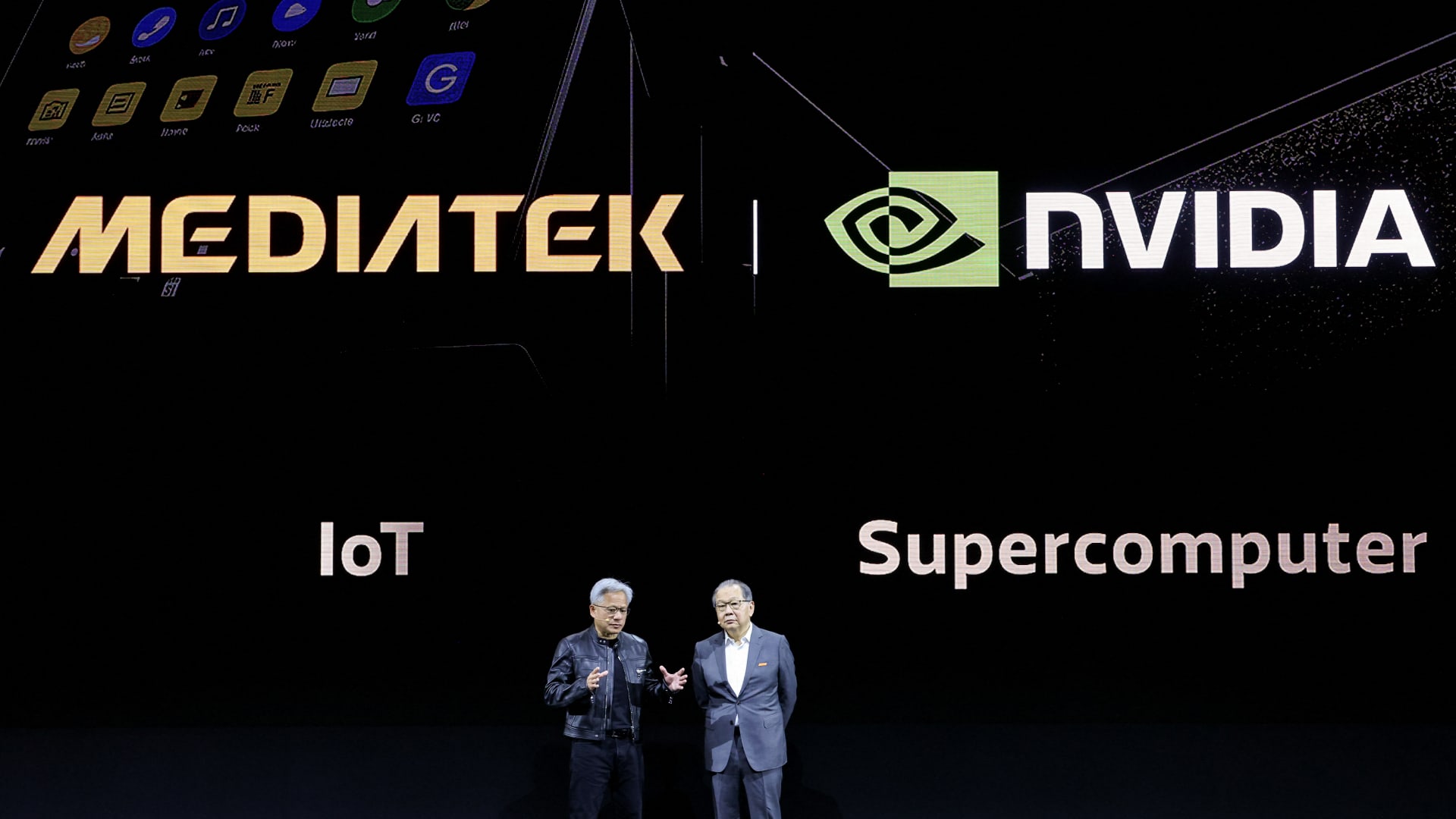
MediaTek shares closed 10% higher on Tuesday after the Taiwanese chip firm announced a partnership with Nvidia
GE Vernova (NYSE: GEV) announced on August 24, 2026, in Paris, a new medium-voltage uninterruptible power supp…

Dell raised its annual revenue outlook, citing strong sales of AI servers

Oracle (ORCL) stock is down 4% to $142.82 in Tuesday afternoon trading, after the 10-year Treasury yield climb…

Tesla's investments in AI startups lag far behind its Magnificent Seven peers