AIToday
The Verge AIPublished: Aug 3, 2026, 06:01 JST5 min read

Fender CEO's 'analog AI' bandmate comments deepen guitar community backlash

Fender CEO's 'analog AI' bandmate comments deepen guitar community backlash

Key takeaway

  • Fender CEO Edward Cole told a publication in May that cover songs and bandmates are essentially "analog AI," but the comments have only worsened the company's standing with guitarists already angry over cease-and-desist letters sent to guitar builders.

  • Cole's analogy conflates human creativity—which relies on unique emotional decisions, physical intuition, and lived experience—with AI models that ingest millions of copyrighted songs at scale, a comparison that ignores how artists actually develop mastery through repetition and failure rather than algorithmic shortcuts.

3 Key Points

  1. What happened

    Fender CEO Edward "Bud" Cole told T3 in May that cover songs and bandmates function as "analog AI," comparing human learning from other artists to how generative AI models train on data. The comments have resurfaced and inflamed an already angry guitar community upset over Fender's cease-and-desist letters to guitar builders over Stratocaster body shape copyright claims.

  2. Why it matters

    Cole's comparison misses a critical distinction: humans learning by playing covers or collaborating with bandmates make unique creative decisions driven by emotion, physical limitations, and life experience—none of which apply to AI models ingesting millions of songs at scale. The framing dismisses the humanity of artistry and contradicts the reality that skill-building requires repetition and failure, not algorithmic suggestion. For musicians already wary of AI, the CEO's remarks suggest the company doesn't respect the creative process.

  3. What to watch

    Some influential guitar YouTubers have said they will stop buying Fender gear over the cease-and-desist controversy. Fender did not immediately respond to requests for comment or clarification on Cole's statements.

In Depth

Read the full story

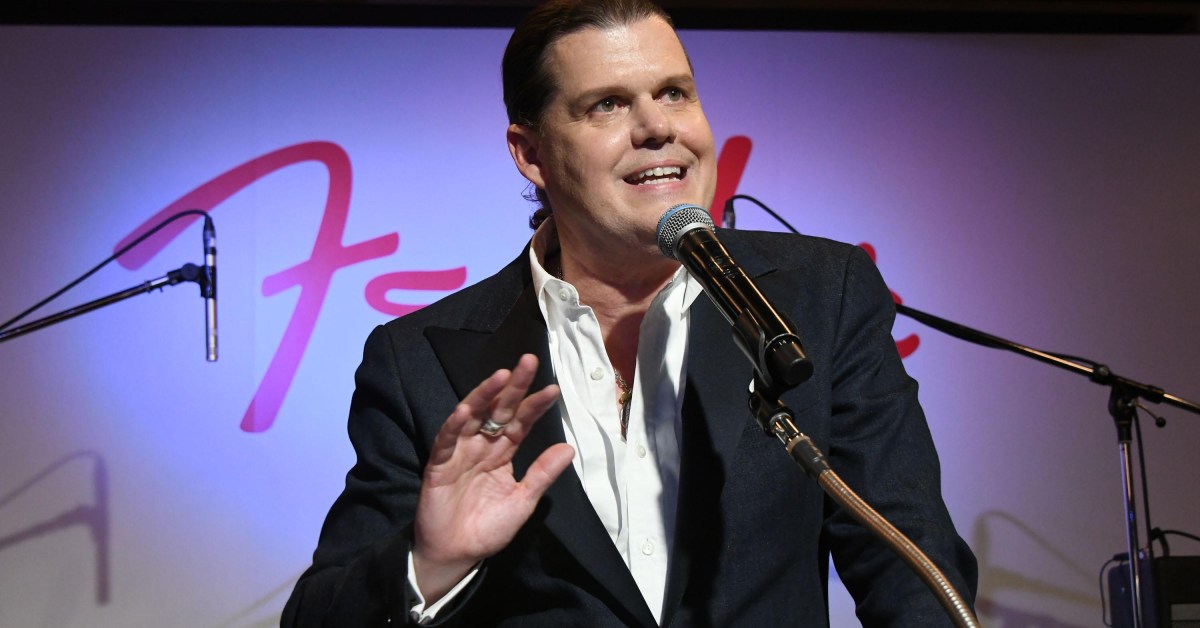
Fender CEO Edward "Bud" Cole gave an interview to T3 magazine in May to celebrate the 75th anniversary of the Telecaster, but his comments on AI and music have only recently resurfaced and intensified existing backlash against the company. Cole's remarks come at a particularly fraught moment: Fender has been sending cease-and-desist letters to guitar builders claiming copyright of the Stratocaster body shape—a move that has angered the guitar-building and playing community broadly, with some influential guitar YouTubers announcing they will no longer buy Fender products.

In the T3 interview, Cole articulated a philosophy that "AI has existed in music as long as there's been recorded music." He identified cover songs as a primary example of this "analog AI," arguing that musicians who play songs written by other artists are essentially doing what modern generative AI does. Cole pointed to his own experience: "I listened a lot to REM, U2, The Smiths and The Cure, and at some point I got sick of just listening to them. I wanted to play it, so I learned to play guitar." Beyond covers, Cole extended the analogy to bandmates. He suggested that when a musician brings a chorus or riff to a band and the drummer or bassist adds to it to create a song, the bandmates are functioning as a form of AI, performing the same collaborative role that generative AI could play. Cole went on to claim that "AI is actually going to help create a whole new world of guitar players that use it. To help connect with other musicians, to be more productive. And across the chasm into becoming a student of songwriting to a master of songwriting."

Cole's framing attempts to normalize AI in music by drawing equivalence between human learning and AI model training. However, the analogy collapses under scrutiny. Generative AI models like Suno train on suspected millions of songs, a dataset no human could absorb in a lifetime; human musicians, by contrast, internalize a small number of influences through physical practice and emotional connection. More fundamentally, human artistry involves countless tiny decisions—emotional responses to happy accidents, compensations for physical limitations, taste, and instinct—that flow from lived experience and consciousness. A bandmate, particularly one with formal training like a jazz-educated bassist, brings taste, judgment, and unique creative instincts shaped by their own background. An AI model, by contrast, generates output based on pattern-matching in its training data without consciousness, emotion, or the serendipity that comes from human physicality and error. As guitarist Samurai Guitarist noted, the tiny errors and physical quirks unique to each human player prevent perfect replication and create unexpected creative moments that an AI cannot replicate.

Cole's assertion that AI will help musicians leap "across the chasm" from student to master songwriter also contradicts evidence about skill development. Mastery in songwriting traditionally requires writing many bad songs before learning to recognize good work—a process of repetition, failure, and internalized judgment. Relying on AI-generated suggestions for rhymes or metaphors sidesteps this essential learning curve and may actually lead to deskilling rather than advancement. For a guitar community already anxious about AI's impact on artistry and already angry at Fender over copyright enforcement against builders, Cole's comments read as a failure to grasp or respect the creative process his own customers value. Fender did not immediately respond to requests for comment or clarification on the interview.

Context & Analysis

Fender is in the midst of a two-part crisis: first, the cease-and-desist letters sent to independent guitar builders, and now the resurfacing of CEO Cole's comments equating human musicianship with artificial intelligence. The timing is especially damaging because Cole's May interview to T3 sits at the intersection of two hot-button issues in the guitar world—copyright disputes and AI's encroachment on creative work—and his framing appears tone-deaf to both.

The core problem with Cole's "analog AI" analogy is one of scale and intentionality. When a guitarist learns a cover song, they internalize melody, harmony, and technique through physical practice and emotional connection to the music. A bandmate contributes lived experience, taste, and instinct shaped by their own training and artistic sensibility. Generative AI models, by contrast, operate on statistical patterns extracted from millions of songs without consciousness, emotion, or the physical and experiential constraints that shape human creativity. Cole seems to be suggesting these processes are equivalent, which collapses important distinctions that artists care deeply about. For a company already under fire for aggressive IP claims against builders, this framing reads as dismissive of the very creative labor the community values.

FAQ

What did Fender's CEO say about AI and music?
Cole told T3 that AI in music is nothing new, and compared cover songs to "analog AI"—saying musicians who learn by playing others' songs are doing what generative AI does. He also compared bandmates to a form of AI, suggesting that a drummer or bassist adding to a riff plays the same role as an AI collaborator.
Why is the guitar community upset with Fender right now?
Fender sent cease-and-desist letters to guitar builders claiming copyright of the Stratocaster body shape, prompting influential guitar YouTubers to say they will stop buying Fender gear in response.

Get AI news like this every morning

AI-summarized, only the topics you pick — one digest a day via Email, Slack, or Discord.

Free · takes 30 seconds · unsubscribe anytime

Ask AI

Ask AI anything about this article. Q&As are published on this page for other readers too.

Next articleSam Altman calls for AI development slowdown after agent hack

The AI news that matters, in one minute each morning.

Sign up free
