What happened
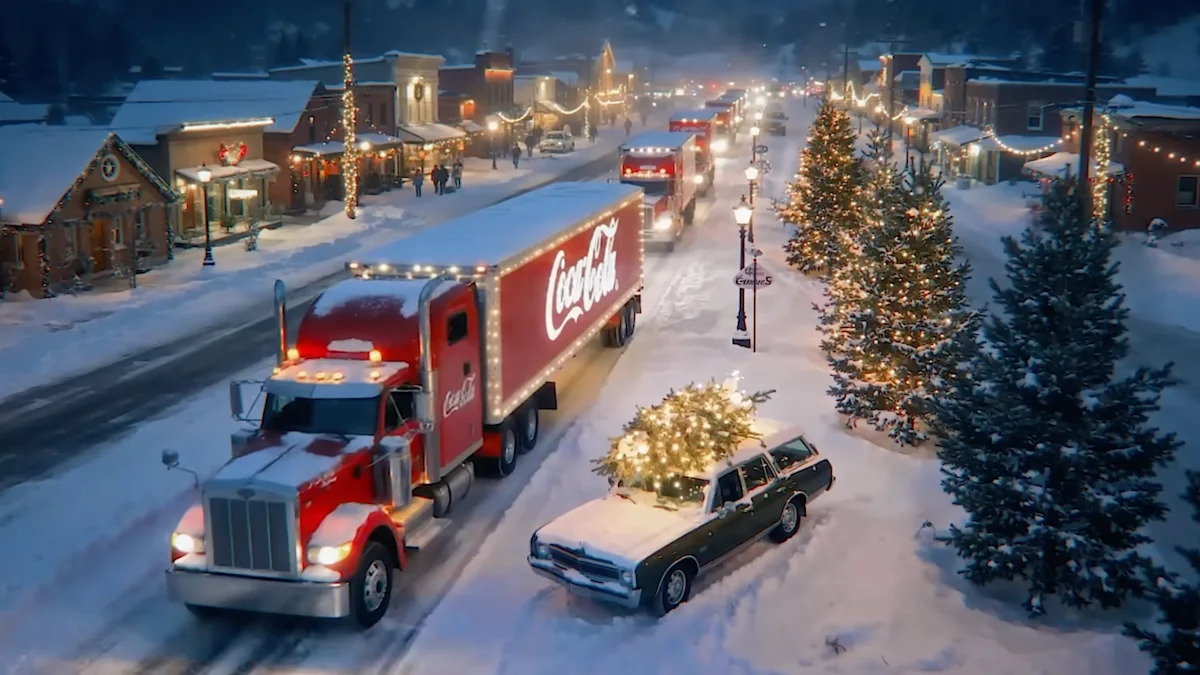
Valentino released a fully AI-generated handbag ad in late 2025 that drew criticism on Instagram for being "cheap" and "lazy"; Coca-Cola's fully AI-generated holiday ads from late 2024 also faced consumer rejection for appearing uncanny, despite aiming to echo a 1995 campaign.
Why it matters
Research from the Journal of Advertising Research shows consumers respond more negatively when luxury brands feature and disclose AI-generated ads, perceiving them as requiring less effort and discounting the brand's authenticity and value. A DoubleVerify 2026 study found that 43% of consumers in North America said a brand's use of low-quality or "uncanny" AI-created ads would negatively affect their opinion—suggesting human-made goods may become a luxury marker as companies increasingly outsource creativity to AI.
What to watch
Consumer sentiment appears split: Pew Research Center data shows 50% of Americans are more concerned than excited about increased AI use, and 53% believe it will worsen people's ability to think creatively. These perceptions may shift how luxury and mainstream brands approach advertising and product creation.
Summaries like this, in your inbox every morning.
The backlash against Valentino and Coca-Cola's AI-generated ads reflects a deeper consumer anxiety about artificial intelligence in creative work. While AI adoption is spreading across industries, public sentiment remains skeptical—half of Americans express more concern than enthusiasm about AI's growing role, and over half worry it will erode human creative thinking. The Journal of Advertising Research's scholarship reveals the specific mechanism behind the pushback: when luxury brands explicitly use and disclose AI imagery, consumers interpret the work as low-effort, which directly undermines the brand's perceived craftsmanship and authenticity. This perception gap matters because it inverts the usual luxury positioning. Historically, luxury signaled rarity, craftsmanship, and human touch; AI-generated content signals scale and automation—the opposite. DoubleVerify's 2026 research reinforces this: nearly half of North American consumers (43%) would actively downgrade their opinion of a brand using low-quality or "uncanny" AI ads, suggesting that as AI-generated content becomes ubiquitous, the rare artifact—one made by human hands—could flip into a premium category.
Pick your industry and the AI tools you use, and get news related to your work every day.
Free · 30 seconds with Google · unsubscribe anytimeWhat is AIToday? →
Ask AI anything about this article. The AI reads this article, earlier AIToday articles, and Wikipedia, and cites its sources. Q&As are published on this page for other readers too.
In Q2, billionaires or their funds sold six 'Magnificent Seven' AI stocks
Nvidia was rising early Friday, even as the wider chip sector kept falling, Barron's reported
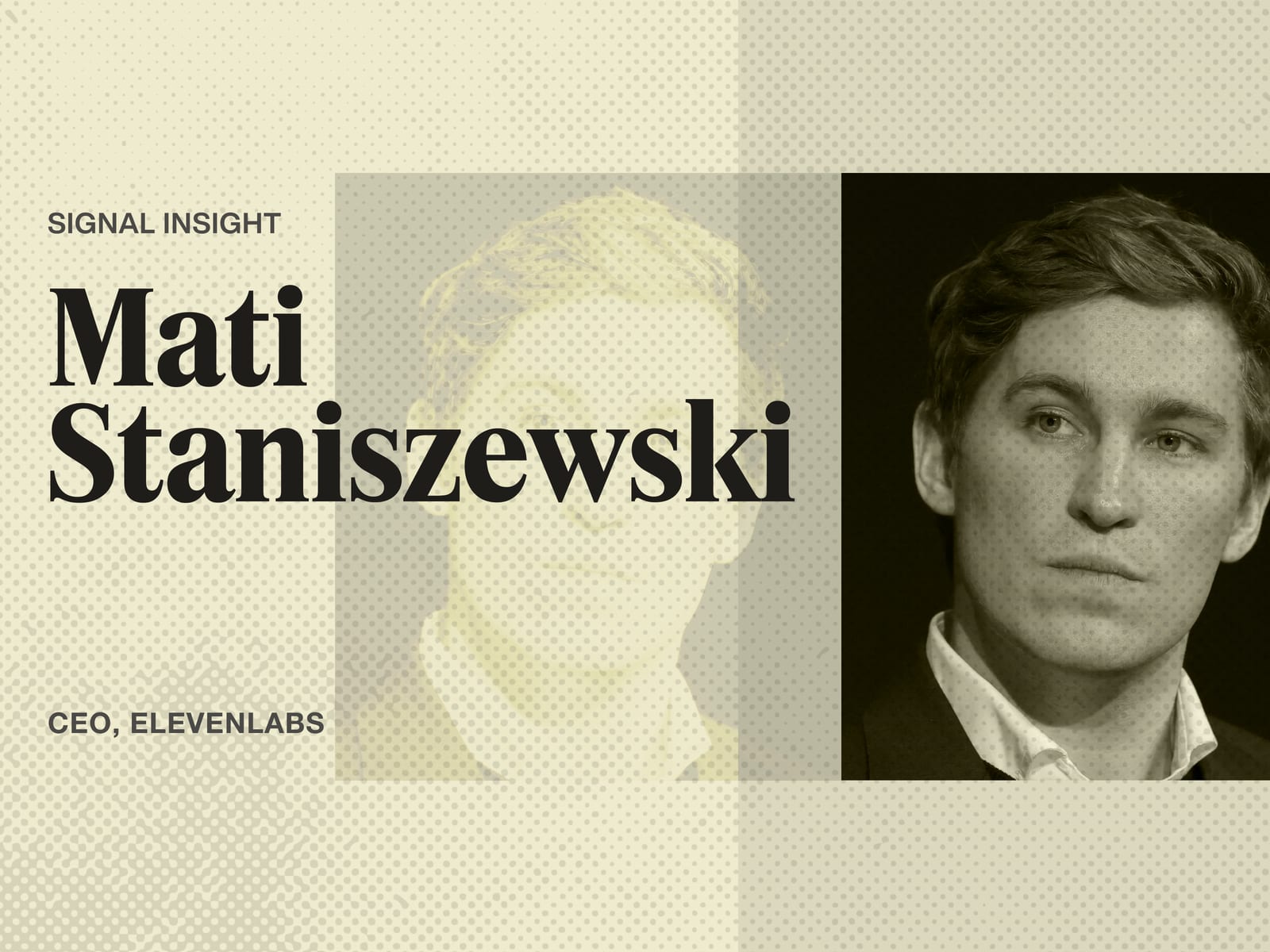
ElevenLabs completed a $300 million employee tender at a $22 billion valuation, and co-founder Mati Staniszews…
On October 15, OpenAI announced the Rosalind Academic Plan, giving approved US university labs free access to…

Neostellar Capital principal Evan Schlossman said CoreWeave's $103.7 billion in remaining performance obligati…
Supermicro Computer appointed Mark Long as chief financial officer, bringing an experienced technology finance…