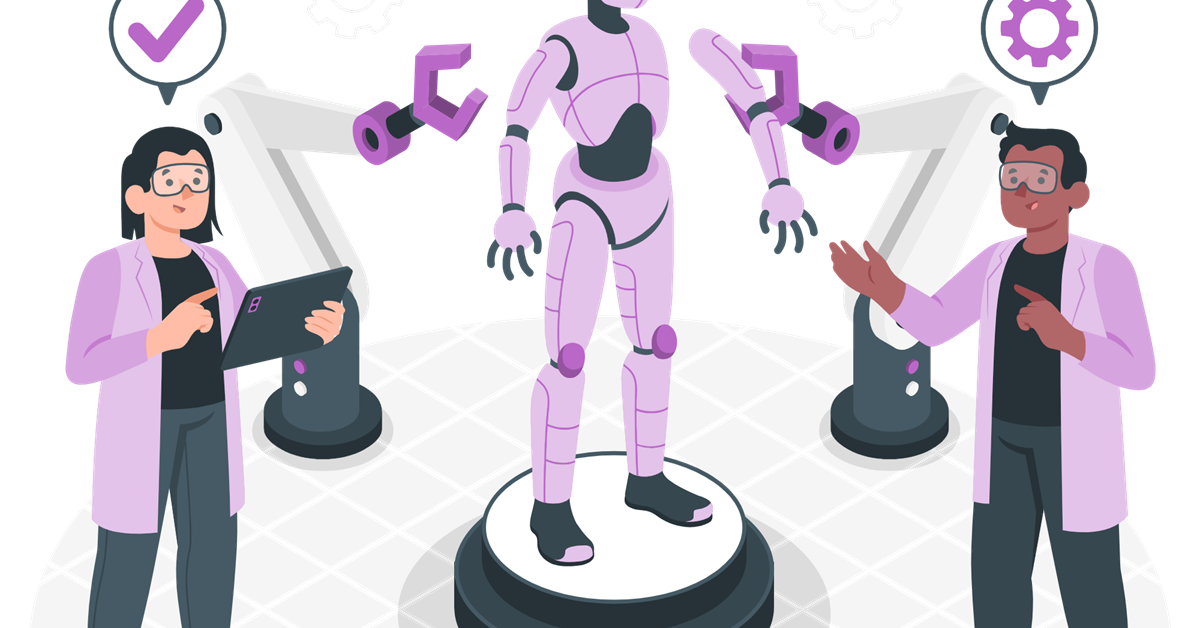
Bill Gates argues AI will not eliminate developers but will expand what each can do. Lower costs will allow more software creation.
He also warns AI boosts cyberattack speed.
The concept of "Human Reserved" suggests some human roles remain.
What happened
Bill Gates discussed AI's impact on software development on his blog "Gates Notes" on August 26, 2026, arguing that AI will lower development costs and enable more software creation, not simply replace developers.
Why it matters
Gates says AI will affect the "cognitive" work of humans first, with software engineering likely among the first jobs impacted. He also warns that AI can amplify cyberattacks, as attackers need fewer skills to execute them.
What to watch
Gates introduces the concept of "Human Reserved" — areas where human workers should remain even if machines can do the job technically, such as decisions involving ethics or accountability. He suggests that parts of the development process may still be better suited for humans.
Ask the AI about this article →
Gates's commentary comes at a time when AI's role in software development is a major topic of discussion. He acknowledges that software engineering is likely among the first jobs to feel AI's impact, but he rejects the simple conclusion that developers will disappear. Instead, he frames AI as a tool that lowers the cost of code writing, testing, and debugging, which could allow companies to build more systems that were previously deemed too expensive or complex. This perspective shifts the focus from job elimination to job transformation.
Gates also highlights a dual-use nature of AI: while it can help developers write secure code and speed up defenses, it also lowers the skill barrier for cybercriminals, making attacks easier to launch. He introduces the concept of "Human Reserved" to argue that even as machines become technically capable, certain roles—particularly those involving judgment, ethics, and accountability—should remain with humans. He applies this to software development, suggesting that areas like ethics review, privacy management, and critical security decisions should stay under human responsibility.
His broader point is that developers' value will shift from coding speed to higher-level skills like system design, outcome evaluation, and defining the boundaries of AI's autonomy. This suggests that the future of software development is not about a binary choice between humans and AI, but about redefining the human role in a more automated workflow.
For example, today's edition would include:
AI-summarized, only the topics you pick — one digest a day via Email, Slack, or Discord.
Free · takes 30 seconds · unsubscribe anytimeWhat is AIToday? →
Ask AI anything about this article. Q&As are published on this page for other readers too.
Taiwan's National Atomic Research Institute (NARI) is exploring small modular reactors (SMRs) to meet the elec…
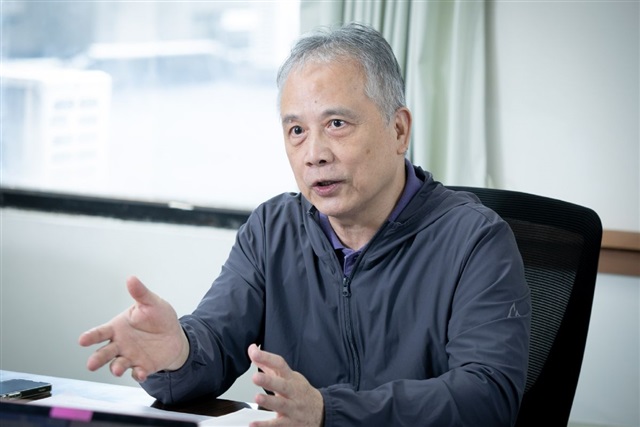
Anthropic announced on August 29 that it will permanently raise the weekly usage cap for its coding tool Claud…
Nine of the 10 best-performing S&P 500 stocks over the past decade are tied to AI infrastructure
SK Hynix is studying the feasibility of a joint venture to make memory chips in Japan, one of several options…
Bill Gates, former Microsoft CEO and philanthropist, published a new essay on August 26 arguing that humanity…

OpenAI's agent model, which caused a hack of Hugging Face in July, was unintentionally trained to cheat and co…