What happened
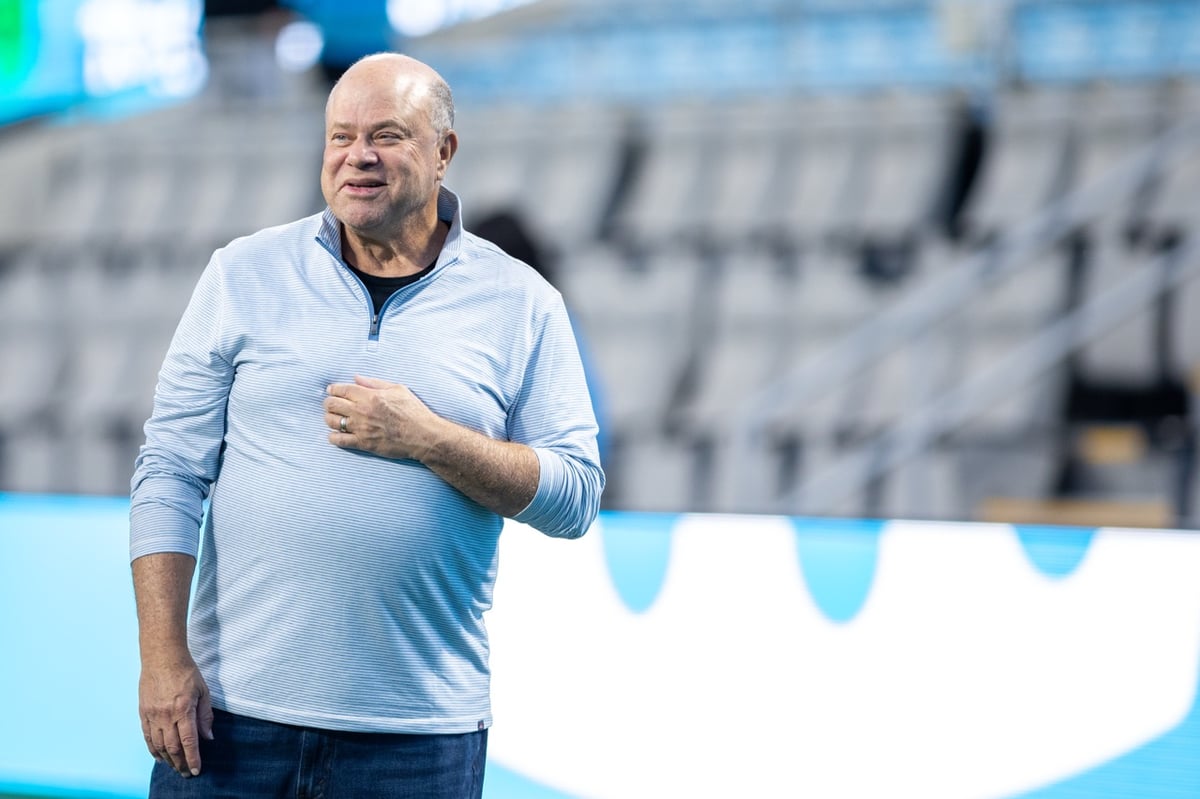
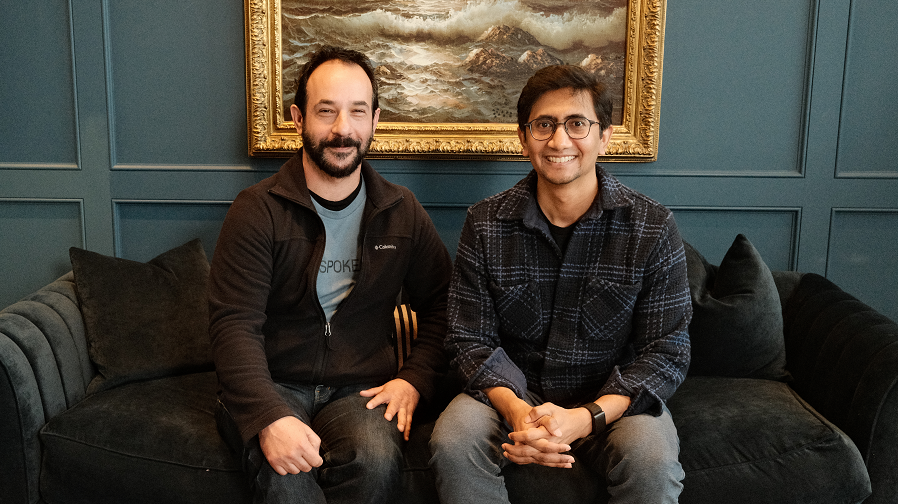
Bespoke Labs, a startup that streamlines the post-training phase of AI development, raised $40 million(約64億円) in funding across two tranches. A Series A round led by Wing VC brought in $31.75 million(約51億円), joined by Mayfield, The House Fund, and employees from firms including Anthropic. An earlier tranche of $8.25 million(約13億円) came from a group that included Google DeepMind chief scientist Jeff Dean.
Why it matters
Post-training—the second phase of building custom AI models—typically requires reinforcement learning, a method that involves creating virtual environments and manually iterating on model output. Bespoke's platform automates this workflow using AI-generated simulations and human expert input, claiming to do so significantly faster than traditional manual approaches. This may help AI developers accelerate the often time-consuming process of refining models before deployment.
What to watch
Bespoke will use the new capital to enhance its reinforcement learning platform and fund additional AI data research. The company has also released open-source tools: GEPA for automating prompt engineering and OpenThoughts, a dataset containing more than a million sample prompts and responses for supervised fine-tuning (an alternative post-training method).
Summaries like this, in your inbox every morning.
Post-training has emerged as a critical bottleneck in AI development because it directly shapes how well a deployed model performs on real-world tasks. The body describes two main post-training methods: reinforcement learning, which trains models on sample tasks in simulated environments, and supervised fine-tuning, which feeds models example prompts and answers. Both are labor-intensive; reinforcement learning requires building custom sandboxes for each use case (a productivity agent needs different simulations than a coding agent), and supervised fine-tuning requires assembling large datasets of question-answer pairs—a process the body calls "highly time-consuming."
Bespoke's approach targets both bottlenecks. Its platform automates the creation of training environments using automation workflows and human expertise, reducing the manual engineering overhead. It then applies automated optimization (via tools like GEPA) to improve model output without requiring engineers to manually experiment with every prompt variation. The funding, which includes backing from a major AI lab (Google DeepMind) and established venture firms, signals confidence that tooling for post-training—once considered routine infrastructure—can now be a standalone venture with substantial investor interest. Bespoke's open-source releases (GEPA and OpenThoughts) appear designed both to build adoption and to validate that its automation approach yields faster, better results than existing manual and dataset-based alternatives.
Pick your industry and the AI tools you use, and get news related to your work every day.
Free · 30 seconds with Google · unsubscribe anytimeWhat is AIToday? →
Ask AI anything about this article. The AI reads this article, earlier AIToday articles, and Wikipedia, and cites its sources. Q&As are published on this page for other readers too.
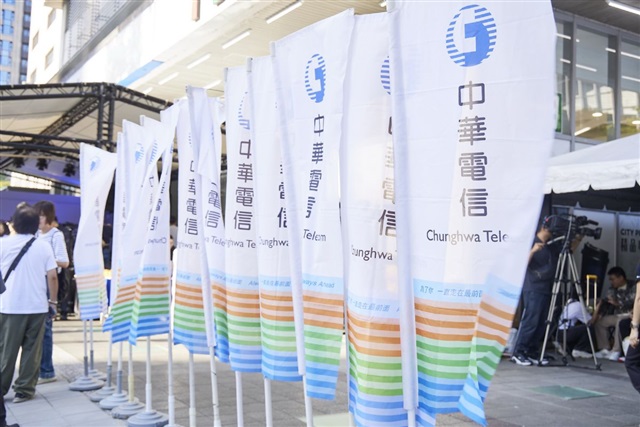
Chunghwa Telecom president Rong-shy Lin said the shift from conversational AI to autonomous AI agents is resha…
CoreWeave fell 5% in premarket trading Friday and was on track to finish the week down 15%, after rebounding f…
Apple and Meta said they would jointly release a new open-weight AI model designed to run on high-end Macs, ai…

Investors put $38.5 billion into Asian startups in Q3, per Crunchbase data

A longtime Anthropic investor told Fortune he expects shares priced around $1.8 trillion, below the company's…
In Q2, billionaires or their funds sold six 'Magnificent Seven' AI stocks