What happened
At JIMTOF2026, GRIPS professor Junko Nishigaki and Yamazaki Mazak executive Yosuke Sawada said the competition focus is moving from individual AI models to learning systems, and Mazak plans to deploy its AI agent in about two years.
Why it matters
Sawada said each factory's and machine's machining conditions are unique and lose value if standardized, so the learning loop built on a customer's own data, not a shared model, appears to be what protects competitiveness.
Summaries like this, every morning.
The discussion at JIMTOF2026, the 33rd Japan International Machine Tool Fair held at Tokyo Big Sight from October 26 to 31, 2026, framed AI adoption less as a model-building race than as a question of what happens after deployment. Nishigaki's example of HILLTOP in Uji, Kyoto, illustrates the order of operations she considers important: the company did not begin with AI but with work people find interesting, then assigned once-done tasks to machines and built AI into that cycle, which she said sped up the cycle of taking on new challenges and broadened learning.
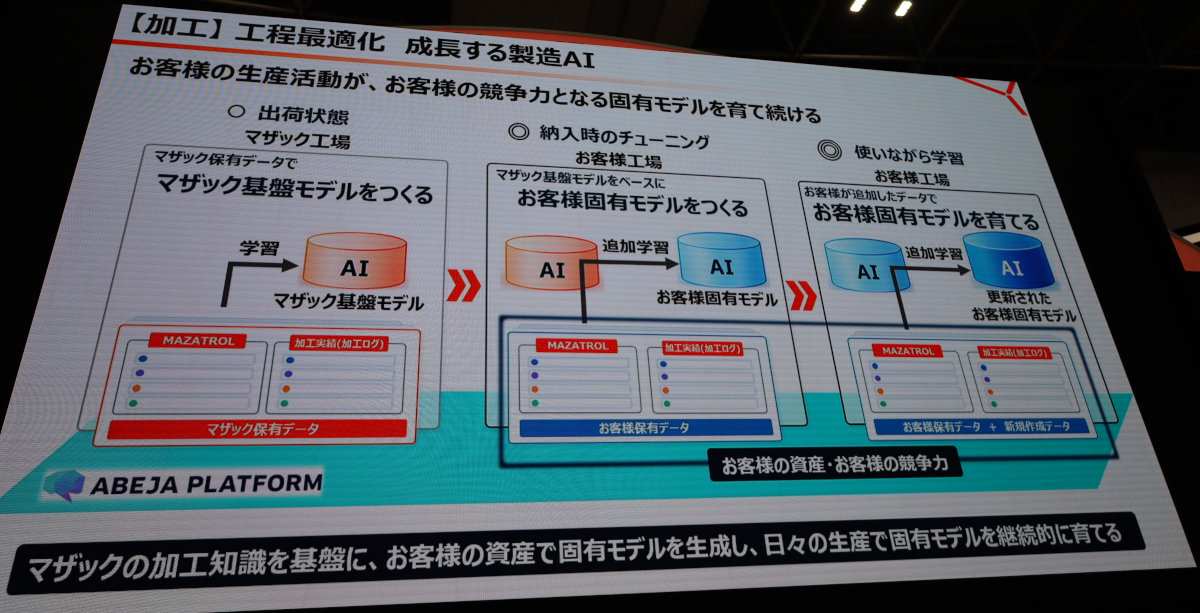
Sawada's account of Mazak's approach points to the same structure from the machine-tool side. Because the Mazatrol program keeps detailed records of what was machined and how, tacit shop-floor knowledge becomes explicit, and that machining content is each company's own asset. Mazak's stated plan is to prepare a Mazak base model trained in-house, tune it with customer data at delivery to form a base customer-specific model, and then let it keep learning in the factory.
The tension the two speakers address is that making tacit knowledge explicit could let rivals copy it. Sawada's answer is that machining conditions are specific to each factory, process and machine, so they do not transfer intact, and distinctive know-how loses value when leveled. On that reading, Nishigaki's five points for building a good learning system, from what to record and how to keep learning to who owns the knowledge and how far to connect it, describe the practical ground on which that edge is defended.
Pick your industry and the AI tools you use, and get news related to your work every day.
Free · 30 seconds with Google · unsubscribe anytimeWhat is AIToday? →
Ask AI anything about this article. The AI reads this article, earlier AIToday articles, and Wikipedia, and cites its sources. Q&As are published on this page for other readers too.
W.E.'s Conversion UP began distributing service materials on November 25, 2026 for three plans covering landin…

Epochal AI Inc. launched with $100 million in funding from CEO Guodong Zhang and debuted the Epochal Time Port…

MediaTek announced on November 24 that 17 of its papers were selected in 2026 for presentation or publication…
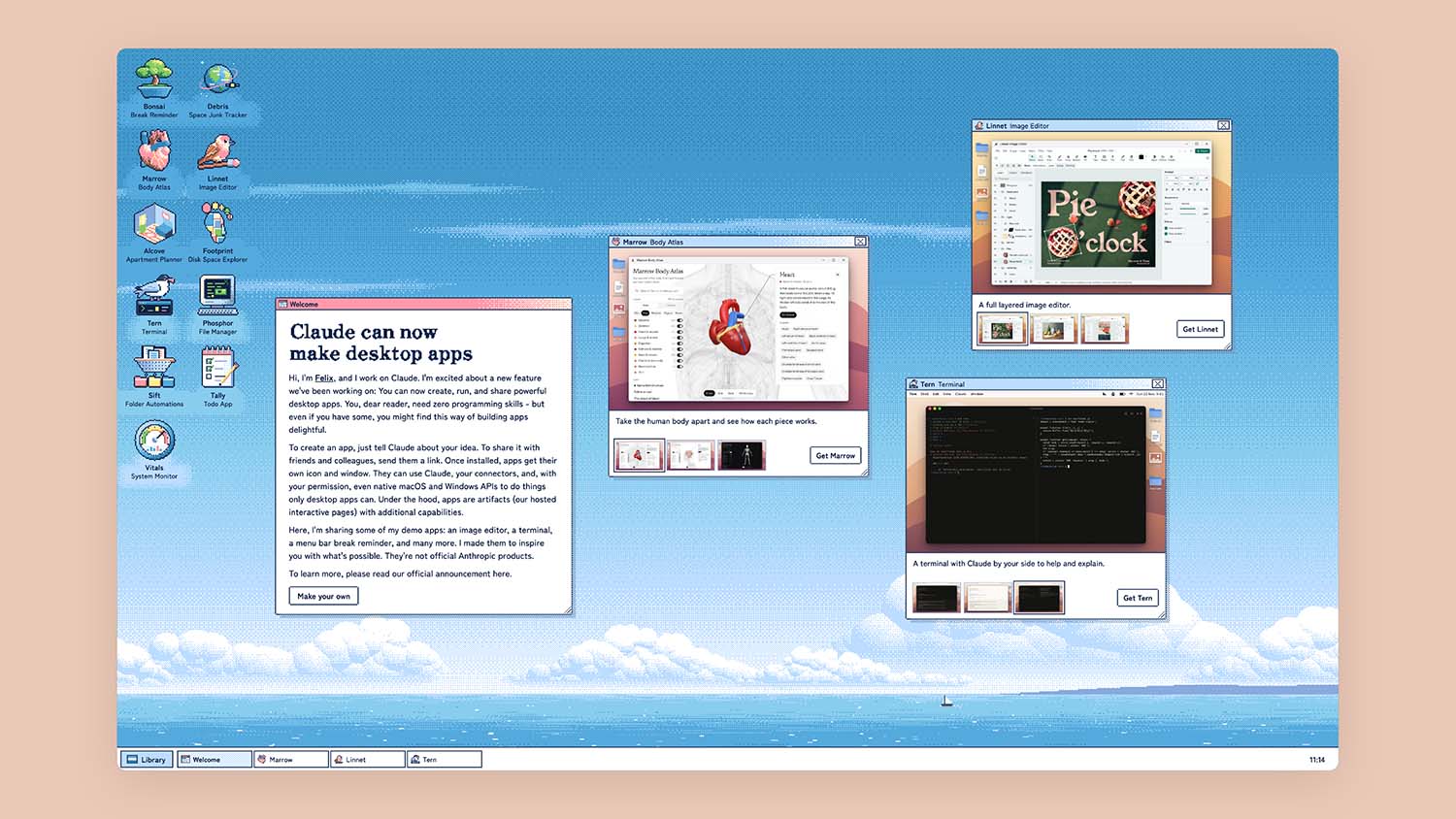
Anthropic announced on November 24 that "Install as app" lets Claude's conversational Artifacts — charts, web…
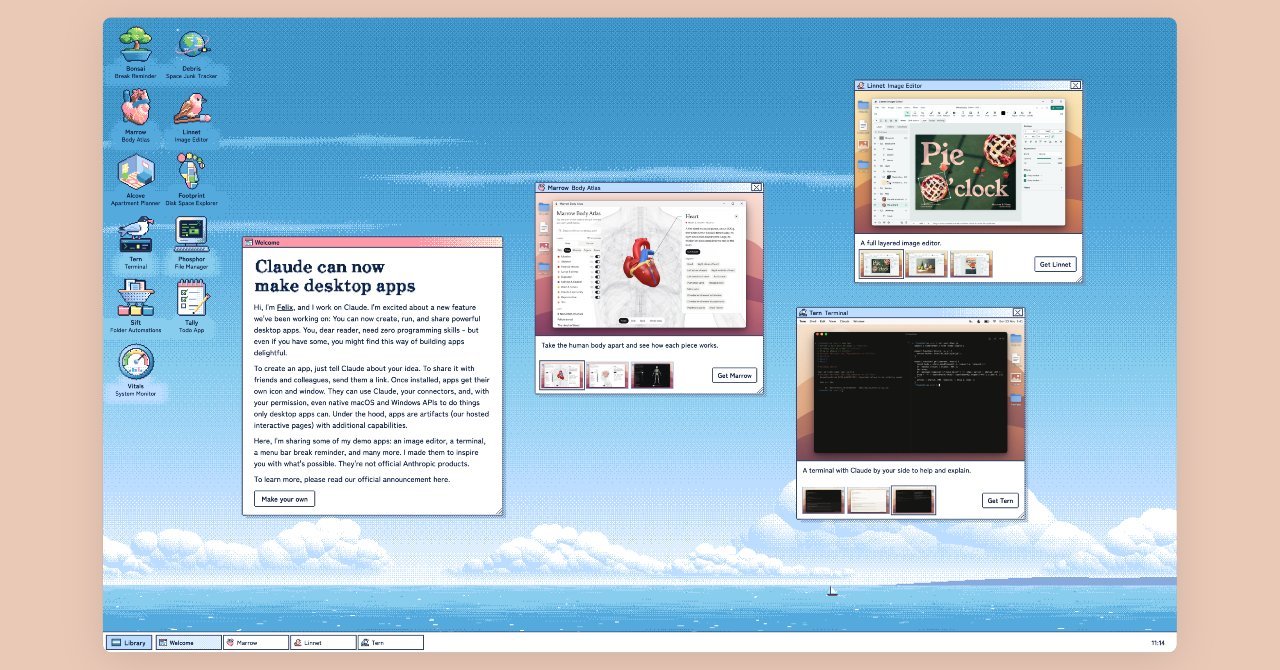
Anthropic launched "Install as app" in beta for Claude for Mac and Windows
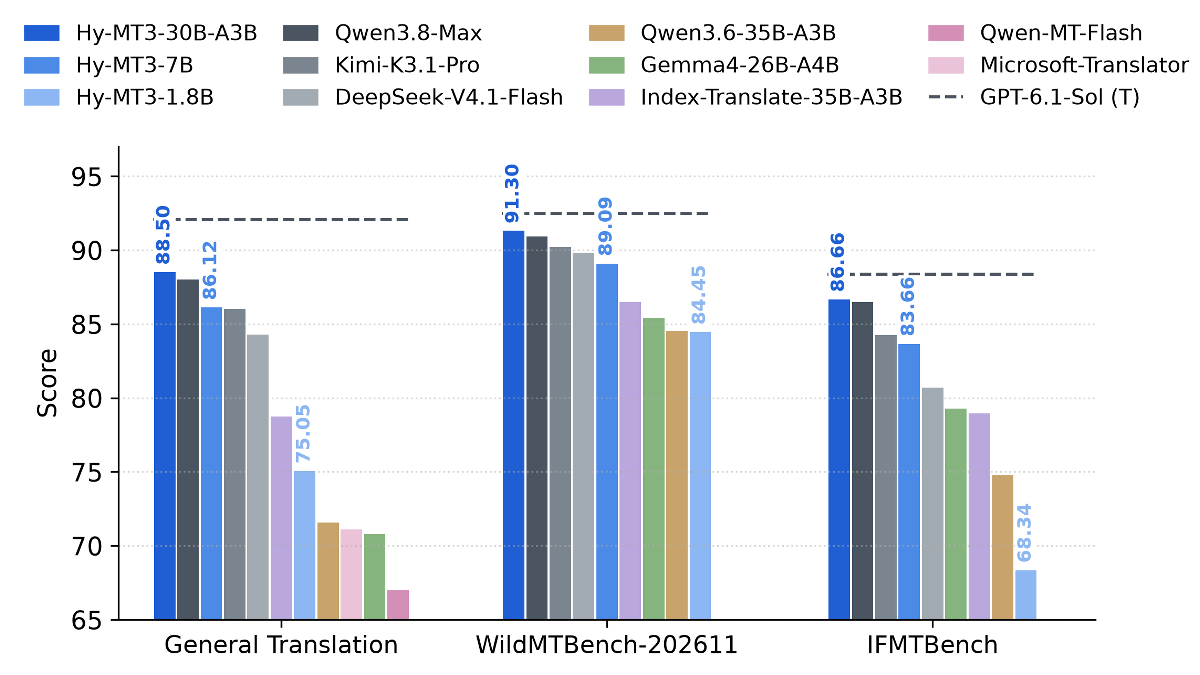
Tencent published Hy MT3 on November 24, 2026 in three sizes — Hy-MT3-30B-A3B, Hy-MT3-7B and Hy-MT3-1.8B — all…