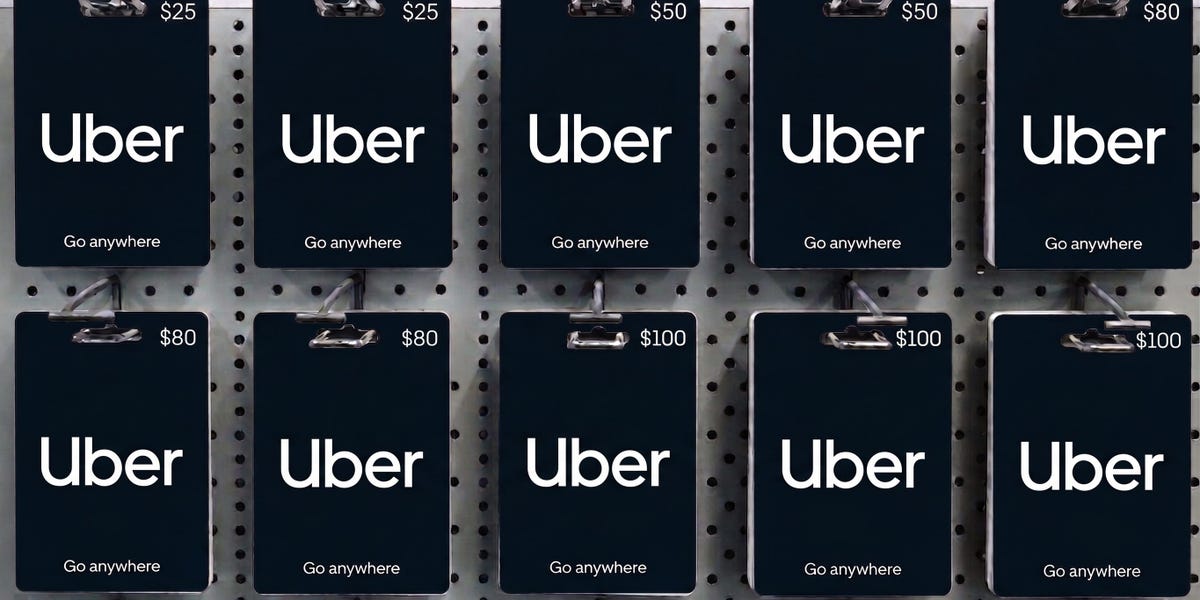
Uber moved to algorithm-based pricing instead of fixed rates, and fares surged 83% from 2018 to 2022.
Identical rides now cost up to 21% more at peak times than slow times.
The company blames costs and driver shortage; critics say AI extracts maximum money from riders.
What happened
Uber shifted from predictable taxi-like rates to algorithmic, real-time pricing around 2018. From 2018 to 2022, average US fares rose 83%, nearly four times the annual inflation rate. Business Insider found the same UberX ride quoted 21% higher at peak demand than off-peak, while Consumer Reports tests revealed even wider gaps on some routes.
Why it matters
Uber attributes the increase to higher operational costs and post-pandemic driver shortages. However, critics argue the company uses AI and algorithms to extract maximum revenue from riders while minimizing driver pay. Uber denies using personalized data to set fares differently for individual users, but the wide variance in identical-route pricing suggests algorithmic demand-based surge is the core mechanism.
What to watch
Uber has not disclosed how its real-time pricing algorithm weighs factors like demand, location, and driver supply. The tension between transparency and pricing power remains unresolved—riders cannot predict fares upfront the way the original Uber promise suggested.
Ask the AI about this article →
Uber's shift to algorithmic, real-time pricing marked a fundamental departure from its original value proposition—a transparent, phone-ordered alternative to traditional taxis. The company moved away from predictable rates based largely on time and distance, replacing them with dynamic pricing that responds to demand, supply, and other factors the company has not fully disclosed. The timing (around 2018) and the magnitude of the price increases (83% over four years) align with the adoption and refinement of these algorithms.
The core dispute centers on whether the algorithm's design prioritizes revenue extraction over fairness. Critics argue that Uber uses AI to maximize what riders pay and minimize what drivers earn. Uber's public stance—that higher operational costs and driver shortages, not algorithmic manipulation, drove prices up—does not directly address the variance consumers observe. The 21% gap on identical rides at the same time, documented by Business Insider, and wider gaps found by Consumer Reports, suggest that real-time demand-based pricing (surge pricing) is the mechanism at work, even if Uber denies personalizing individual riders' fares.
For example, today's edition would include:
AI-summarized, only the topics you pick — one digest a day via Email, Slack, or Discord.
Free · takes 30 seconds · unsubscribe anytimeWhat is AIToday? →
Ask AI anything about this article. Q&As are published on this page for other readers too.
Visko raised $10 million in pre-seed funding from Llama Ventures and opened public access to its first foundat…

U.S. markets ended August higher, with the S&P 500 up 2.6% and the Nasdaq up 3.9%

Neurovia AI, an Abu Dhabi-based company, is pitching Saudi security agencies software that it says can compres…

AI company Runway has unveiled Solaris, the first model in a new category it calls "Interface World Models." I…

John Deere introduced JD, a conversational AI tool that lets farmers ask open-ended questions about their hist…
Nvidia CEO Jensen Huang said on Fox Business that AI is creating 'hundreds of thousands' of jobs, including in…