What happened
FRONTEO said on 2026年10月27日 it began a co-creation project with 大塚製薬, using its Drug Discovery AI Factory and KIBIT AI to find novel target molecules for kidney diseases.
Why it matters
Otsuka gets a non-deep-learning AI that analyzed medical literature via equations to surface links papers do not state directly, potentially speeding early drug discovery.
WHO IT HITSDrug-discovery researchers and R&D planners at pharmaceutical companies, especially those working on kidney diseases, may see a new model for AI-assisted target discovery that runs on a single PC and does not rely on deep learning.
Summaries like this, every morning.
The project comes as AI drug discovery in Japan has moved past a boom phase into an implementation phase where companies compete on concrete results. The domestic market is growing at an average annual rate of 22.20%, and peers have already shown measurable gains: Chugai's antibody-design AI MALEXA has produced clinical-stage candidates, while Astellas integrated AI and robotics to cut the time to obtain candidate compounds by about 70% versus conventional methods.
For Otsuka, the kidney area is a long-standing strength, but it faces high unmet need in intractable diseases such as IgA nephropathy and a changing revenue structure as key product patents expire. That makes creating first-in-class drugs an urgent task, and the company is pairing its own kidney knowledge with FRONTEO's AI rather than building the capability alone.
FRONTEO's KIBIT is positioned as different from mainstream deep learning: it uses equation-based analysis of large volumes of medical literature to capture unknown relationships between diseases and molecules that papers do not directly mention. Because the learning process is lightweight enough to run on a single PC and is backed by 21 related patents, FRONTEO argues it can systematically produce discontinuous discoveries resembling human inspiration.
Pick your industry and the AI tools you use, and get news related to your work every day.
Free · 30 seconds with Google · unsubscribe anytimeWhat is AIToday? →
Ask AI anything about this article. The AI reads this article, earlier AIToday articles, and Wikipedia, and cites its sources. Q&As are published on this page for other readers too.
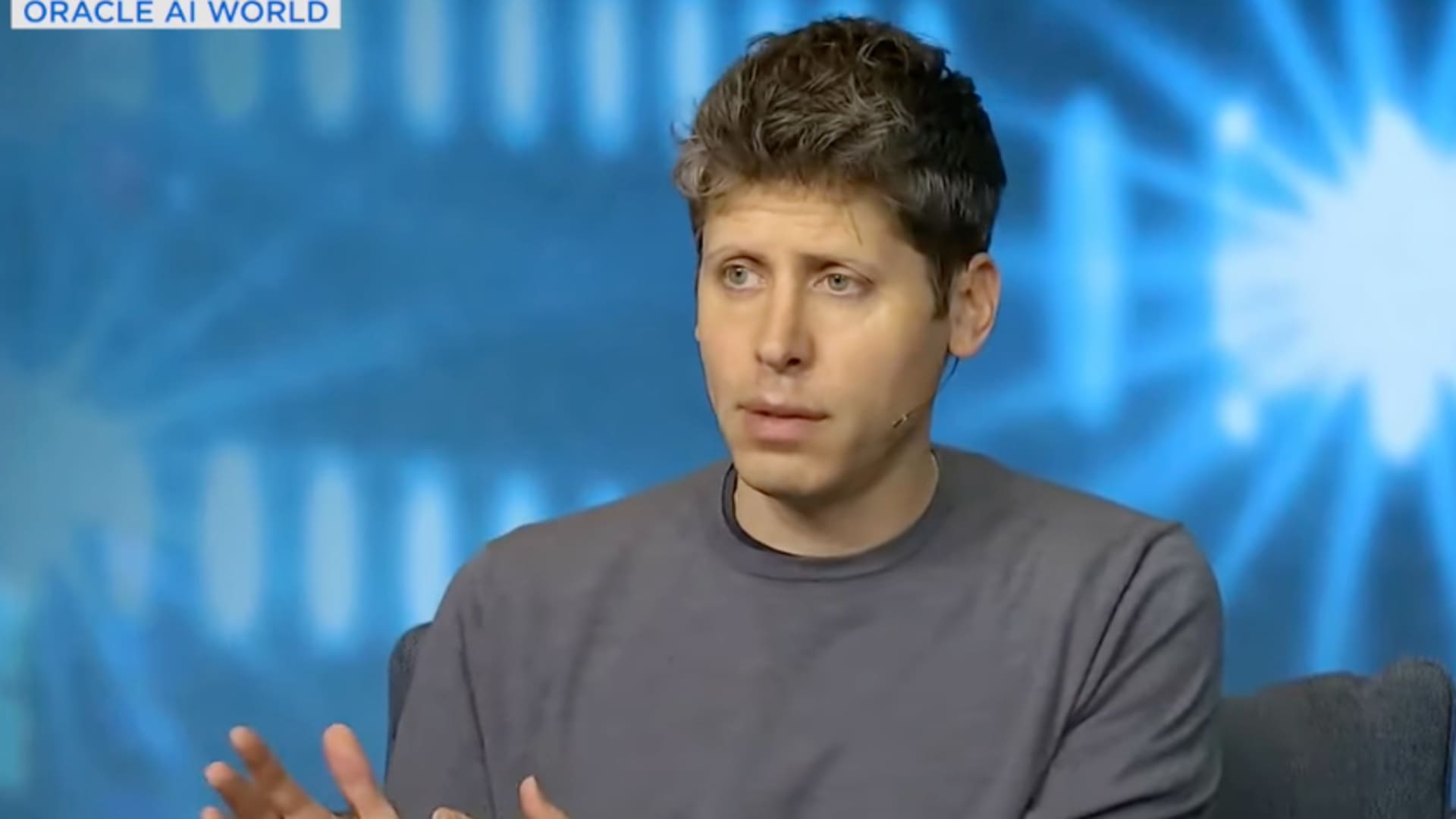
Oracle said it is integrating OpenAI's ChatGPT and Codex into its applications to make databases more actionab…
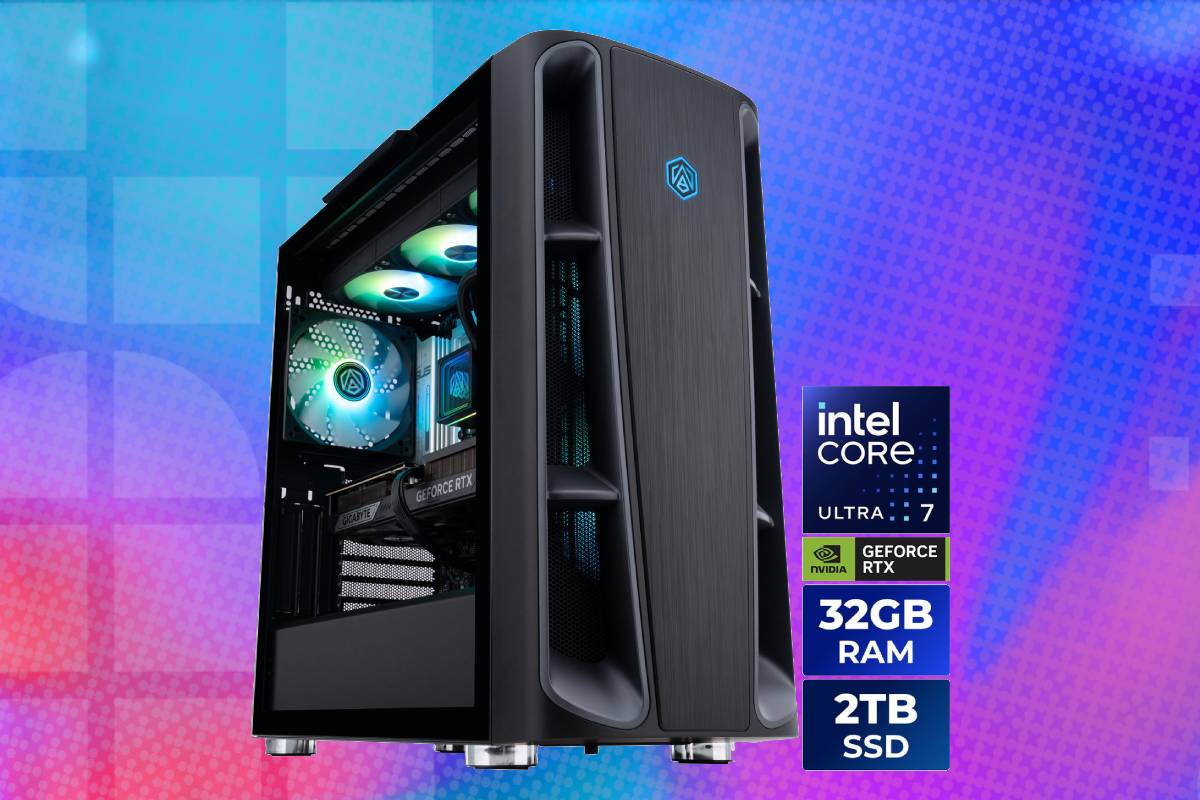
The ABS Kaze II Aqua pairs a 24-core Intel Core Ultra 7 270K Plus with an NVIDIA GeForce RTX 5070 Ti, 32GB of…
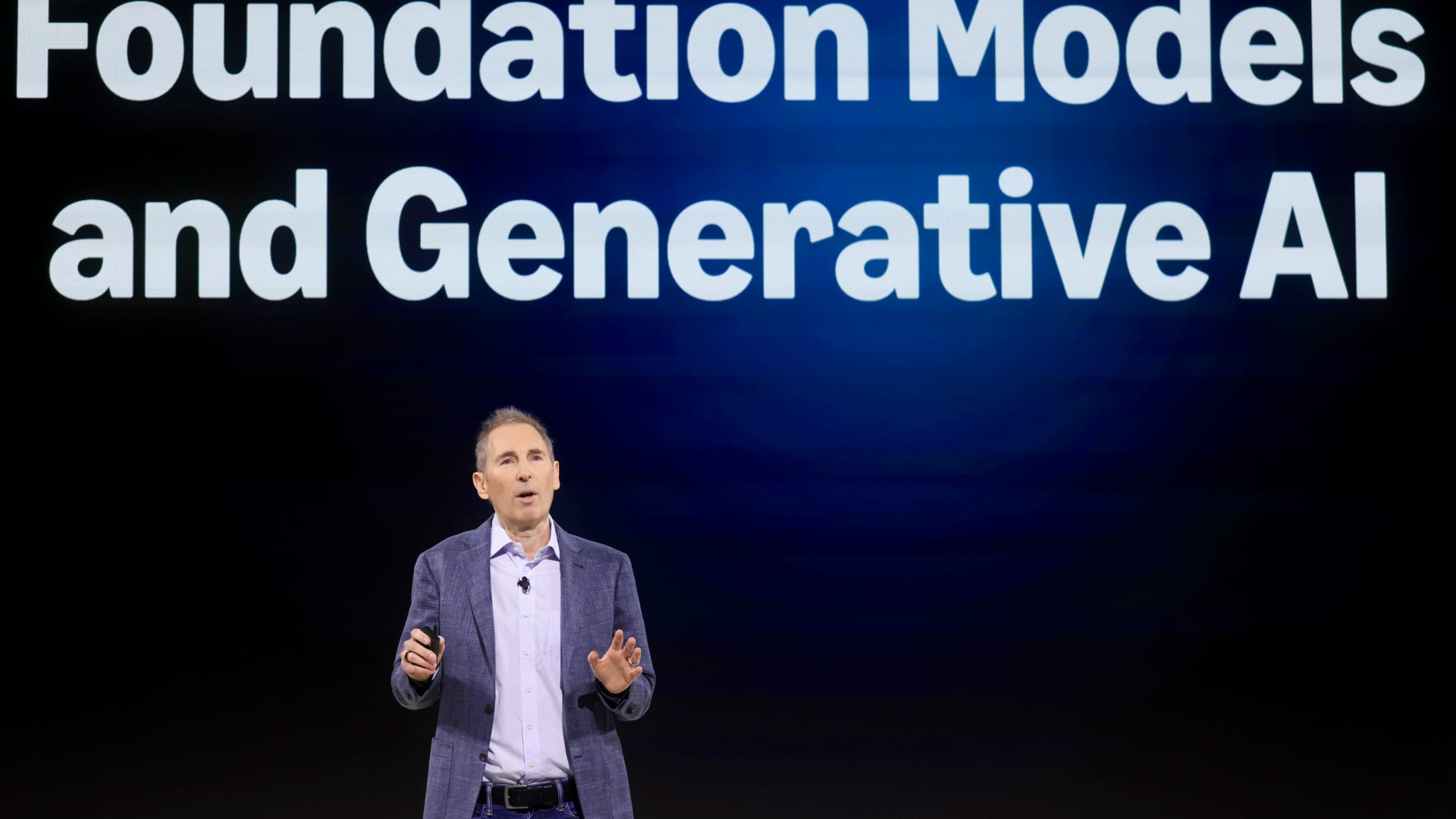
In a memo circulated in September and posted to its website Tuesday, Amazon called token usage, AI adoption ra…
Oracle signed deals to put Google Tensor Processing Units, Cerebras chips, and SambaNova's SN50 processor on i…
Mike Santoli notes the iShares AI Innovation ETF has fallen 35 percentage points relative to the equal-weight…

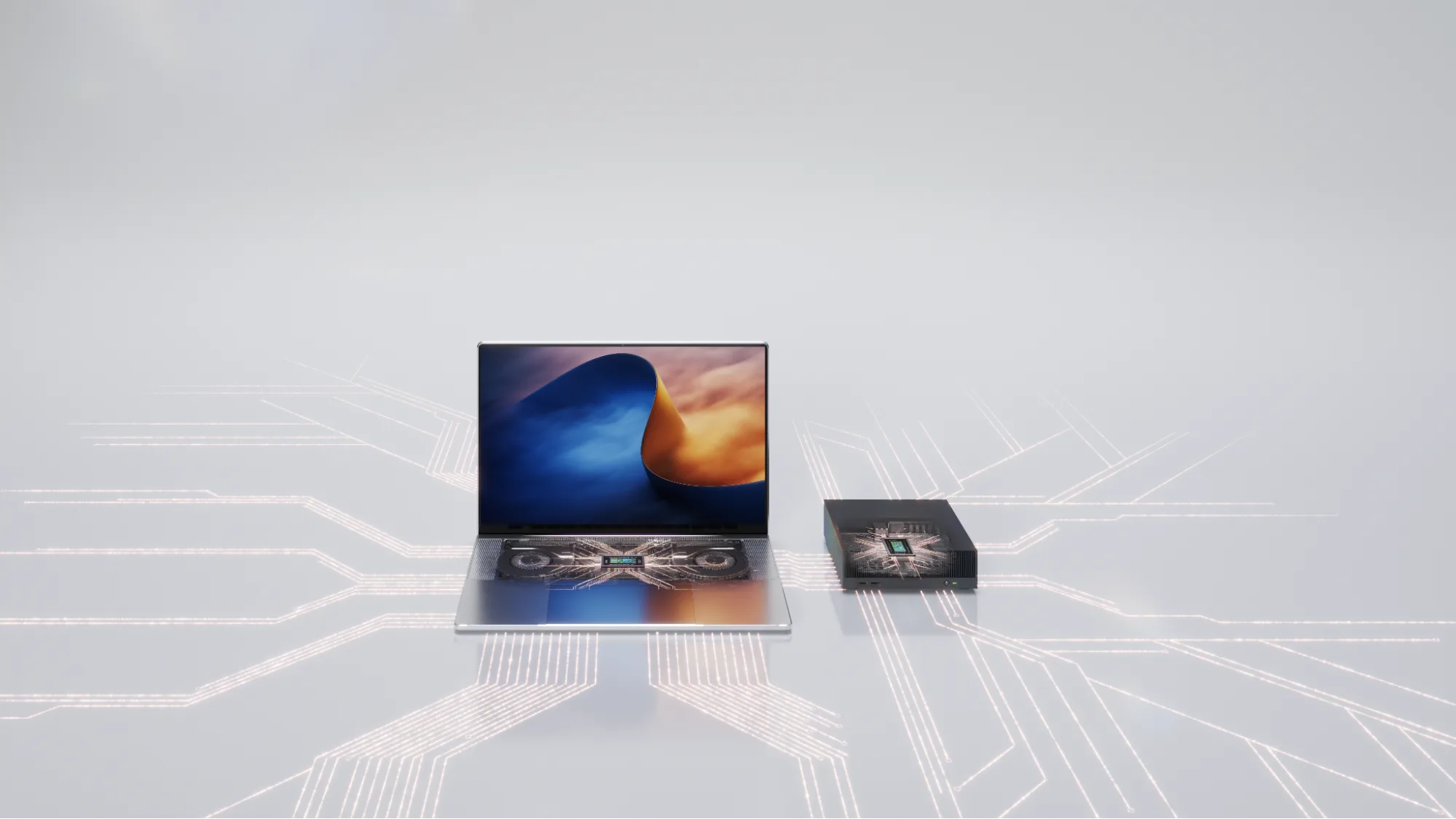
NVIDIA announced RTX Spark, a Windows PC platform with a Blackwell RTX GPU, Grace CPU, and up to 128 GB of uni…