What happened
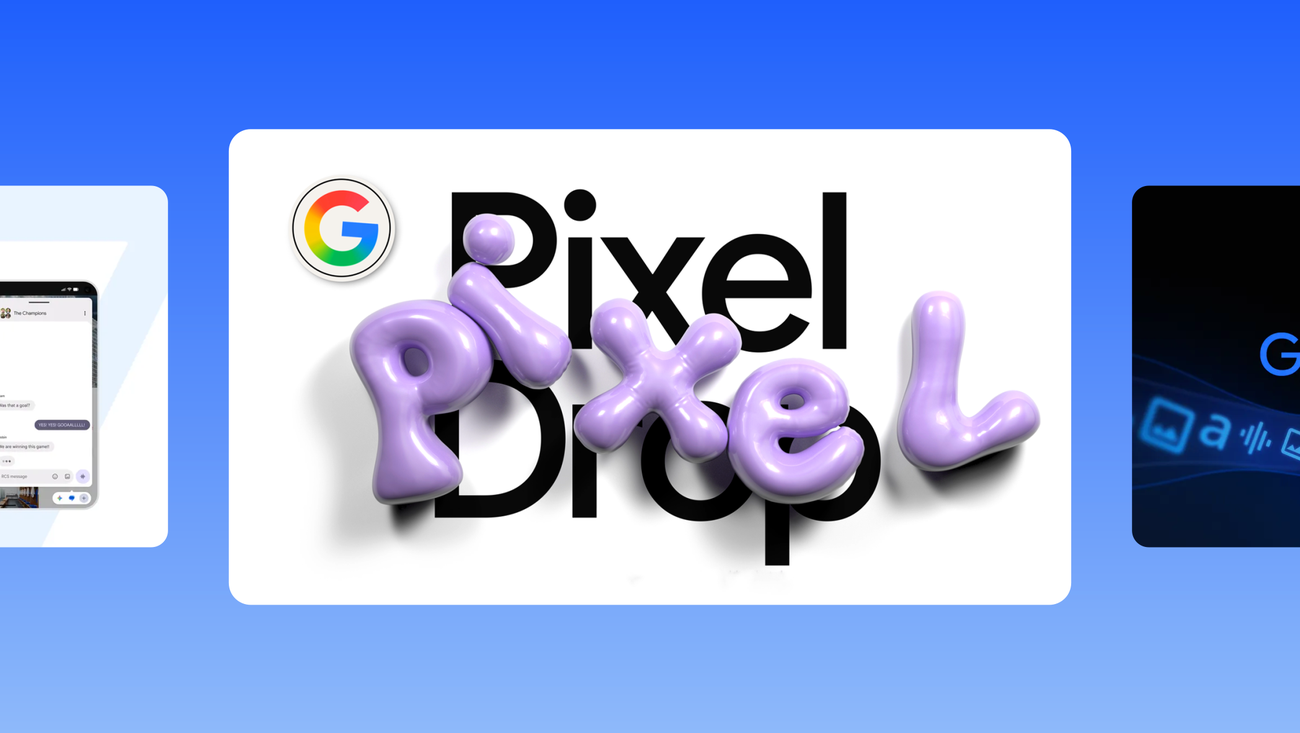
Google released multiple AI updates in June, including Gemma 4 12B (an open model running locally on 16GB of memory with vision and voice), integration of computer use into Gemini 3.5 Flash for custom agents, Nano Banana 2 Lite (a faster image model), and Gemini Omni Flash in public preview for multimodal video workflows. Android 17 rolled out first to Pixel devices with features like floating app windows and enhanced security, followed by other eligible Android devices throughout 2026.
Why it matters
These updates reflect Google's strategy to embed AI into everyday devices and workflows—from laptops and phones to smart speakers and enterprise tools. For businesses and developers, computer use in Gemini 3.5 Flash enables automation of long-horizon and enterprise tasks like continuous software testing. For educators and students, new study notebooks in the Gemini app offer adaptive learning tailored to individual needs, and Google released a study and free teacher training guide on AI's effectiveness as a pedagogical partner.
What to watch
Gemini 3.5 Live Translate is rolling out in Gemini Live API, Google AI Studio, and Google Translate app, automatically detecting more than 70 languages while preserving the speaker's natural intonation. The new Google Home Speaker built for Gemini is now available and does not require rigid commands. NotebookLM's upgrades are available globally today for Google AI Ultra subscribers and specific Workspace accounts.
Summaries like this, in your inbox every morning.
Pick your industry and the AI tools you use, and get news related to your work every day.
Free · 30 seconds with Google · unsubscribe anytimeWhat is AIToday? →
Ask AI anything about this article. The AI reads this article, earlier AIToday articles, and Wikipedia, and cites its sources. Q&As are published on this page for other readers too.

