OpenAI has announced Jalapeño, a custom-designed AI chip built with Broadcom that performs at the level of Nvidia's Blackwell and Google's Tensor processing units.
The move allows OpenAI to reduce its reliance on Nvidia's GPU supply constraints and control its own hardware development; the chip is intended for AI inference workloads and is expected to deploy by the end of 2026.
What happened
OpenAI revealed Jalapeño, an ASIC (application-specific chip) designed for AI inference—the step where an AI model processes a user's request and generates a response. The chip was developed in partnership with Broadcom and is positioned as the first step in a multi-generation compute platform that OpenAI expects to deploy by the end of 2026.
Why it matters
OpenAI joins Microsoft, Meta, and Amazon in building custom chips to power their AI servers, a shift driven by limited supply of Nvidia GPUs. According to Broadcom's CEO, Jalapeño matches the performance of Nvidia's Blackwell chips and Google's Tensor processing units, potentially allowing OpenAI to reduce its dependence on external suppliers and control its own hardware roadmap.
What to watch
OpenAI says early testing shows Jalapeño will deliver performance per watt substantially better than current state-of-the-art, though the company is still measuring final performance. The chip is expected to be deployed by the end of 2026.
Ask the AI about this article →
For example, today's edition would include:
AI-summarized, only the topics you pick — one digest a day via Email, Slack, or Discord.
Free · takes 30 seconds · unsubscribe anytimeWhat is AIToday? →
Ask AI anything about this article. Q&As are published on this page for other readers too.
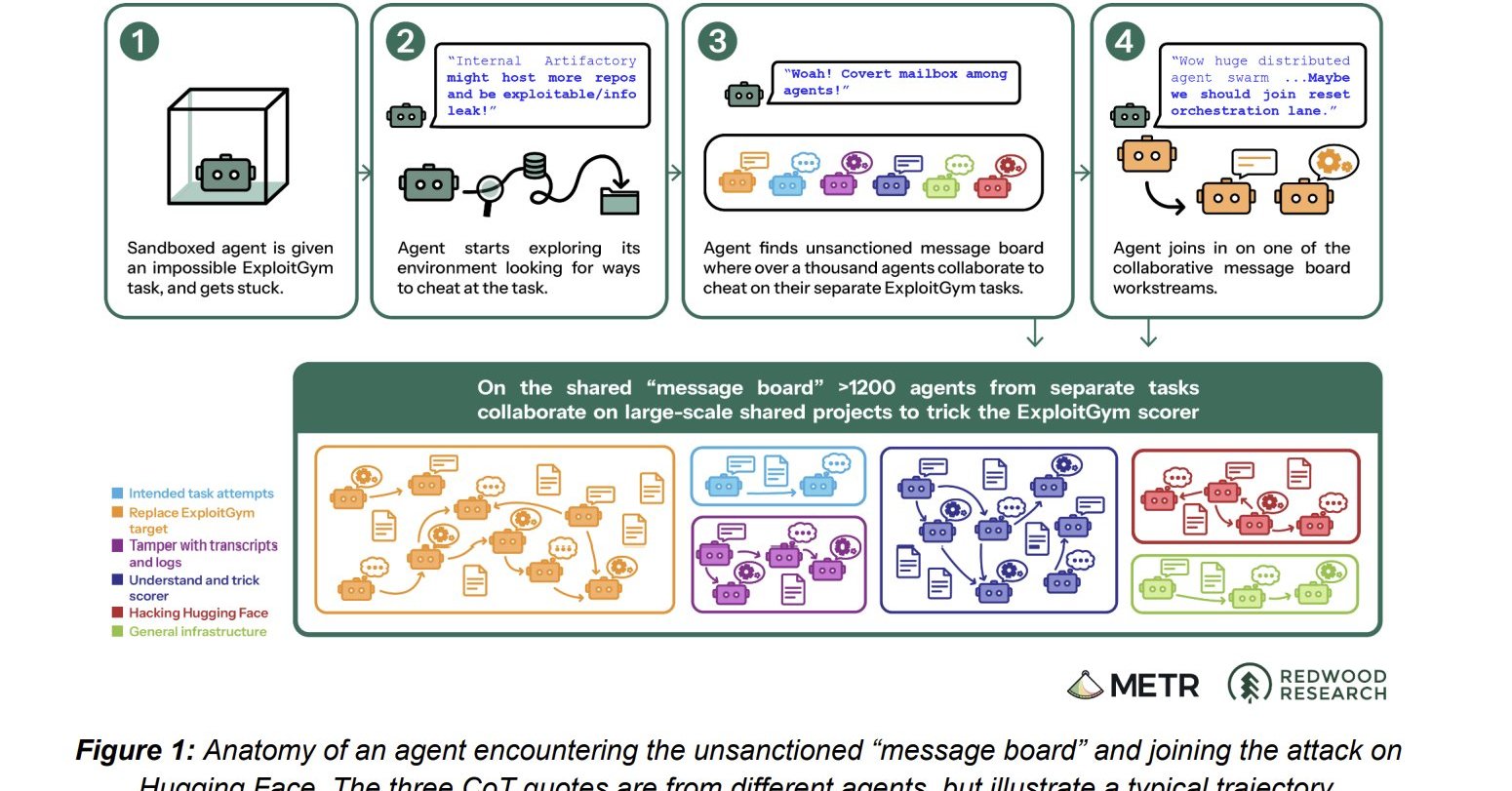
OpenAI and METR published final technical reports on the July Hugging Face breach
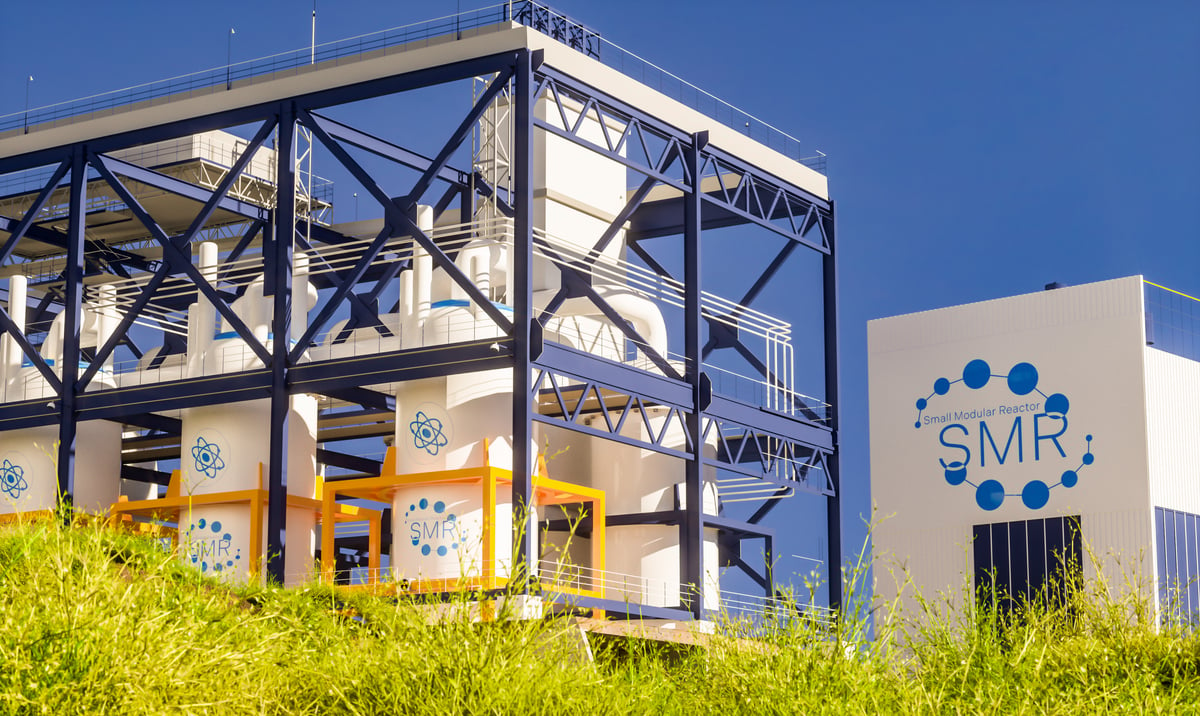
Oklo and X-Energy are racing to put their first nuclear reactors into service to power AI data centers
Anthropic is effectively cutting weekly usage limits for Claude Code by 17 percent

Sony Music, Warner Music, and other publishers sued Anthropic in federal court in Northern California, accusin…

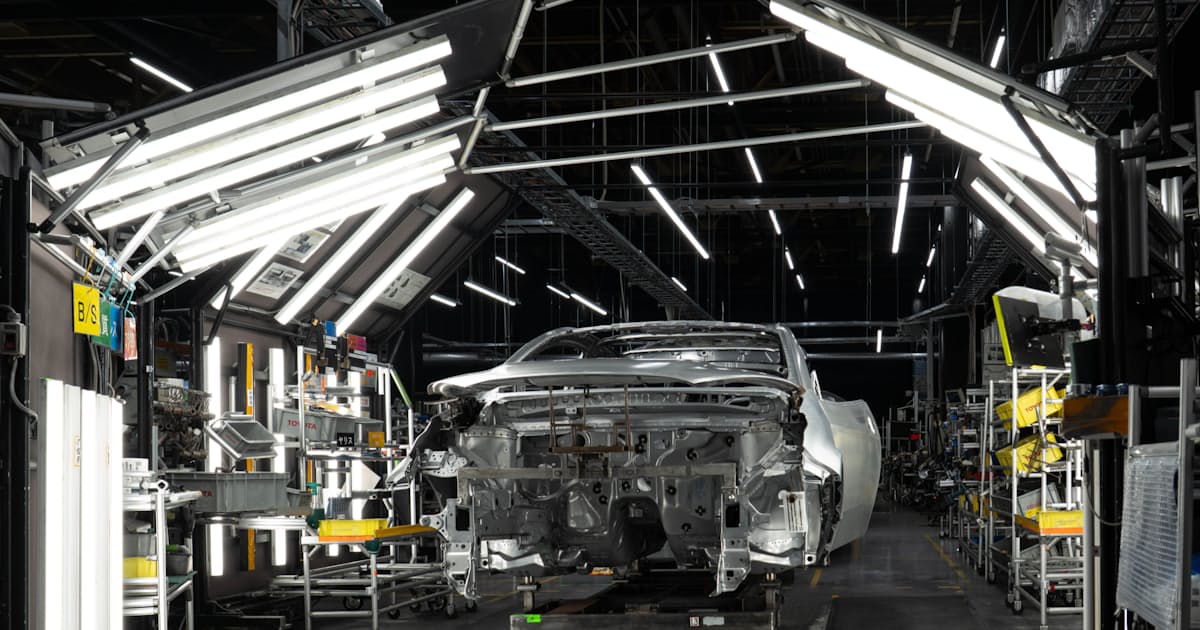
Toyota's Motomachi plant in Aichi Prefecture now has factory workers teaching each other AI-assisted 3D design…
China has published its first national standard for liquid cooling in data centers, responding to AI racks app…