What happened
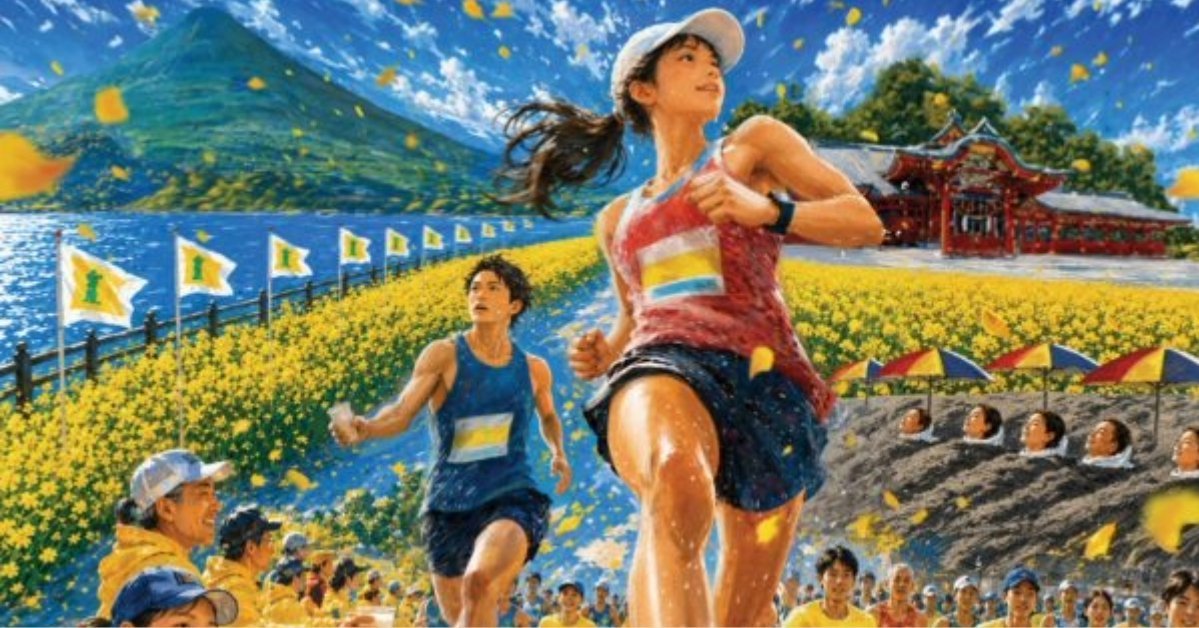
The organizer of the Ibusuki Marathon in Kagoshima confirmed on September 8 that generative AI was used to create its poster, following criticism on X that the canola flowers looked AI-generated.
Why it matters
The official site originally credited an 'illustrator' for the poster, but the organizer has now corrected this to say a 'graphic designer' produced it, acknowledging the description was inappropriate.
What to watch
The organizer apologized for the canola flower visuals differing from the real flower, citing insufficient checks during production and proofreading. Watch whether similar AI-use disclosures become standard for event posters.
WHO IT HITSEvent organizers who commission posters and other promotional materials are affected, as this case highlights the need for accurate credit and disclosure when AI tools are used in the creative process, to avoid public backlash.
Summaries like this, every morning.
The incident began when the Ibusuki Marathon's official website posted a poster on July 24, 2026, for the 44th race planned for January 2027. The poster featured canola flowers, which are part of the event's name, along with other local sights. Around September 7, users on X began noting that the flower visuals appeared different from reality, suggesting AI generation, despite the site's credit to an illustrator.
The organizer's September 8 statement serves as both a correction and a clarification. It revealed that generative AI was used, but emphasized that a graphic designer handled the composition, design, and image editing, resulting in the final visual. The statement also changed the credit from 'illustrator' to 'graphic designer,' admitting the original description was not accurate. Additionally, an apology was issued for the flower visuals, attributing the issue to insufficient checks during production and proofreading.
The episode likely highlights a growing expectation for transparency when AI tools are part of creative work. The test may be whether audiences accept AI-assisted design when the human role is clearly and accurately described, or whether any use of generative AI in promotional art will draw scrutiny. The organizer's own assessment that the poster captures the marathon's charm and Ibusuki's character suggests it stands by the final product, hoping the clarified process will address the backlash.
Pick your industry and the AI tools you use, and get news related to your work every day.
Free · 30 seconds with Google · unsubscribe anytimeWhat is AIToday? →
Ask AI anything about this article. The AI reads this article, earlier AIToday articles, and Wikipedia, and cites its sources. Q&As are published on this page for other readers too.
Executive Producer Elizabeth White told The Guardian that shots with plankton, boats, or buoys — previously cu…
Canva launched Canva Craft, an AI image model that plans a design before generating it, producing images up to…
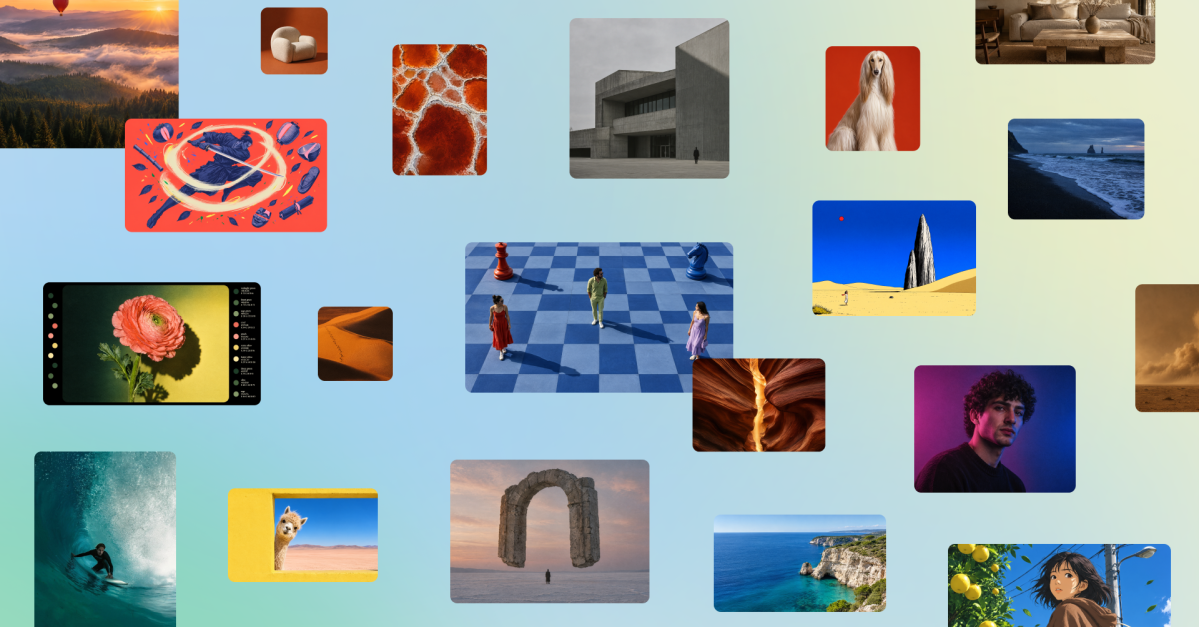
Canva released Canva Craft, its first image generation model, available to all users via the Dream Lab tab and…
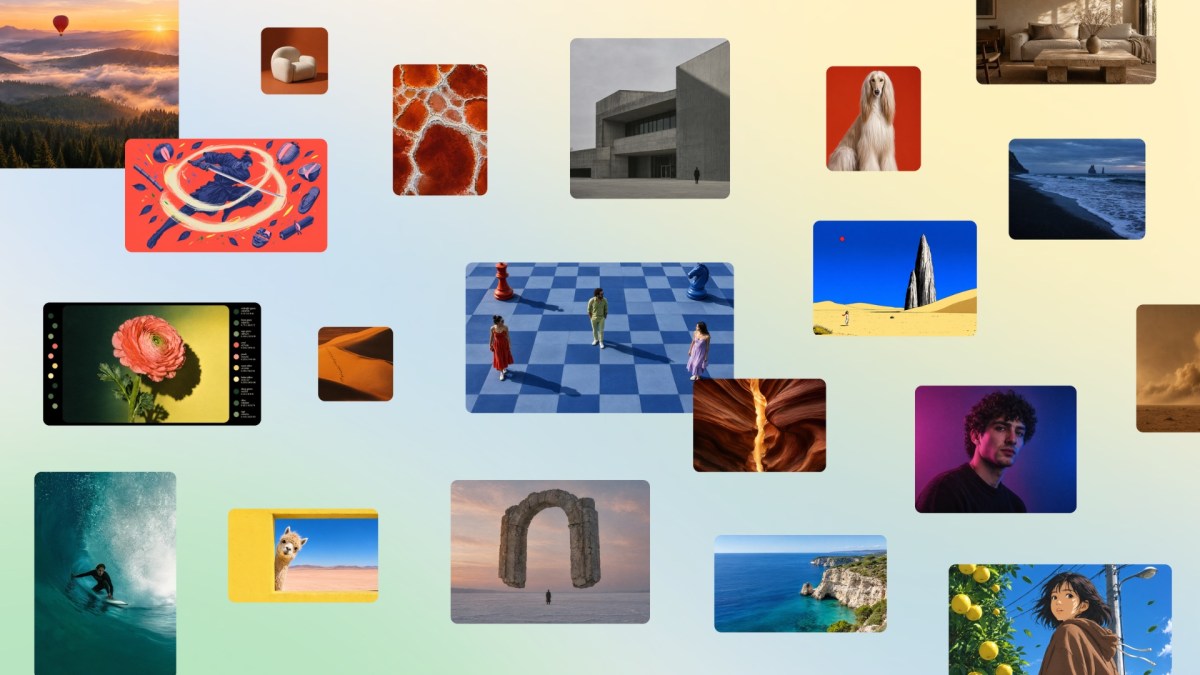
Rerunning the same images and prompts that broke Gemini 3.5 Flash Lite, the developer found Gemini 4 Argon enc…
KDDI, Okinawa Cellular and KDDI Digital Life added ChatGPT 5.5, ChatGPT 5.5 Pro and ChatGPT 5.5 Thinking to po…
IronSight AI and Fast Iron announced a partnership integrating IronSight's image recognition into Fast Iron's…