What happened
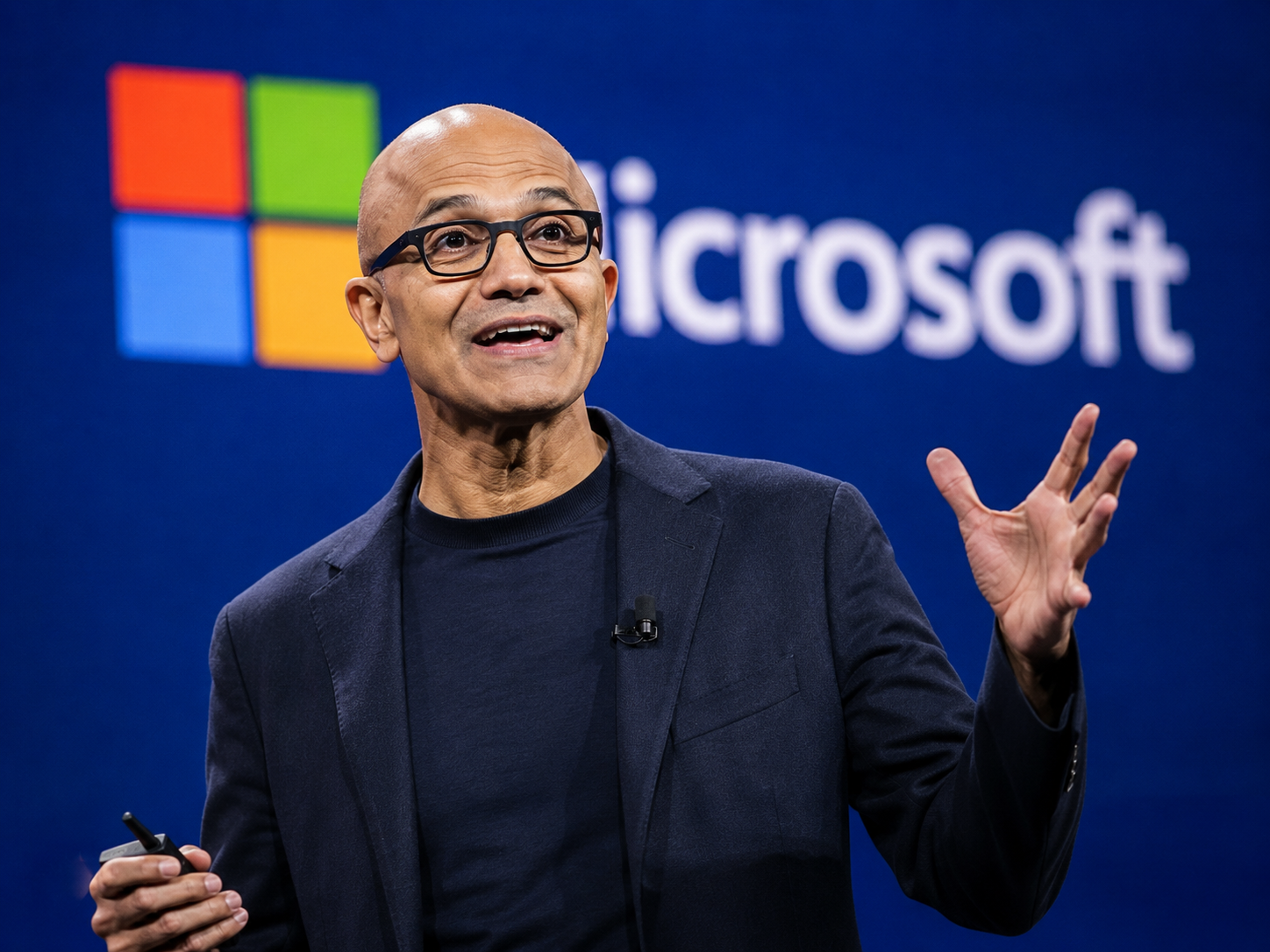
At a New York business conference on November 18, Microsoft CEO Satya Nadella said he was "extremely sorry" for the outage that took down Outlook, Teams and Copilot for about a day starting November 12.
Why it matters
Nadella said Microsoft should have run more testing in advance and built bulkheads, internal barriers that stop a local failure from spreading, so the problem never became a global outage; the apology came with no timeline or budget for fixes.
WHO IT HITSEnterprise IT teams running Microsoft 365 and paying for Copilot face renewed questions about redundancy, while procurement and legal teams may use the outage as leverage in renewal talks, though Microsoft has reported no customer credits or lost contracts tied to it.
Summaries like this, every morning.
The apology comes as Microsoft asks businesses to pay more for AI, and Nadella's admission that the systems running its flagship apps failed in ways better testing should have caught sits awkwardly beside that pitch. His explanation changed over the week: on November 13, Microsoft traced the outage to an earlier network capacity upgrade that showed up after a recent network change and ruled out AI or a cyberattack as the cause. Three days later, Charles Lamanna, executive vice president of Copilot, Agents and Platform, gave a fuller account, saying a hidden defect in a fix for networking gateway servers, a surge in load on those gateways, and reduced server capacity combined to trigger a bug dating to July. Microsoft has not published a final root-cause report.
Nadella also suggested outages could become more common now that launching cyberattacks has become easier, and he said patches applied to old infrastructure create instability. He offered no reliability targets, spending figures, or changes to service credits. Switching costs still protect Microsoft, since moving a company's email, calendars, files, and logins elsewhere takes years, which is why investors treated the outage as an embarrassment with a limited financial cost.
The stock's position gives the episode its financial context: about 8.5% below its $555.80 record close from November 4 but still up 5.77% this year, trading at about 28 times earnings for a business with a 46.78% operating margin. Operating cash flow reached $58 billion last quarter, which easily covers more testing and better bulkheads. That view could change if another day-long Microsoft 365 outage hits before the next earnings report, or if management can't point to specific reliability fixes on that call.
Pick your industry and the AI tools you use, and get news related to your work every day.
Free · 30 seconds with Google · unsubscribe anytimeWhat is AIToday? →
Ask AI anything about this article. The AI reads this article, earlier AIToday articles, and Wikipedia, and cites its sources. Q&As are published on this page for other readers too.
Realbotix launched two Echo humanoid robots — the $11,950 Echo Tabletop with 17 degrees of freedom and the $59…

Anthropic priced its IPO at $83 per share, above its initially indicated $70 to $78 range, and is expected to…

Alibaba CEO Eddie Wu said on the company's earnings call that the next Qwen AI model is being developed using…

Linq raised $90 million in a Series B led by Andreessen Horowitz at a $1 billion valuation, lifting total fund…

Anthropic's IPO is poised to raise billions, with Amazon and Google holding stakes valued around a combined $3…

Google said Google AI Ultra (from 14,500円/month) now upgrades its included YouTube Premium from individual to…