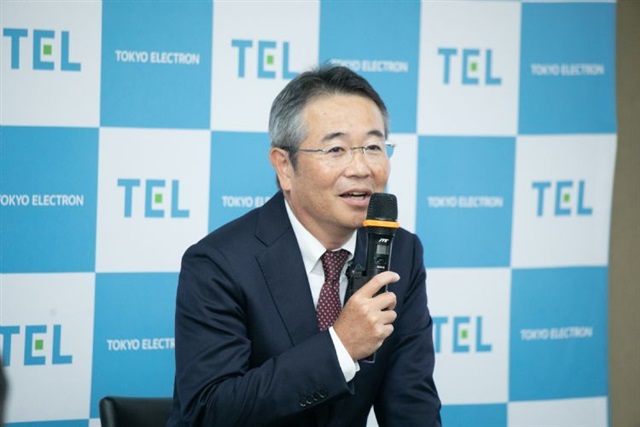
Tokyo Electron's Taiwan president said AI is pushing semiconductor demand into new areas, with advanced packaging, DRAM, high-bandwidth memory, and NAND flash all gaining momentum.
Summaries like this, in your inbox every morning.
Pick your industry and the AI tools you use, and get news related to your work every day.
Free · 30 seconds with Google · unsubscribe anytimeWhat is AIToday? →
Ask AI anything about this article. The AI reads this article, earlier AIToday articles, and Wikipedia, and cites its sources. Q&As are published on this page for other readers too.
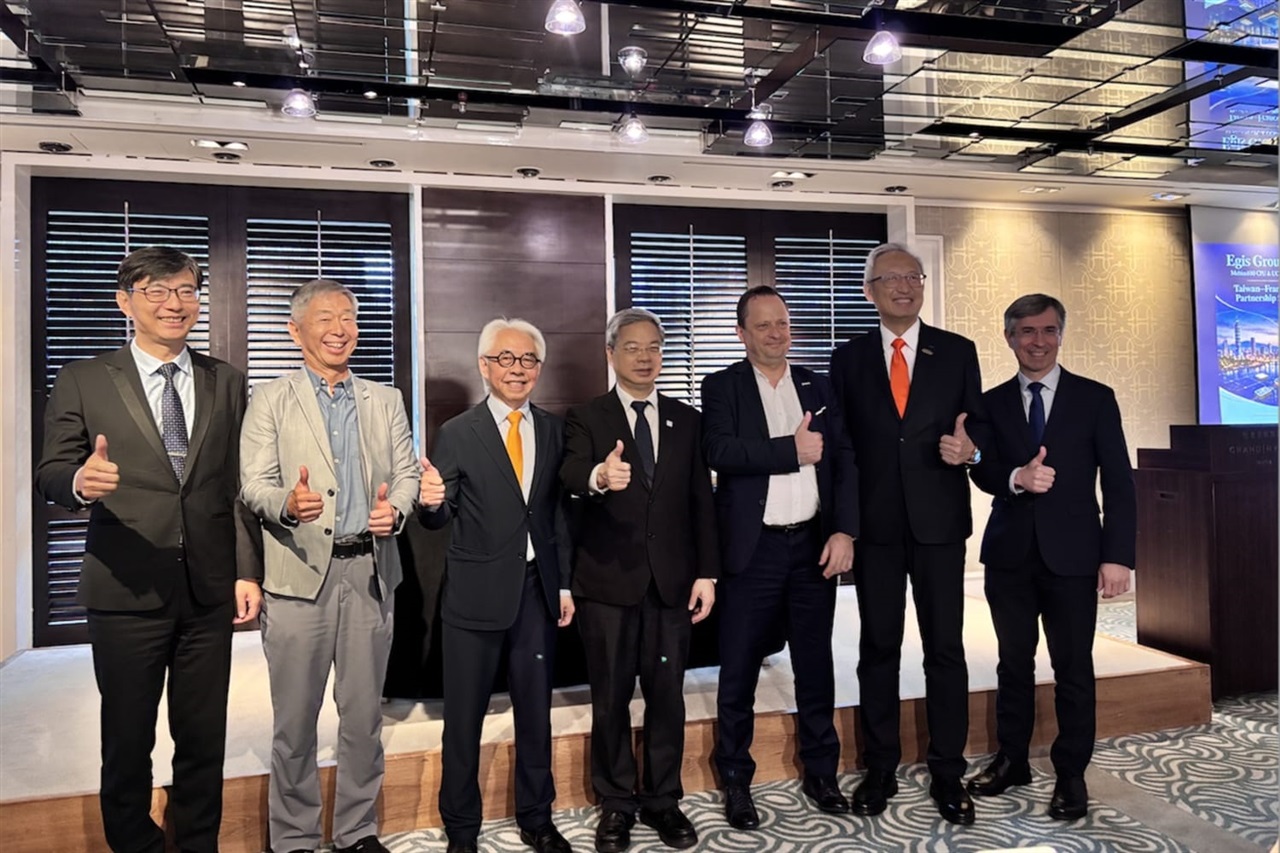
Egis Group and SiPearl formally signed a strategic CPU partnership at the Egis Group TechDay Taiwan-France cer…
Startups Electric Twin, Artificial Societies, GWI and Toluna are using data from real focus groups and surveys…

DeepSeek raised around $15 billion in one of China's biggest-ever financing rounds, after twice increasing its…
US stock futures and Asian markets fell on fears the AI boom is turning to bust, as an Australian data center…

Meta is creating a new class of nonvoting stock, first reported by Semafor, so Zuckerberg can issue shares for…

In a guest piece, Jacquard's Toby Coulthard says AI agents can now shop from a photo and budget, picking produ…