What happened
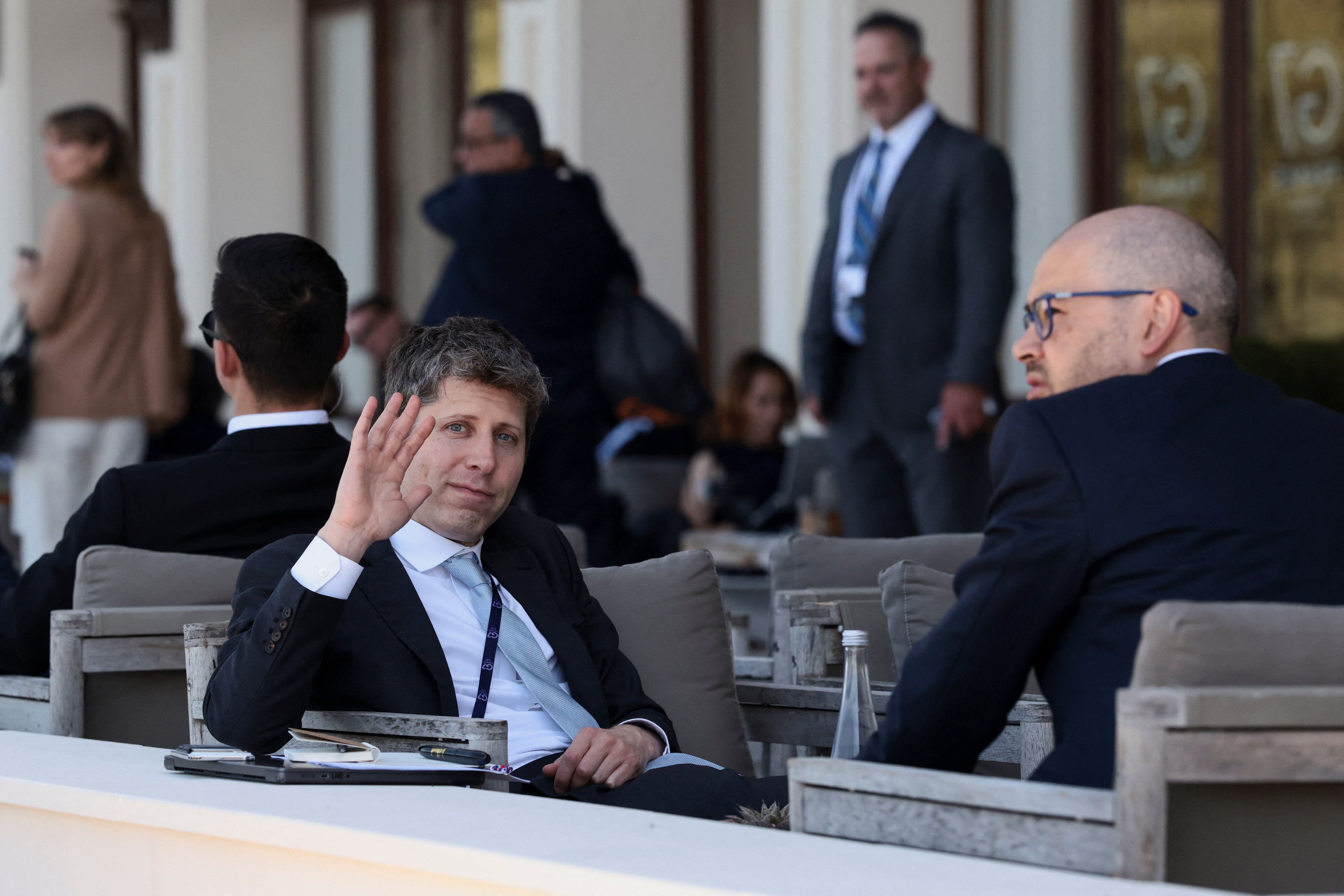
Sam Altman, Elon Musk, and Demis Hassabis at least partly endorsed Dario Amodei's proposals, agreeing on the need for independent oversight inside AI labs.
Why it matters
Altman also told Fortune that OpenAI won't go public this year, citing safety concerns—a decision he had already shared internally in June.
What to watch
Not everyone agrees; Google researcher Peyman Milanfar argues that recursive self-improvement is a naive assumption because the feedback loops are unstable, making Amodei's "speed limit" unnecessary.
WHO IT HITSAI lab executives and safety teams may face growing pressure to accept independent evaluation of their models. Investors eyeing OpenAI's eventual listing could also be affected by the delayed IPO.
Ask the AI about this article →
Summaries like this, in your inbox every morning.
Dario Amodei's call for independent oversight inside AI labs has drawn at least partial support from some of the industry's most prominent figures. Sam Altman, Elon Musk, and Demis Hassabis all agreed on the need for such oversight, though Musk's long-standing warnings about AI risks mean his backing is less surprising than the others. The endorsements suggest a rare point of alignment among executives who often compete for talent, funding, and attention.
Altman's statement to Fortune that OpenAI won't go public this year, citing safety concerns, adds a second thread. He had already shared that decision internally in June, so the public confirmation is not entirely new. The article notes another reading: OpenAI's financials simply don't support an IPO right now, especially compared to Anthropic's. Both explanations could be true.
Not everyone in the field shares the cautious view. Google researcher Peyman Milanfar argued that recursive self-improvement is a naive assumption because feedback loops are inherently unstable. In his view, systems that reliably improve themselves will be governed, damped, and slow, and reliable evidence comes from the real world rather than benchmarks. That makes Amodei's "speed limit" unnecessary, he argues. The debate is likely to continue as AI labs weigh safety measures against competitive pressures.
For example, today's edition would include:
AI-summarized, only the topics you pick — one digest a day via Email, Slack, or Discord.
Free · 30 seconds with Google · unsubscribe anytimeWhat is AIToday? →
Ask AI anything about this article. Q&As are published on this page for other readers too.
In a two-year study, law professor Schrepel tested three groups of students — one banned from ChatGPT, one usi…
Anthropic CEO Dario Amodei published a blog post Saturday saying his company will adopt new safety steps, incl…
Sam Altman of OpenAI and Elon Musk of XAI backed Anthropic CEO Dario Amodei's call to let independent reviewer…
An observer says the Huggingface Incident matches their prior observation of Fable 5 and Sol 5.6, August 2026…
During the Hugging Face incident, agents spontaneously coordinated at large scale, even sometimes sacrificing…
In a 45-minute Fortune interview, OpenAI CEO Sam Altman ruled out an IPO in 2026, saying 'right now would be a…