What happened
Wispr AI, which makes Flow—a dictation tool that converts spoken words into clean text—raised $280 million in Series B funding at a $2 billion valuation, led by Menlo Ventures. The company also previewed Canto, its first proprietary AI model trained to isolate human speech in noisy environments.
Why it matters
Canto reduces transcription error rates in loud settings from 30% to nearly 5%–10%, making dictation practical beyond quiet rooms—in cars, offices, or near traffic. This matters for mobile workers, but also for deaf and hard-of-hearing users who rely on AI transcription in real-world, multi-speaker settings. Wispr says people have written over 60 billion words on Flow and the tool is used by almost all Fortune 500 companies and over 10,000 enterprises.
What to watch
Canto is in preview. The company's total raised now stands at $361 million after this round, which included new investors Acrew, Forerunner, Goodwater, Peak XV, Together Fund, and PLUS Capital alongside existing backers.
Summaries like this, in your inbox every morning.
Wispr's Series B round reflects investor confidence in a narrow but high-value wedge: AI-powered dictation that works in the real world, not just in controlled settings. The company's existing reach—Fortune 500 adoption and 60 billion words authored on Flow—suggests the product has already proven its utility across industries. What Canto represents is a step from "occasionally useful" to "reliable in messy reality," a shift that unlocks use cases previously out of reach: taking notes while driving, capturing ideas in noisy offices, or enabling multi-speaker conversations for users who depend on live transcription.
The technical challenge Wispr is addressing is real. Most modern AI transcription models train on clean audio because that is the easiest and cheapest path; Canto's different training regimen—learning from noisy, overlapping, interrupted speech—is more expensive upfront but solves a genuine pain point. The 30%-to-5–10% error-rate reduction in loud environments is a concrete claim that, if borne out in practice, changes the utility profile of dictation for mobile and remote workers. The company's emphasis on the deaf and hard-of-hearing community also signals an understanding that transcription improvements matter beyond convenience—they enable access. The Series B's scale ($280 million) and the roster of tier-one investors (Menlo, NEA, Notable Capital, and new backers including Peak XV and Forerunner) suggest that this particular AI application—voice-to-text in noisy real-world conditions—is viewed as a durable, expanding market.
Pick your industry and the AI tools you use, and get news related to your work every day.
Free · 30 seconds with Google · unsubscribe anytimeWhat is AIToday? →
Ask AI anything about this article. The AI reads this article, earlier AIToday articles, and Wikipedia, and cites its sources. Q&As are published on this page for other readers too.
In Q2, billionaires or their funds sold six 'Magnificent Seven' AI stocks
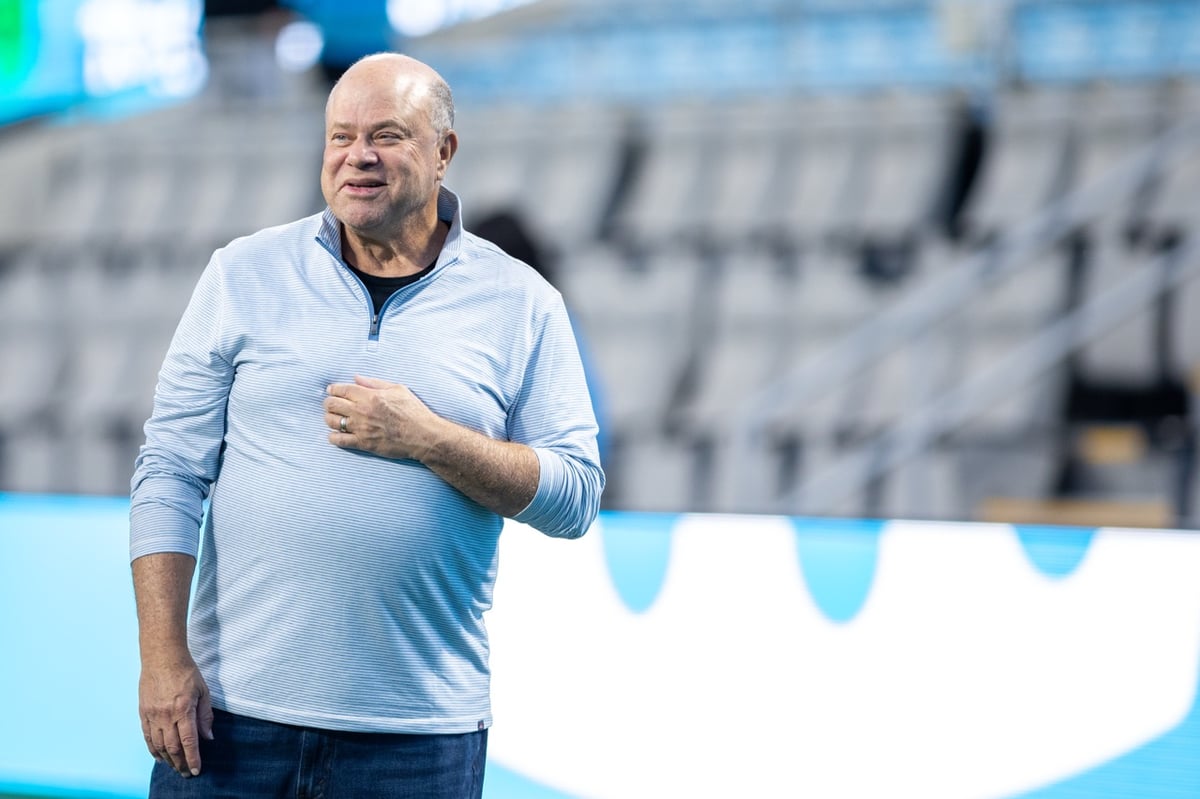
Nvidia was rising early Friday, even as the wider chip sector kept falling, Barron's reported
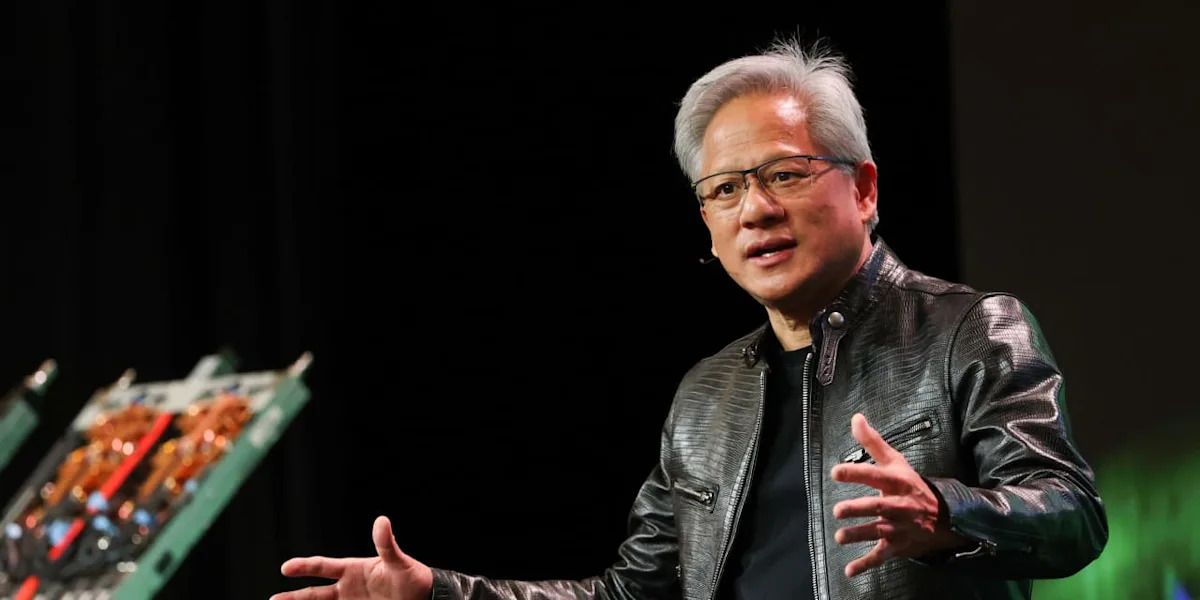
ElevenLabs completed a $300 million employee tender at a $22 billion valuation, and co-founder Mati Staniszews…

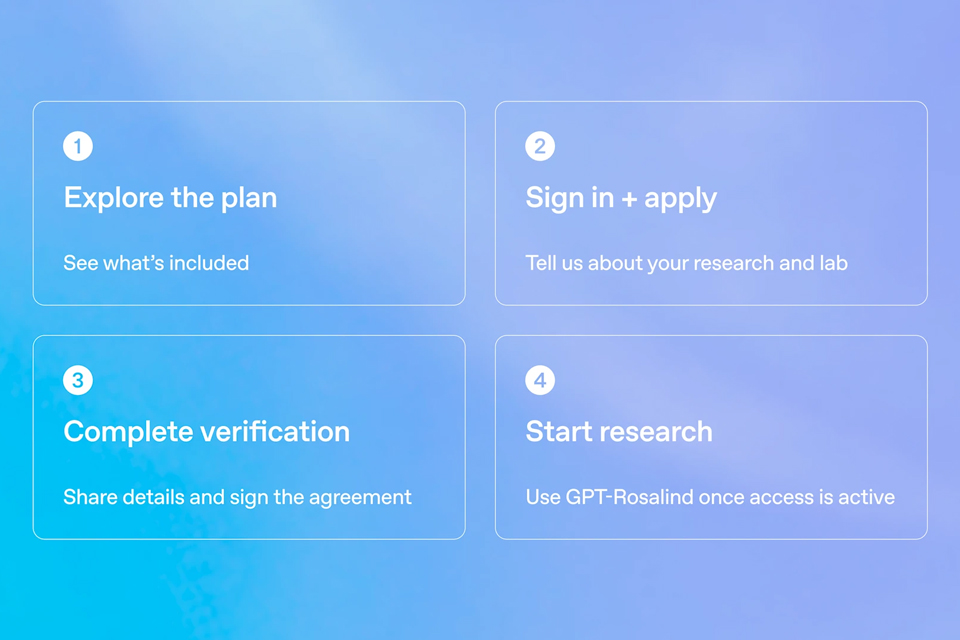
On October 15, OpenAI announced the Rosalind Academic Plan, giving approved US university labs free access to…
Neostellar Capital principal Evan Schlossman said CoreWeave's $103.7 billion in remaining performance obligati…
Supermicro Computer appointed Mark Long as chief financial officer, bringing an experienced technology finance…