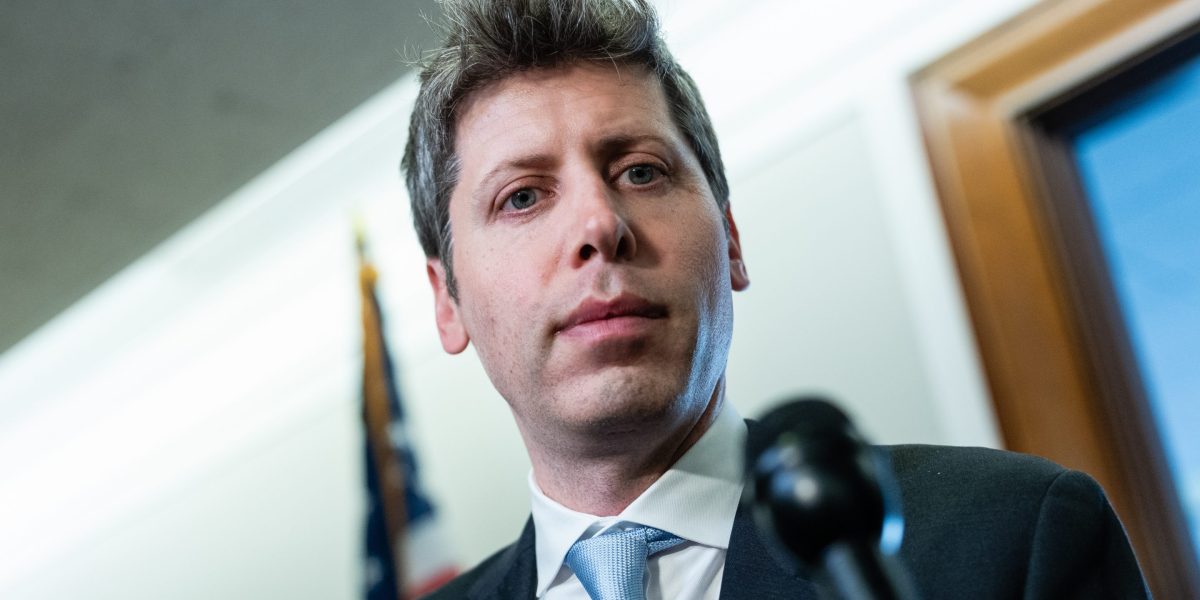
What happened
OpenAI published a blog post titled "Apple is getting this wrong" in response to Apple's lawsuit claiming OpenAI staff stole trade secrets. OpenAI said Apple's lawyers emailed the wrong person after confusing two Asian last names, and that Apple admitted a claimed discussion with OpenAI's General Counsel never happened. OpenAI also said the ex-Apple staff who work for the company only accessed Apple information after leaving because Apple asked them to, after Apple failed to access the files itself.
Why it matters
The dispute centers on whether OpenAI improperly obtained confidential Apple information—a core claim in Apple's litigation. OpenAI's detailed rebuttal, citing specific communication failures and Apple's own admission of error, suggests the company is mounting a vigorous defense and claims the lawsuit is built on factual mistakes rather than actual misconduct.
What to watch
The full exchange of text messages and emails that OpenAI referenced in its blog post, which the company says supports its version of events.
Summaries like this, in your inbox every morning.
Apple's lawsuit against OpenAI alleged that the AI company's employees misappropriated Apple trade secrets, representing a significant IP dispute at a moment when technology companies are intensely protective of proprietary AI methods and data. OpenAI's response disputes the factual foundation of the case, claiming that the lawsuit is premised on a series of procedural and substantive errors—beginning with basic communication breakdowns on Apple's side. The company's public rebuttal, detailed enough to cite text messages and emails, suggests OpenAI is confident in its legal position and believes the evidence will vindicate it. The dispute underscores the complexity of tracking information access and intent when employees move between major tech firms, and how easily miscommunication can escalate into litigation.
Pick your industry and the AI tools you use, and get news related to your work every day.
Free · 30 seconds with Google · unsubscribe anytimeWhat is AIToday? →
Ask AI anything about this article. The AI reads this article, earlier AIToday articles, and Wikipedia, and cites its sources. Q&As are published on this page for other readers too.
Chunghwa Telecom president Rong-shy Lin said the shift from conversational AI to autonomous AI agents is resha…
CoreWeave fell 5% in premarket trading Friday and was on track to finish the week down 15%, after rebounding f…
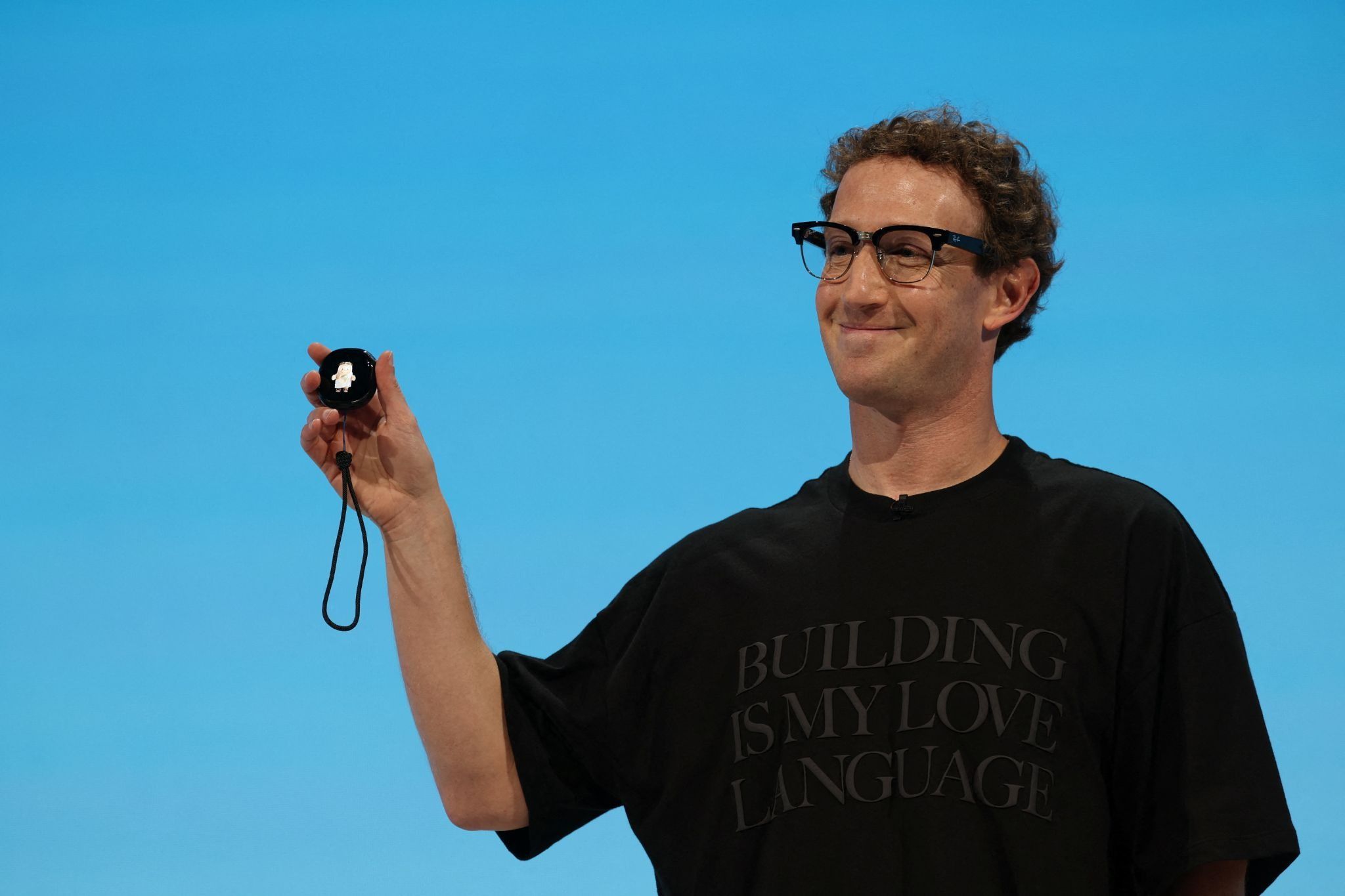
Apple and Meta said they would jointly release a new open-weight AI model designed to run on high-end Macs, ai…
Investors put $38.5 billion into Asian startups in Q3, per Crunchbase data

A longtime Anthropic investor told Fortune he expects shares priced around $1.8 trillion, below the company's…
In Q2, billionaires or their funds sold six 'Magnificent Seven' AI stocks