
What happened
Friend, the AI pendant startup, relaunched its product with a built-in speaker that can talk to users, raising the price from $129 to $249. The company also introduced a $10 per month subscription that extends conversation memory beyond 30 days.
Why it matters
Friend had become a symbol of tech dependence after a large protest in New York City nine months earlier, where demonstrators targeted the company's heavy advertising spend in the subway. The relaunch with a costlier product and subscription model shows the company is doubling down on the concept despite the public backlash.
What to watch
The new speaker feature and subscription tier represent a significant shift in the product's functionality and business model. Whether users accept the doubled price point and recurring fee after the earlier public criticism remains to be seen.
Summaries like this, in your inbox every morning.
Friend's relaunch comes against the backdrop of significant public resistance to the company's original product and marketing approach. The startup had burned through $1.8 million(約2.9億円) of its $2.5 million(約4億円) in funding to acquire the domain friend.com and spent heavily on advertisements throughout the New York City subway system. This aggressive promotion prompted a large protest nine months prior, where demonstrators gathered to voice concerns about growing dependence on technology, with Friend as the obvious focal point of their message. Notably, founder Avi Schiffmann not only acknowledged the protest but appeared at it himself, suggesting some awareness of the criticism.
The relaunch strategy appears to lean further into the product's capabilities rather than address the underlying concerns that sparked the protest. By adding a speaker—transforming the pendant from a text-based interface to a voice-enabled one—and introducing a subscription tier, Friend is positioning itself as a more intimate companion device. However, the doubled price point and new recurring fee structure may face skepticism from consumers who have already seen the company's contentious path to market.
Pick your industry and the AI tools you use, and get news related to your work every day.
Free · 30 seconds with Google · unsubscribe anytimeWhat is AIToday? →
Ask AI anything about this article. The AI reads this article, earlier AIToday articles, and Wikipedia, and cites its sources. Q&As are published on this page for other readers too.
Chunghwa Telecom president Rong-shy Lin said the shift from conversational AI to autonomous AI agents is resha…
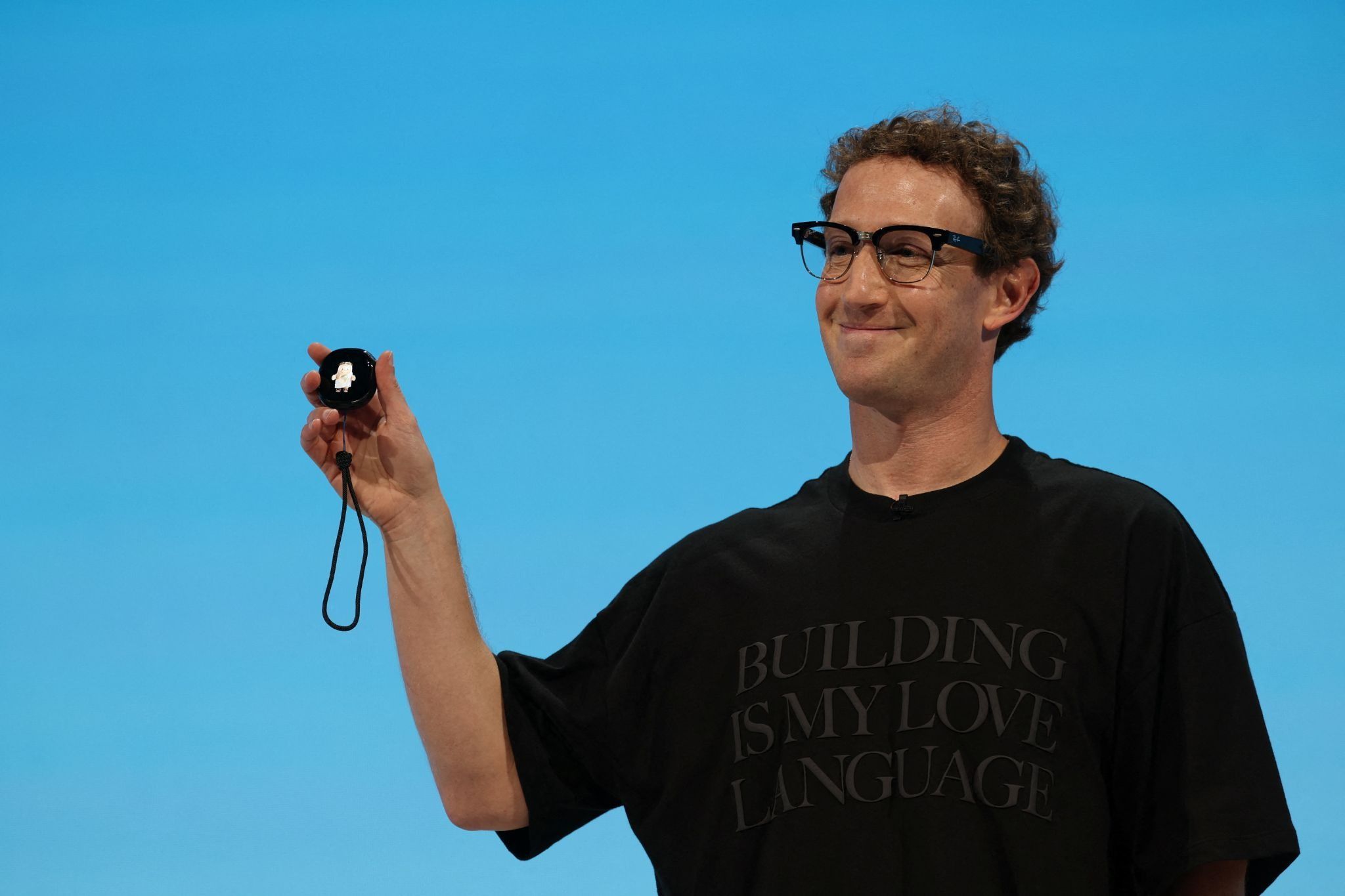
Apple and Meta said they would jointly release a new open-weight AI model designed to run on high-end Macs, ai…
A writer and entrepreneur opened his daily to-do list and found 156 items, and concluded that an AI assistant…

A Zenn contributor sorted AI use into three modes — AI as an assistant, AI running alongside people, and AI th…

A non-engineer operator says one person ships four smartphone apps on Google Play, three on the App Store, wit…
The walkthrough points the CLI at a local mock via the ANTHROPIC_BASE_URL environment variable

