
What happened
Meta CEO Mark Zuckerberg told the Financial Times that restricting access to Chinese AI models is unlikely to help the United States maintain its competitive position in AI. He argued instead that U.S. policymakers should focus on domestic technology challenges rather than banning advanced AI models from China.
Why it matters
The remarks arrive as Washington considers tougher measures against Chinese companies over concerns they may have benefited from U.S. technology. Zuckerberg's position signals that at least one major U.S. tech leader sees export controls as strategically ineffective—suggesting the debate over AI policy and U.S.–China competition is more complex than simple bans.
What to watch
The Trump administration introduced restrictions on Tuesday targeting imports of new Chinese-made robots and power inverters, signaling ongoing escalation in technology tensions. Zuckerberg proposed instead that the U.S. improve innovation, identify technical constraints, and strengthen domestic AI capabilities.
Summaries like this, in your inbox every morning.
The timing of Zuckerberg's remarks underscores a growing fault line in U.S. technology policy. As Washington grapples with how to respond to China's AI advances—amid claims that Chinese companies may have benefited from U.S. technology—Zuckerberg is arguing that the export-control route is a strategic dead-end. Rather than treating Chinese AI models as a threat to be blocked, he suggests the focus should turn inward: strengthening U.S. innovation capacity and removing domestic technical obstacles.
This position contrasts sharply with the Trump administration's concurrent move to restrict imports of Chinese robots and power inverters, signaling that the policy debate remains unsettled. The emergence of Moonshot AI's Kimi K3—positioned as a leading open-weight system with three trillion parameters—illustrates why the topic is urgent: Chinese startups are demonstrating competitive capabilities, particularly in coding tasks. Zuckerberg's argument is that bans will not alter that underlying technical reality; only domestic investment and innovation can sustain U.S. leadership.
Pick your industry and the AI tools you use, and get news related to your work every day.
Free · 30 seconds with Google · unsubscribe anytimeWhat is AIToday? →
Ask AI anything about this article. The AI reads this article, earlier AIToday articles, and Wikipedia, and cites its sources. Q&As are published on this page for other readers too.
Chunghwa Telecom president Rong-shy Lin said the shift from conversational AI to autonomous AI agents is resha…
CoreWeave fell 5% in premarket trading Friday and was on track to finish the week down 15%, after rebounding f…
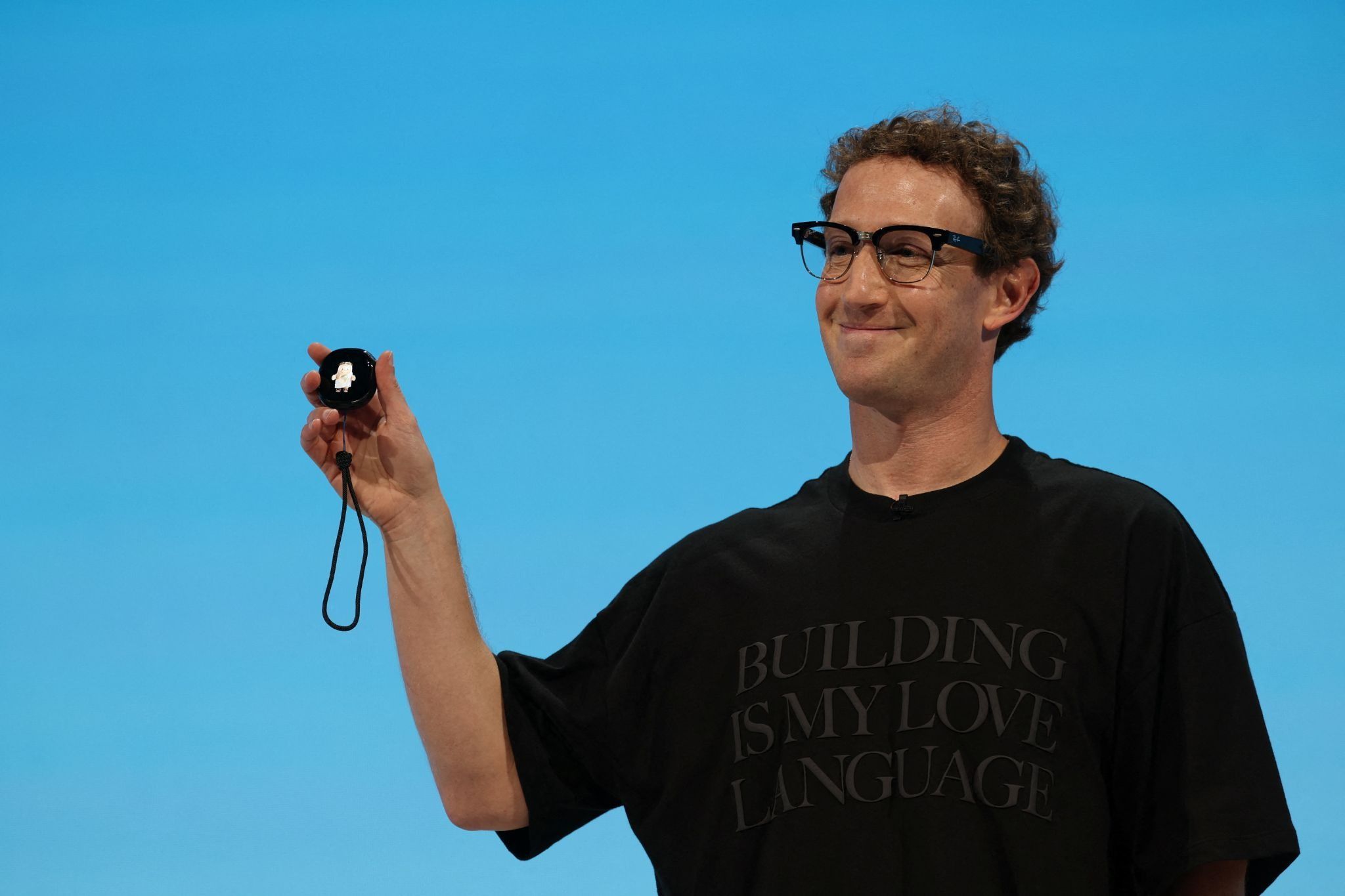
Apple and Meta said they would jointly release a new open-weight AI model designed to run on high-end Macs, ai…
Investors put $38.5 billion into Asian startups in Q3, per Crunchbase data

A longtime Anthropic investor told Fortune he expects shares priced around $1.8 trillion, below the company's…

In Q2, billionaires or their funds sold six 'Magnificent Seven' AI stocks