What happened
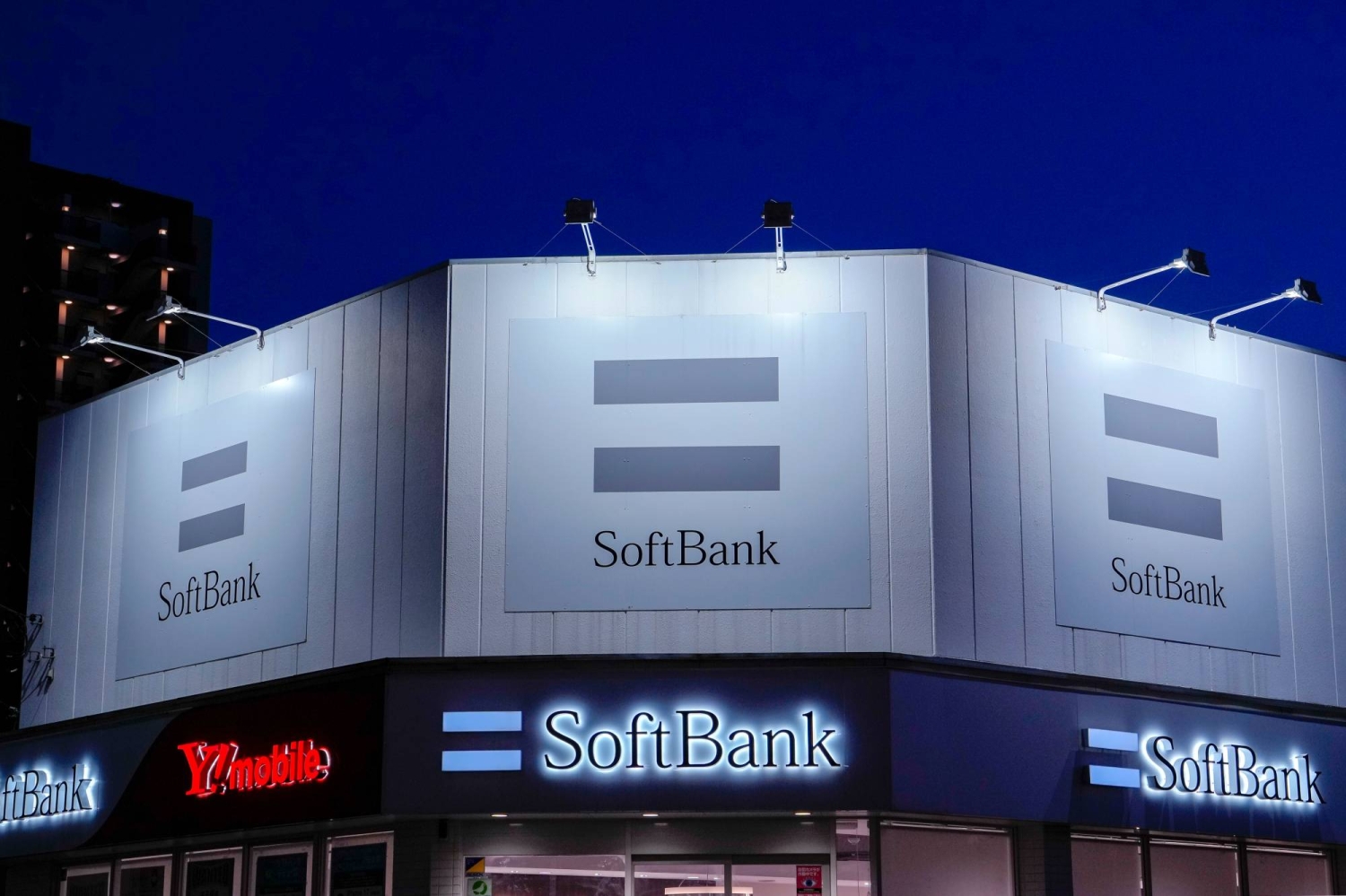
SoftBank raised roughly $11 billion in debt, including $1 billion of 3.5-year bonds at 8.625% and $4.5 billion of 5.5-year securities at 9.25%, to fund commitments nearing $65 billion to OpenAI.
Why it matters
The yields were the highest ever for SoftBank dollar bonds, so the deal is being read as a test of how debt investors view financing AI, at a time of growing warnings about the technology's risks.
What to watch
The outcome hinges on whether AI investments pay off for the biggest spenders, since global AI-related debt issuance already topped $575 billion in 2026. Watch SoftBank's credit default swap price, which rose this month to its highest since April 2025.
WHO IT HITSDebt investors and credit analysts gauging AI-related risk will read this deal as a signal, and companies funding AI through bond markets may face closer scrutiny on the cost of that debt.
Summaries like this, in your inbox every morning.
SoftBank has been active in debt markets this year, and this offering is one of the largest junk-bond deals on record. The company's borrowing costs landed higher than what it has paid before, even though demand was strong enough to lower pricing from initial ranges. Orders for the $10 billion dollar portion exceeded $30 billion as of late afternoon Wednesday in Asia.
The deal arrived alongside a broader wave of AI-related borrowing. Global AI-related debt issuance has already topped $575 billion in 2026, according to a recent report by Goldman Sachs Group credit strategists, and some bond investors worry that this growing pile of debt could cause a hangover for markets if the technology fails to pay off for the firms making the biggest investments. That unease shows up in the market for SoftBank's credit default swaps, where the price to insure against a failure to pay over the next five years rose this month to its highest since April 2025, when the bank disclosed a $30 billion investment in OpenAI.
Masayoshi Son has downplayed concerns about AI infrastructure investments, saying earlier this year that he expects AI-related industries to account for 20% of global output by 2040, equivalent to $46 trillion. The stakes of this deal appear to hinge on whether that payoff materializes for the firms spending the most — and on whether credit investors keep absorbing the debt while they wait.
Pick your industry and the AI tools you use, and get news related to your work every day.
Free · 30 seconds with Google · unsubscribe anytimeWhat is AIToday? →
Ask AI anything about this article. The AI reads this article, earlier AIToday articles, and Wikipedia, and cites its sources. Q&As are published on this page for other readers too.
Chunghwa Telecom president Rong-shy Lin said the shift from conversational AI to autonomous AI agents is resha…

CoreWeave fell 5% in premarket trading Friday and was on track to finish the week down 15%, after rebounding f…

Apple and Meta said they would jointly release a new open-weight AI model designed to run on high-end Macs, ai…

Investors put $38.5 billion into Asian startups in Q3, per Crunchbase data

A longtime Anthropic investor told Fortune he expects shares priced around $1.8 trillion, below the company's…

In Q2, billionaires or their funds sold six 'Magnificent Seven' AI stocks


