What happened
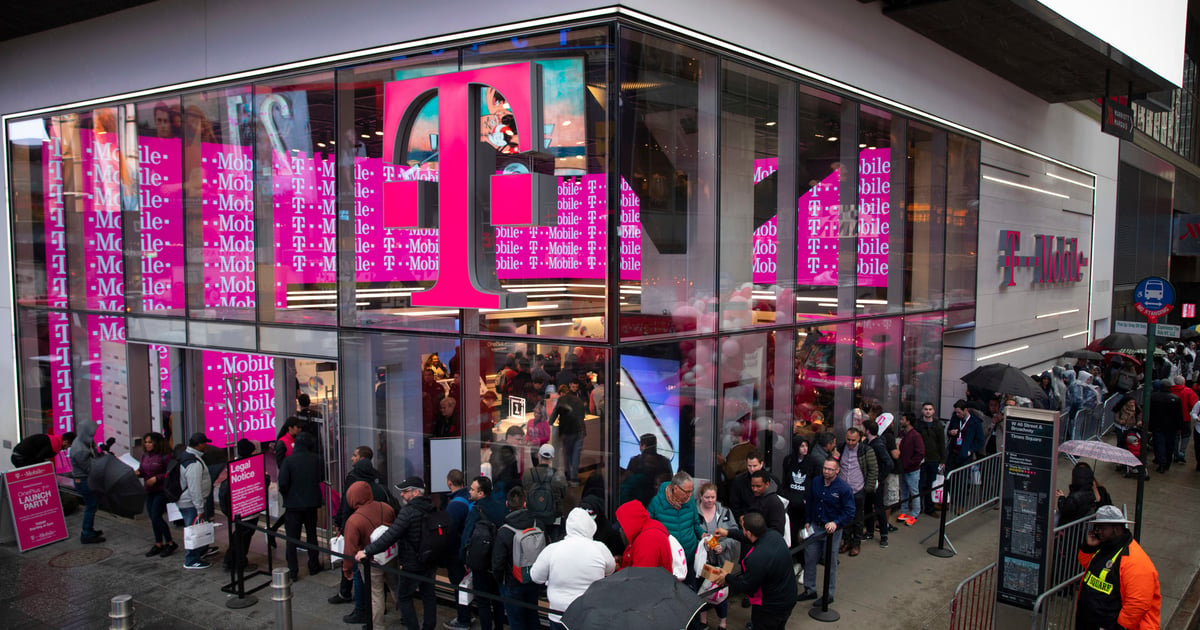
T-Mobile completed the "world's first" AI-RAN voice call in a live commercial network with Nokia and Nvidia, using Nokia's massive MIMO radio, anyRAN software and Nvidia's Aerial RAN computer (ARC) platform at a site near its headquarters.
Why it matters
The call moves AI-RAN from lab tests into a production network, a step Nokia CTO Pallavi Mahajan called "a moment from which there is no looking back" for software-defined RAN using accelerated computing.
WHO IT HITSTelecom network engineers and RAN planners at carriers now have a live-network proof point for AI-RAN, and the measured Ericsson beamforming gains may shape how quickly operators push software-only AI upgrades onto deployed 5G equipment.
Summaries like this, in your inbox every morning.
T-Mobile's twin announcements this week show it testing two different AI-RAN architectures at once. Nokia's approach relies on Nvidia's GPU-based Aerial RAN computer platform, while Ericsson uses its own silicon. The Nokia call, made in a live production network near T-Mobile's headquarters, is the first voice call of its kind according to Nokia, and comes about a year after the Finnish vendor partnered with Nvidia.
The Ericsson trial, run in T-Mobile's live 5G-Advanced network in New York City, delivered measurable gains during peak usage hours: 16% better downlink throughput, 12% better spectral efficiency and a 10% increase in downlink data volume. Omdia analyst Gabriel Brown called it a "wow moment" because the AI models run directly in the basestation and the gains came from software updates to deployed equipment. It was the second AI model T-Mobile deployed in Ericsson RAN this year, after an AI-native scheduler trial that showed 10% better spectral efficiency and a 15% increase in downlink throughput.
Brown noted that more AI models could be stacked, though it is not yet known how many can run simultaneously or what the combined gain would be. Nokia said its next field-trial phase will explore other spectrum bands and support AI inferencing workloads alongside RAN functions, suggesting the carrier is still mapping out how far these software-defined gains can go.
Pick your industry and the AI tools you use, and get news related to your work every day.
Free · 30 seconds with Google · unsubscribe anytimeWhat is AIToday? →
Ask AI anything about this article. The AI reads this article, earlier AIToday articles, and Wikipedia, and cites its sources. Q&As are published on this page for other readers too.
Procter & Gamble and Western Digital are scheduled to report earnings on Thursday, per Benzinga's preview

Walmart will allow AI agents on its site next month, with approvals and spending limits; shoppers can set budg…
Micron stock received a welcome AI boost following a tough few weeks, Barron's reports
Two US senators launched an inquiry into Google's AI push in schools, citing 'grave concerns' in an exclusive…

IronSight AI and Fast Iron announced a partnership integrating IronSight's image recognition into Fast Iron's…
Walmart is welcoming AI agents for shopping, while Amazon is blocking an agent called Muse, Axios reports