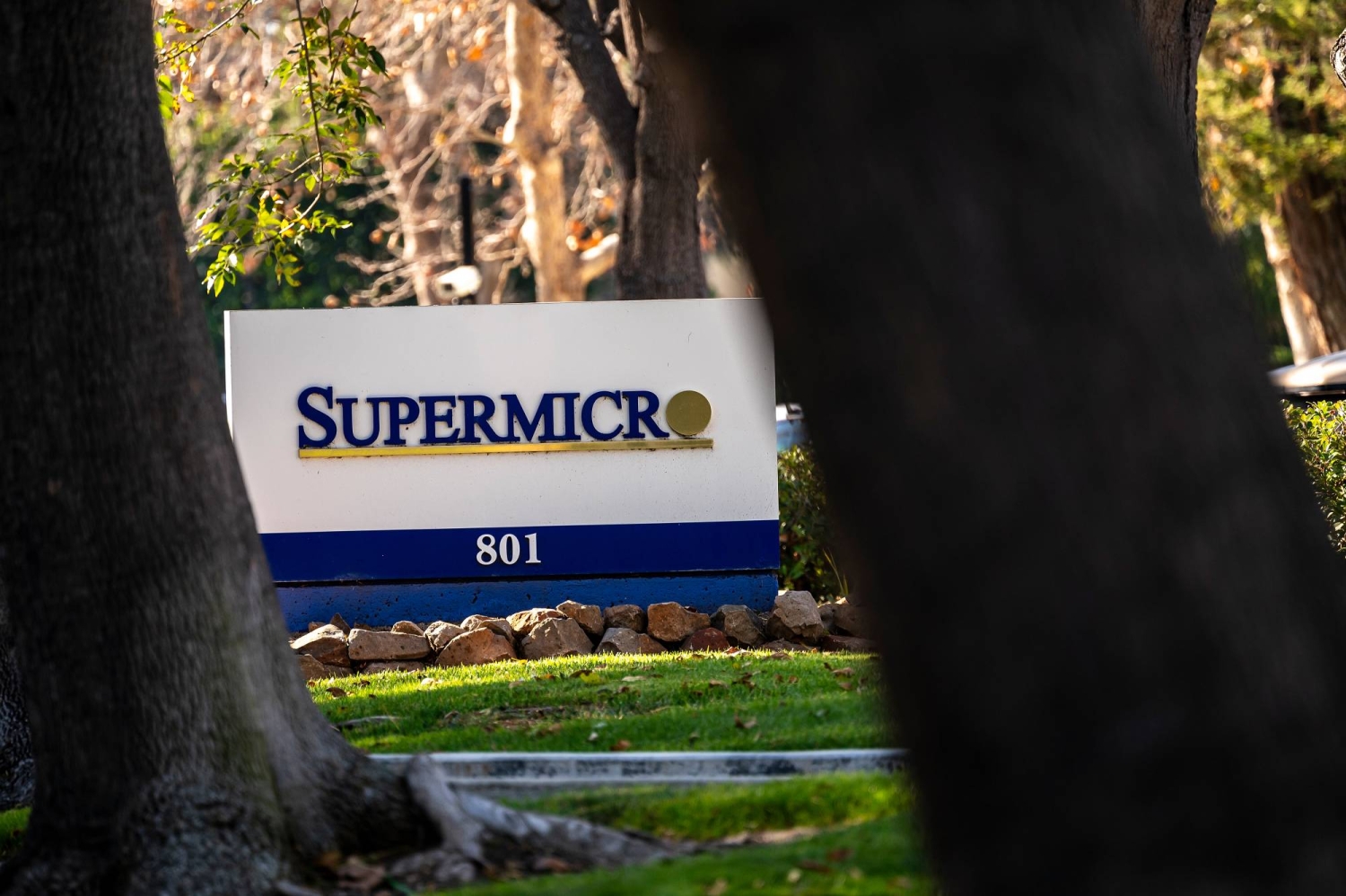
What happened
Taiwan authorities raided the offices of Super Micro Computer and several of its local affiliates, as well as the residences of six people, as part of an investigation into alleged illegal export of the company's servers used to smuggle Nvidia chips into China. Super Micro said it is cooperating with authorities, and its shares fell 8% in U.S. trading.
Why it matters
This marks Taiwan's first public crackdown on AI chip diversion following years of U.S. pressure to curtail China's access to advanced technology. The U.S. has long restricted exports of advanced AI chips to China over concerns the hardware could benefit Beijing's military efforts, making Taiwan's enforcement action a significant step in that broader effort.
What to watch
The investigation is ongoing, with Taiwan's Keelung District Prosecutors Office leading the probe. The scope extends beyond Super Micro itself to three affiliated companies, suggesting the authorities are examining a broader network.
Summaries like this, in your inbox every morning.
Pick your industry and the AI tools you use, and get news related to your work every day.
Free · 30 seconds with Google · unsubscribe anytimeWhat is AIToday? →
Ask AI anything about this article. The AI reads this article, earlier AIToday articles, and Wikipedia, and cites its sources. Q&As are published on this page for other readers too.
CoreWeave fell 5% in premarket trading Friday and was on track to finish the week down 15%, after rebounding f…
A longtime Anthropic investor told Fortune he expects shares priced around $1.8 trillion, below the company's…

In Q2, billionaires or their funds sold six 'Magnificent Seven' AI stocks

Nvidia was rising early Friday, even as the wider chip sector kept falling, Barron's reported
TSMC reported about NT$763.1b in Q3 net profit and confirmed that demand for advanced processors is running ah…

Nvidia-backed CoreWeave steadied Thursday after a sharp slump, as investors worried about the debt financing b…