What happened
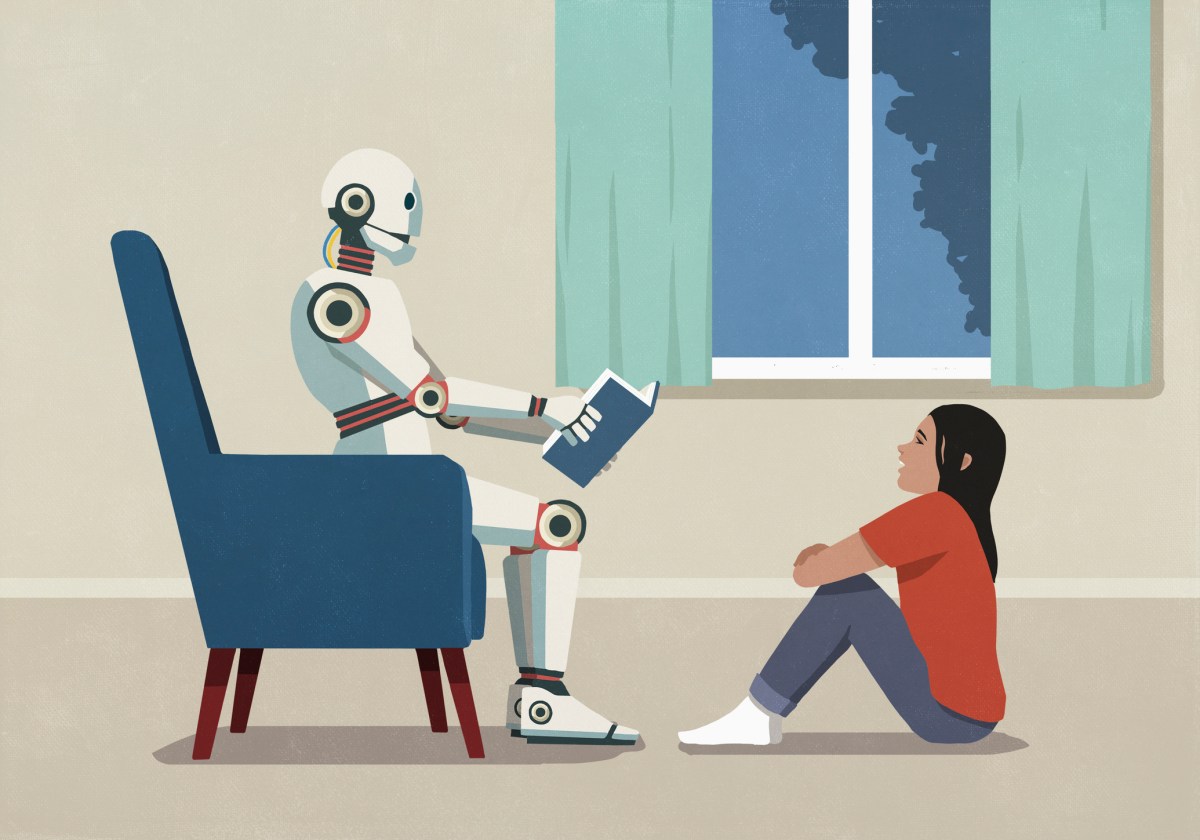
Meta is piloting StoryKit, an AI app that generates personalized children's stories with custom characters, settings, lessons, and music. Users select or create a character by photographing a toy or person, describe the story world, choose a lesson (kindness, courage, empathy), and the app writes and illustrates the tale. The app is currently in select countries and restricted to users over 18.
Why it matters
The app outsources one of humanity's oldest creative acts—making up stories for children—to AI. While parents face exhausting schedules, the app trades live imagination and parent-child connection for algorithmically generated narratives, raising questions about whether convenience should displace the human creativity and spontaneity that have always defined bedtime storytelling.
What to watch
Meta described StoryKit as a "creative storytelling app" with AI safety filters and no social features. The company is currently testing user reception in pilot countries before any wider rollout.
Summaries like this, in your inbox every morning.
Meta's StoryKit sits at the intersection of parental exhaustion and technological convenience—a product that acknowledges the reality of busy family life while offering a solution that replaces human creativity with AI-generated scripts. The app's design is straightforward: parents provide input (a photo, a setting, a moral), and the system handles the rest. Meta positioned it carefully, with safety filters and an 18+ user restriction, suggesting the company anticipated concern about children consuming algorithmically generated narratives.
The app's existence highlights a deeper tension. Bedtime storytelling has never required originality; parents have always drawn from existing tales, myths, and fables, adapting them for their audience. What StoryKit removes, however, is the live performance—the silliness, the spontaneous tangents, the moments where a child's interruption or request reshapes the story in real time. Those moments are inherently unpredictable and tied to the specific relationship between parent and child. An AI-generated story, by design, optimizes for predictability: it weaves in lessons "without it feeling like a lecture," meaning it calculates the most algorithmically sound way to deliver a message. The question the article frames is whether that trade—convenience for connection—is one parents should choose to make.
For example, today's edition would include:
AI-summarized, only the topics you pick — one digest a day via Email, LINE, or Slack.
Free · 30 seconds with Google · unsubscribe anytimeWhat is AIToday? →
Ask AI anything about this article. Q&As are published on this page for other readers too.
AWS launched Strands Harness, an open-source AI agent that runs locally or in any cloud, with downloads on Git…
At Dreamforce 2026, Salesforce CEO Marc Benioff announced AIforce, a new AI interface layer, and shared more d…

Rebellions expanded its neural processing units across four commercial SK Telecom services, with the infrastru…

Cisco pushed Splunk AI deeper into private-cloud, on-premises and air-gapped environments via an AI POD packag…

Broadcom projected $21.7 billion in fiscal fourth-quarter AI semiconductor revenue, alongside about $34.8 bill…

ByteDance launched Dramagic, an AI platform for short dramas and videos