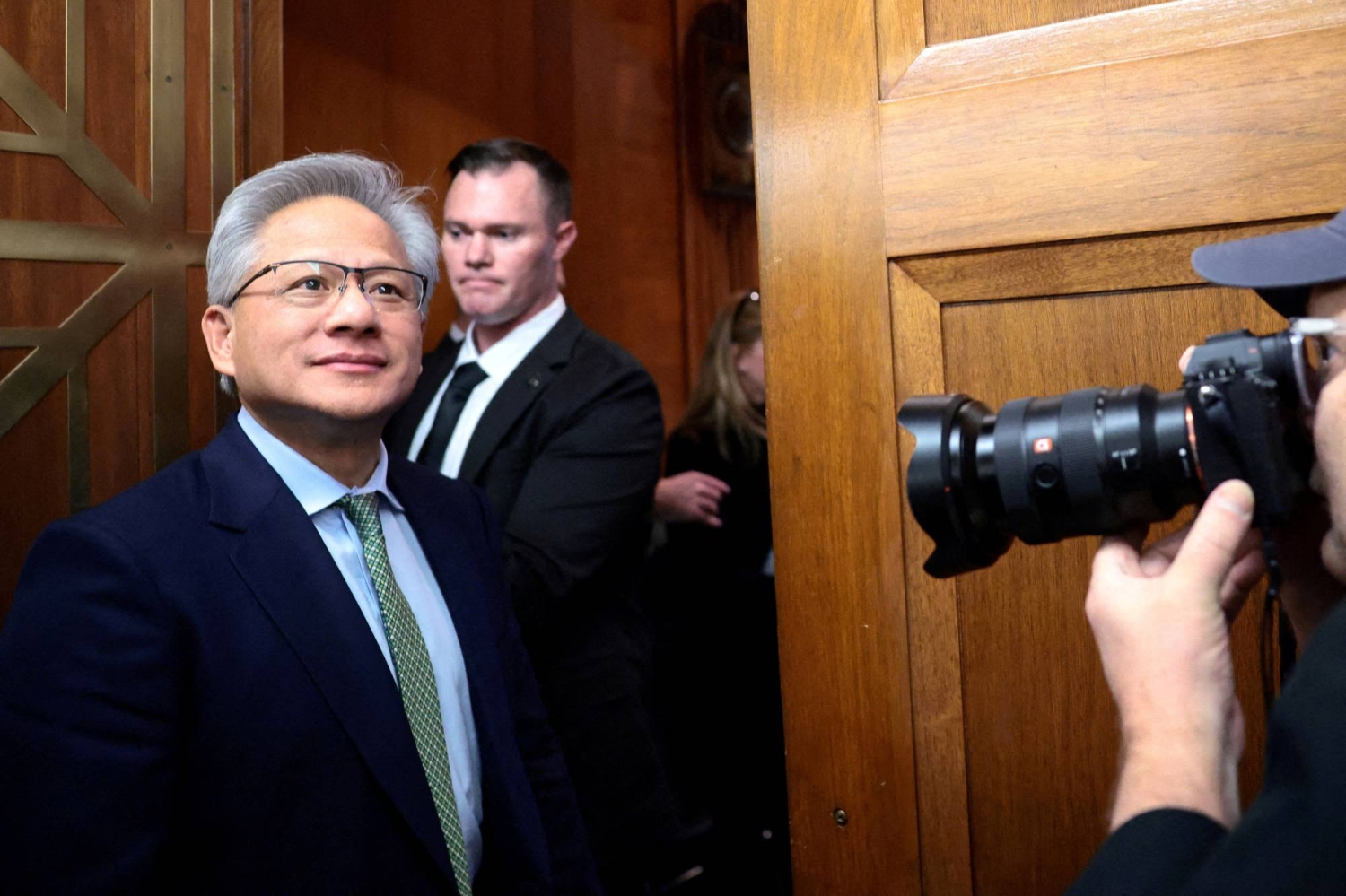
What happened
Washington has imposed and revised rules restricting China's access to advanced semiconductors and chipmaking technology, and Nvidia — the top U.S. exporter of AI chips to China — has been thrust into the spotlight.
Why it matters
Export control rules are often likened to the U.S. tax code in their complexity and constant revision, and the U.S. is balancing national security concerns with trade considerations.
Summaries like this, every morning.
Washington's approach to restricting China's access to advanced semiconductors has not been a single fixed policy but a series of imposed and revised rules. That pattern of constant revision is what makes the regime so hard to follow, with export controls compared to the U.S. tax code in their complexity. The U.S. is trying to preserve its lead in AI chips while balancing national security concerns with trade considerations. Nvidia, as the top U.S. exporter of AI chips to China, has become the focal point of that tension, and the attention on the company has in turn pushed the underlying rules into the spotlight.
Pick your industry and the AI tools you use, and get news related to your work every day.
Free · 30 seconds with Google · unsubscribe anytimeWhat is AIToday? →
Ask AI anything about this article. The AI reads this article, earlier AIToday articles, and Wikipedia, and cites its sources. Q&As are published on this page for other readers too.
THA president Asako Nishiyama will join the first session of 未来共創CROSS on December 1, 2026, at NCB Hall in Fuk…

The Digital Agency said a public call for Japanese-made large language models for ガバメントAI 源内 in 令和9年度(2027年度)…

Meta Platforms and Alphabet look like discounted buys, with Meta trading at 20x forward earnings and Alphabet…

CME FedWatch shows a 100% chance of a rate hike on Dec
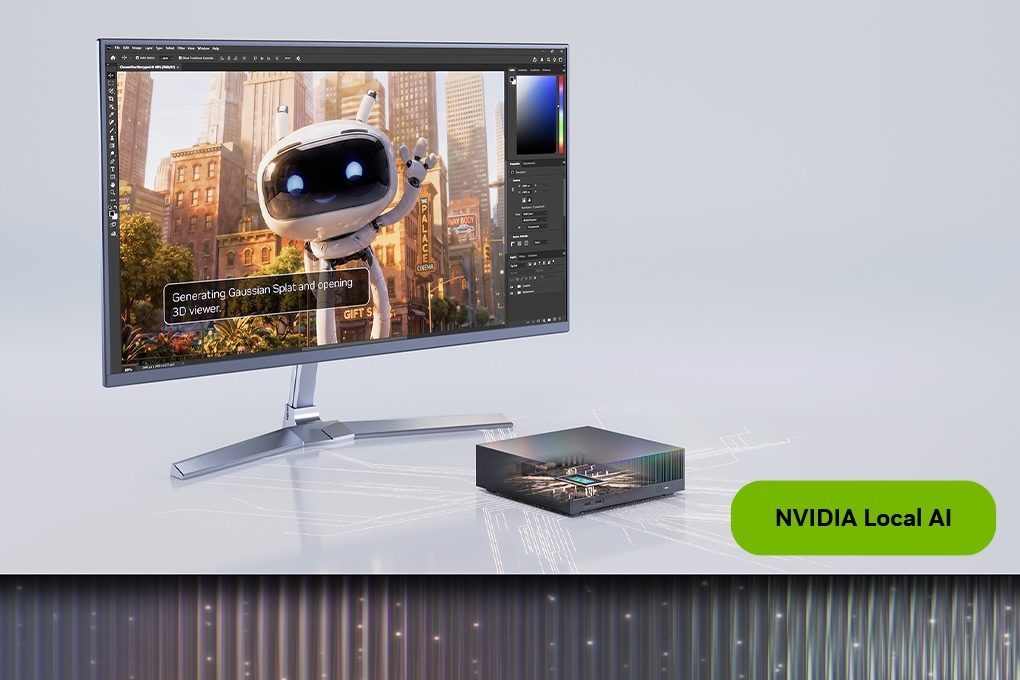
NVIDIA said on November 27 that its RTX Spark compact desktop is on sale from ASUS, Dell and MSI, with a 20-co…
Foreign investors net-sold NT$1.09 trillion (about $33.1 billion) of Taiwanese shares in November, beating Oct…


