What happened
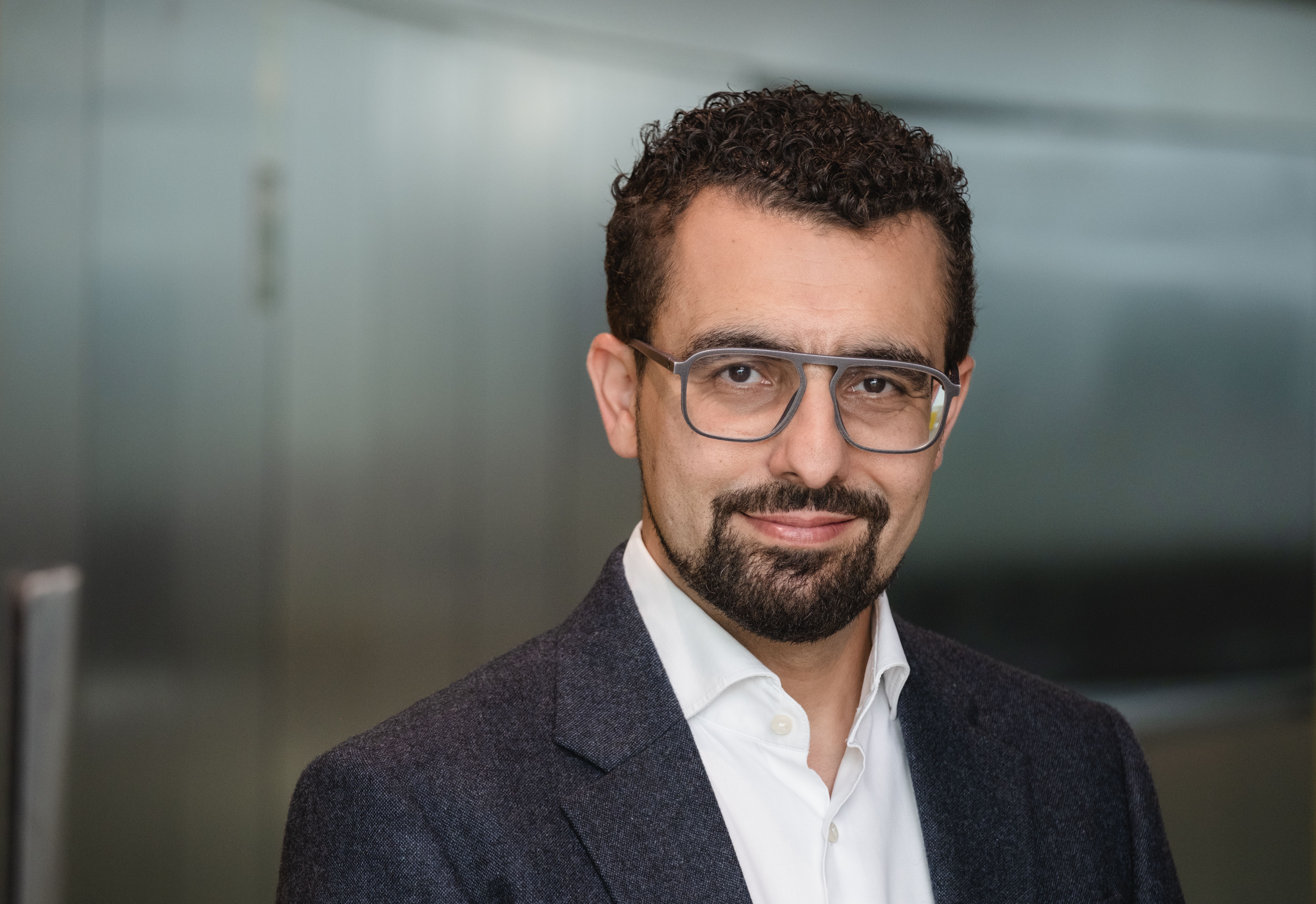
Walid Mehanna, chief data and A.I. officer at Germany's Merck KGaA (the world's oldest pharmaceutical company, founded in the 17th century), is guiding the company's 62,000 employees through a three-layer A.I. strategy: everyday tools for productivity, embedded A.I. in core workflows like R&D and supply chains, and eventually product A.I. for drug discovery. The company deployed an internal platform called MyGPT in June 2023, then replaced it within a year by partnering with LangDock, a Berlin-based startup, to build a GDPR-compliant, model-agnostic system hosted in its own environment.
Why it matters
Mehanna has shifted from believing the competitive edge lies in foundational models to holding that durable advantage comes from an organization's data, processes, workforce fluency, and customer trust—a view that challenges the assumption that the "best model" will win. For enterprises, this means the infrastructure and governance layer (not just the AI vendor) determines success; Merck KGaA's approach to privacy-protected A.I. (analyzing over 12 million internally-generated prompts at an aggregate level only, never monitoring individuals) shows how companies can move fast while meeting strict European regulation and labor relations requirements.
What to watch
Mehanna's Digital Ethics Advisory Panel, guided by five principles (autonomy, beneficence, non-maleficence, justice, and transparency), pushes teams to identify risks and design safeguards before launch rather than simply approving or rejecting projects. Teams now integrate data incrementally (process by process) rather than via a company-wide semantic layer, reflecting a matured view of how to scale A.I. across a large, regulated enterprise.
Summaries like this, in your inbox every morning.
Merck KGaA's approach to A.I. reflects a maturing enterprise perspective that moves beyond the model-centric thinking of the early generative A.I. era. When ChatGPT sparked a global corporate rush in late 2022, Mehanna had already spent two years rebuilding the company's data and analytics backbone; his role was elevated to chief data and A.I. officer roughly eight months into the GPT era. That grounding in data infrastructure gave him a realistic view of what actually drives value at scale. His "pyramid" model—everyday tools at the base, embedded workflows in the middle, and product A.I. at the top—reflects a deliberate, phased approach rather than a reactive scramble. The shift from MyGPT to partnering with LangDock (a startup with $50,000 in annual recurring revenue at the time) underscores a calculated trade-off: rather than lock the company into a single vendor, Merck KGaA chose speed, sovereignty, and optionality. That choice is particularly significant for a 350-year-old company operating under strict European regulatory frameworks and strong labor-relations customs.
Mehanna's governance and ethics strategy further illustrates the gap between A.I. hype and enterprise reality. His comparison of guardrails to high-performance car brakes—essential to enable speed, not to slow it—reframes governance as enabler rather than brake. The Digital Ethics Advisory Panel's five-principle framework (autonomy, beneficence, non-maleficence, justice, transparency) and its emphasis on early risk identification before launch rather than post-hoc approval reflects hard-won experience managing large organizations through technological transitions. His earlier role at Mercedes-Benz (five years as chief data officer) clearly informed this philosophy. For Merck KGaA's 62,000 employees, the privacy protection (aggregate-level analysis only, no individual monitoring of the 12 million internally-generated prompts) demonstrates how to scale A.I. adoption while meeting both regulatory requirements and workforce expectations.
Pick your industry and the AI tools you use, and get news related to your work every day.
Free · 30 seconds with Google · unsubscribe anytimeWhat is AIToday? →
Ask AI anything about this article. The AI reads this article, earlier AIToday articles, and Wikipedia, and cites its sources. Q&As are published on this page for other readers too.
Holtek Semiconductor unveiled its 2026 product roadmap on October 15, focusing on four core areas: smart prote…
Supermicro Computer appointed Mark Long as chief financial officer, bringing an experienced technology finance…
TSMC reported about NT$763.1b in Q3 net profit and confirmed that demand for advanced processors is running ah…

Nvidia-backed CoreWeave steadied Thursday after a sharp slump, as investors worried about the debt financing b…
TOPPAN Holdings and Keio University ran a quantum-computer and generative-AI proof-of-concept from February 1…
Weathernews said on October 15 it implemented its own AI weather-forecasting model, AI-Nowcast, in its Weather…