What happened
An open-source reverse proxy for Large Language Models has been released that intercepts API requests, redacts Personally Identifiable Information (PII) and secrets before they leave your infrastructure, and re-hydrates Server-Sent Event (SSE) responses with minimal latency. The proxy runs locally within a corporate VPC, requires less than 60MB of RAM in standard mode, and works with OpenAI-compatible APIs without requiring code changes—you only need to change your SDK's base_url endpoint.
Why it matters
Enterprises using cloud LLM providers (OpenAI, Anthropic, Google, DeepSeek, Mistral) face a compliance dilemma: sending sensitive data to external APIs violates SOC 2, HIPAA, and GDPR rules, yet existing local PII-detection tools (Microsoft Presidio, spaCy) consume 1GB+ of RAM and add 50–150ms latency per request, breaking real-time chat. LLM-Shield-Proxy solves this by running deterministic pattern matching and optional neural entity extraction (BERT-NER via ONNX) entirely within your VPC, keeping sensitive prompts and responses inside your corporate boundary with no persistent storage.
What to watch
The proxy offers two redaction modes—Synthetic Swapping (default, substitutes PII with realistic placeholder names to preserve LLM token efficiency) and Structural Tagging (bracketed labels for audit trails). It supports custom regex injection via a YAML file using the re2 C++ engine for ReDoS immunity. A quantized ONNX NER model can be added for conversational entity detection (>95% F1 recall) by installing the [ner] extra, adding 45–65MB RAM; enterprises can plug in domain-specific models (BioBERT for healthcare, Legal-BERT for contracts) by pointing ONNX_MODEL_PATH.
Summaries like this, in your inbox every morning.
The problem LLM-Shield-Proxy addresses is a fundamental tension in enterprise AI adoption: organizations sending requests to external LLM providers (OpenAI, Anthropic, Google, DeepSeek, Mistral) must comply with SOC 2, HIPAA, and GDPR regulations that prohibit unmasked PII egress, yet the existing open-source solutions for local PII detection—chiefly Microsoft Presidio and spaCy—carry heavy memory and latency penalties (1GB+ RAM, 50–150ms per request) that are incompatible with real-time streaming chat interfaces.
LLM-Shield-Proxy reduces this to a solved problem by operating a three-tier detection architecture entirely within a corporate VPC. Tier 1 uses regex to catch structured PII (SSNs, email addresses, IP/MAC addresses) and high-entropy secrets (API keys, hex tokens) with deterministic accuracy. Tier 2 applies Shannon entropy scoring to identify cryptographic tokens by statistical signature alone. For organizations requiring higher recall on conversational PII (patient names, organization names buried in free text), Tier 3 optionally layers in a quantized BERT-NER model via ONNX runtime, claiming >95% F1 recall on benchmark datasets while staying under 65MB additional RAM—roughly one-tenth the footprint of Presidio or spaCy.
The architectural innovation is that the proxy operates as a drop-in reverse proxy requiring zero code changes, no external API calls, no persistent storage, and submicrosecond latency overhead. Because it natively implements the OpenAI API schema, an existing application routing requests to OpenAI need only change its endpoint URL; the proxy transparently intercepts, redacts deterministically, re-synthesizes streaming packets (using either realistic placeholder names or bracketed tags), and forwards the masked payload upstream. This "zero-egress" model keeps sensitive prompts and responses within the corporate boundary at all times.
Pick your industry and the AI tools you use, and get news related to your work every day.
Free · 30 seconds with Google · unsubscribe anytimeWhat is AIToday? →
Ask AI anything about this article. The AI reads this article, earlier AIToday articles, and Wikipedia, and cites its sources. Q&As are published on this page for other readers too.
ElevenLabs completed a $300 million employee tender at a $22 billion valuation, and co-founder Mati Staniszews…

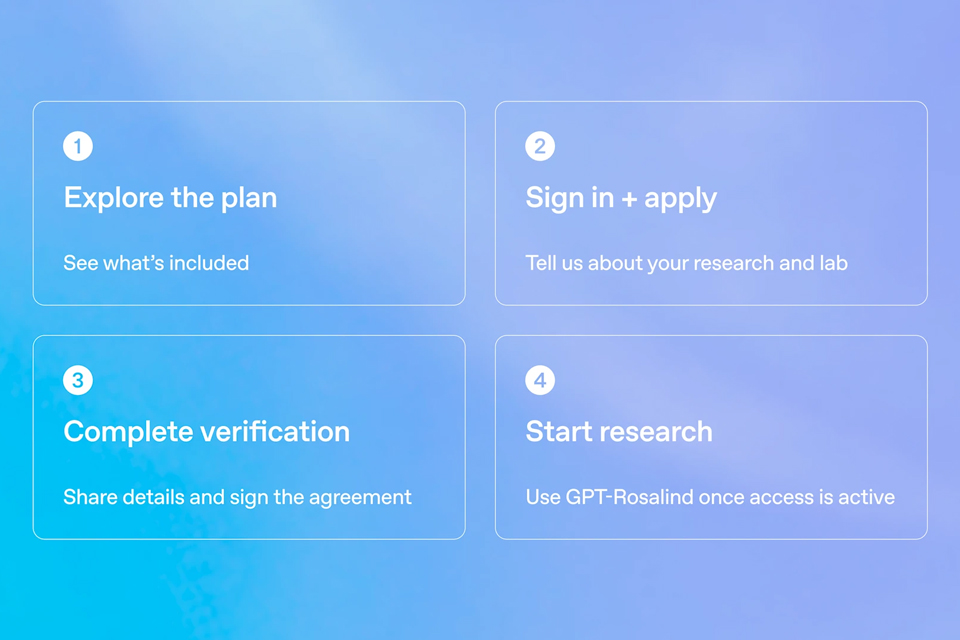
On October 15, OpenAI announced the Rosalind Academic Plan, giving approved US university labs free access to…
A Qiita article compared automated red-teaming methods for LLM apps — GCG, PAIR, and TAP — using mock implemen…

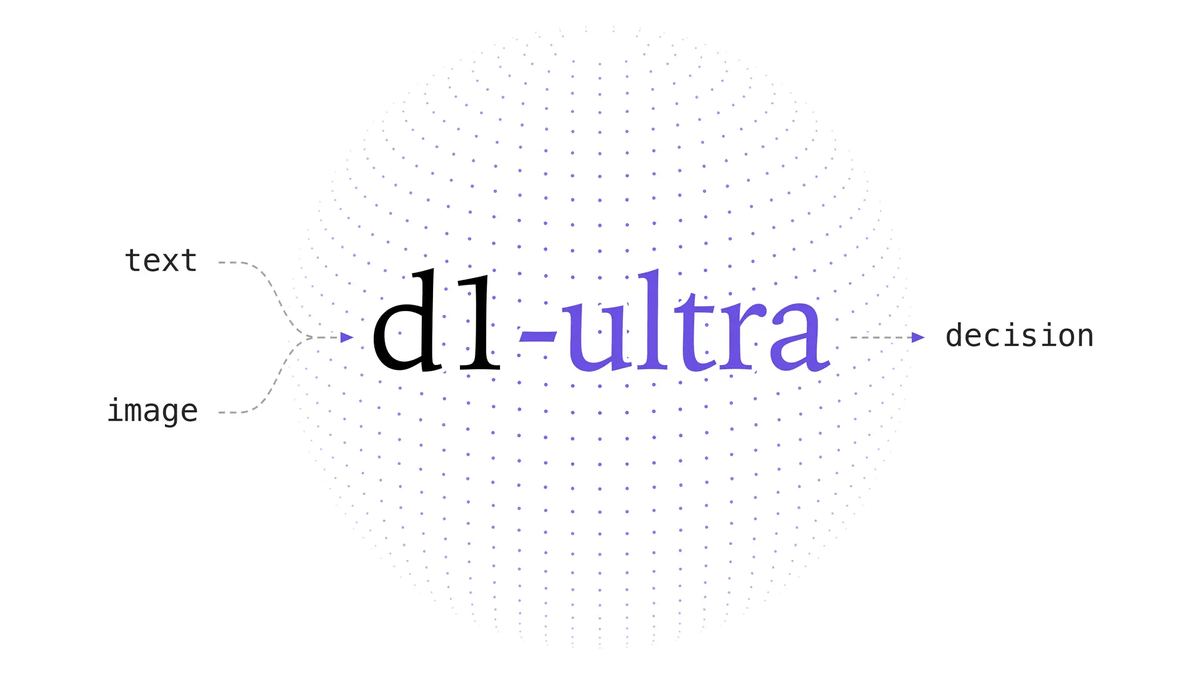
Liquid AI released d1-ultra on October 15, 2026, an upgraded open-weights decision model that averaged 76.7 ac…
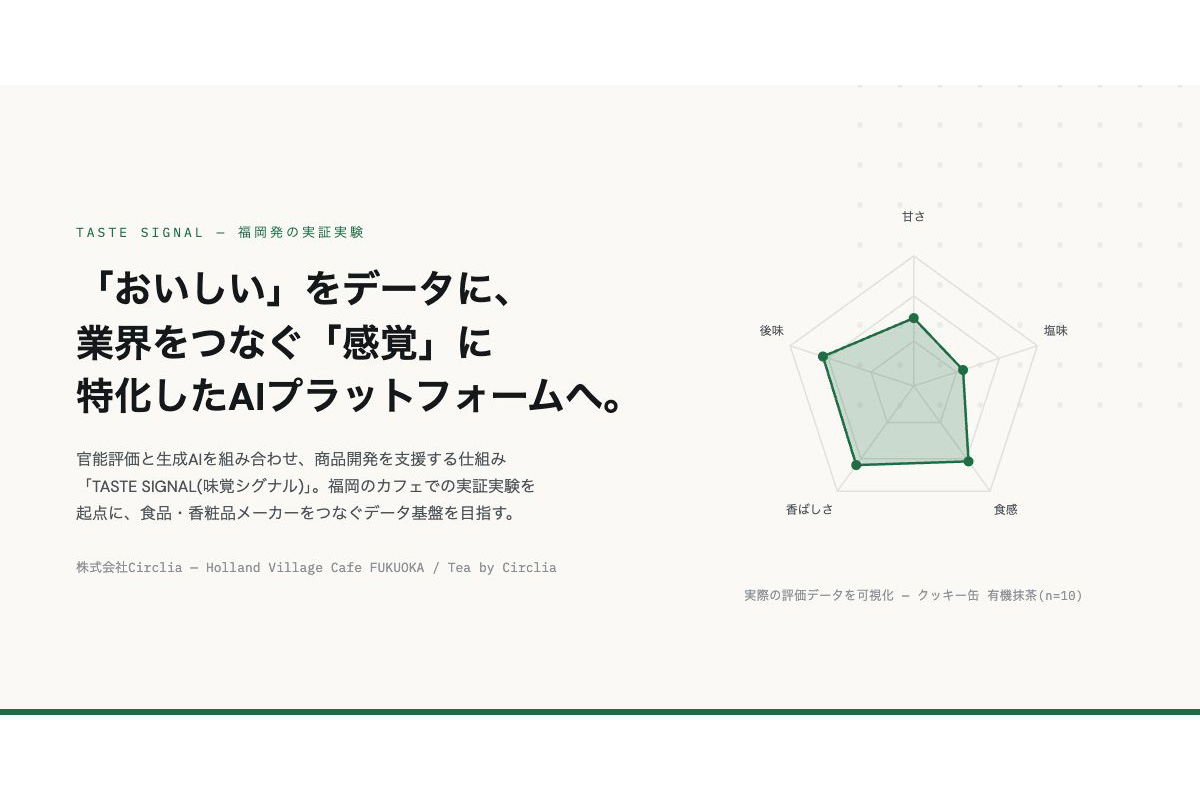
Circlia started a proof-of-concept for TASTE SIGNAL: visitors to Holland Village Cafe FUKUOKA taste cookies an…
In a webinar hosted by French Mathematical Society president Isabelle Gallagher, Fields Medal winner Hugo Dumi…

