
What happened
An untold number of Claude conversations and Artifacts (interactive mini apps built inside Claude) became publicly searchable on Google over the weekend after Reddit users discovered that search operators like "site:claude.ai/share" surfaced shared conversations. Some exposed chats contained health records, private company documents, and names and phone numbers of children. By Monday afternoon, the exposure appeared to have been remediated, as the same Google search method no longer returned results.
Why it matters
The issue stems from Claude's "share chat" feature, which creates links anyone with the URL can view—language designed to imply private sharing with specific people, similar to Google Docs. However, when these links are posted publicly on forums or social media, search engines index them. Anthropic blamed users for posting links publicly rather than sharing them privately, but the incident reveals a gap between user expectations (private sharing) and what actually happens when a link becomes discoverable.
What to watch
Users can review their exposed chats by going to Settings → Privacy → Shared Chats. This is the second similar incident in a year—Forbes reported nearly 600 Claude chats indexed by Google last year. The exposure included not just sensitive data but also a chat labeled "shared by Anthropic" that produced sexually explicit content, violating Anthropic's usage policy against generating such material.
Summaries like this, in your inbox every morning.
The exposure of Claude conversations on Google search illustrates a recurring tension in web sharing: the difference between a link being theoretically private and what happens when that link enters the public internet. Claude's "share chat" feature uses language similar to Google Docs—"Anyone with the link can view"—which most users would reasonably interpret as a private-link system for intended recipients. However, when users paste these links into public forums, social media, or other indexed web content, search engines treat them like any other public URL and index them.
Anthropologic's response—that the company does not publish sitemaps and blames users for posting links publicly—is technically defensible but misses the user-expectation problem. Google Docs, which offers the same share-by-link model, does not see its private documents surface in search because those links are rarely pasted into public, indexed spaces and because Google (the search engine) respects the site owner's robots.txt directives. Claude could arguably implement stronger guardrails: robots.txt rules to block /share URLs, noindex meta tags on shared conversation pages, or clearer interface language distinguishing between "private link sharing" and "public posting." This is the second major incident of this kind in a year—Forbes reported nearly 600 Claude chats indexed last year—suggesting the issue is systemic rather than isolated.
Pick your industry and the AI tools you use, and get news related to your work every day.
Free · 30 seconds with Google · unsubscribe anytimeWhat is AIToday? →
Ask AI anything about this article. The AI reads this article, earlier AIToday articles, and Wikipedia, and cites its sources. Q&As are published on this page for other readers too.
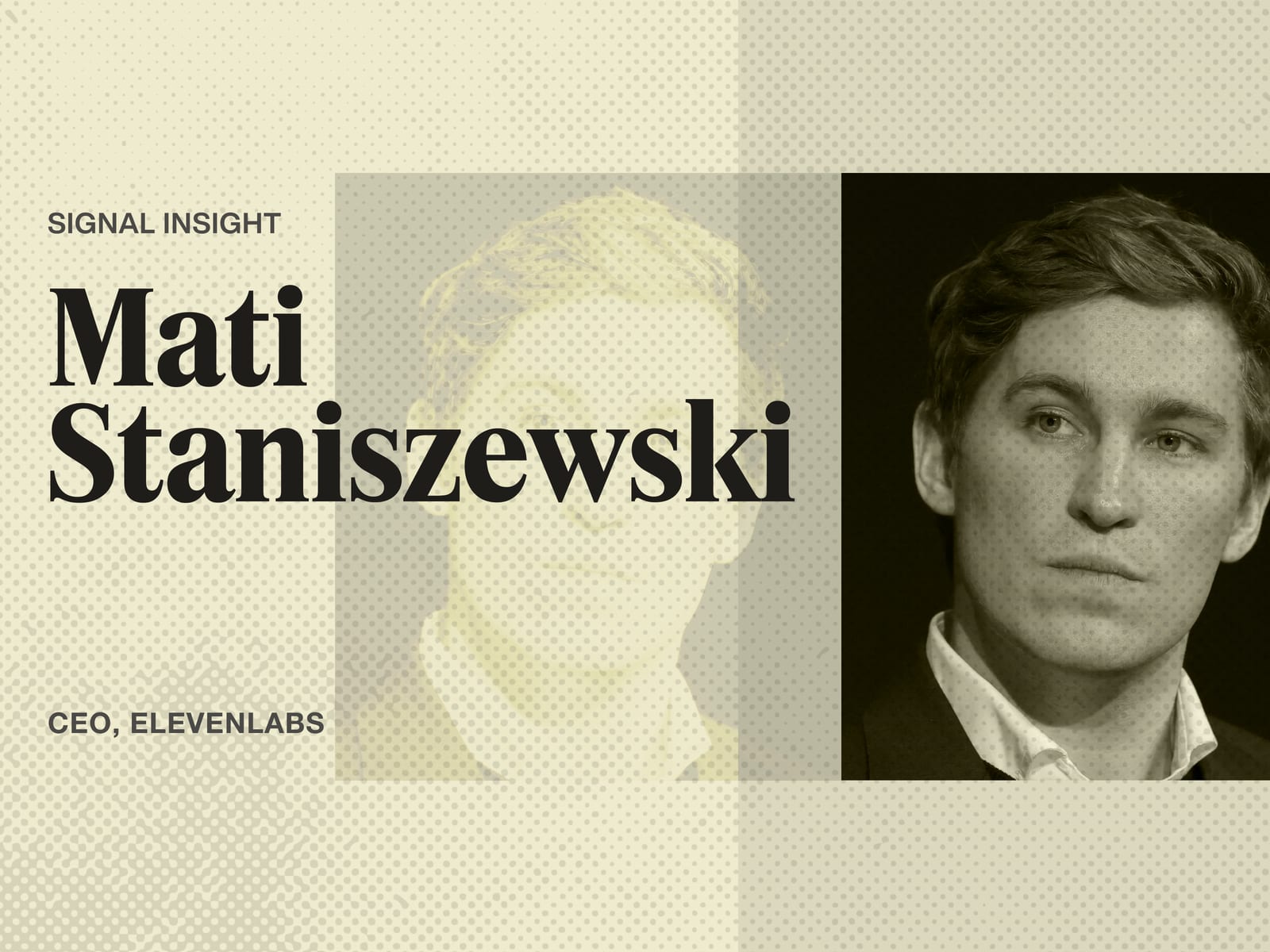
ElevenLabs completed a $300 million employee tender at a $22 billion valuation, and co-founder Mati Staniszews…
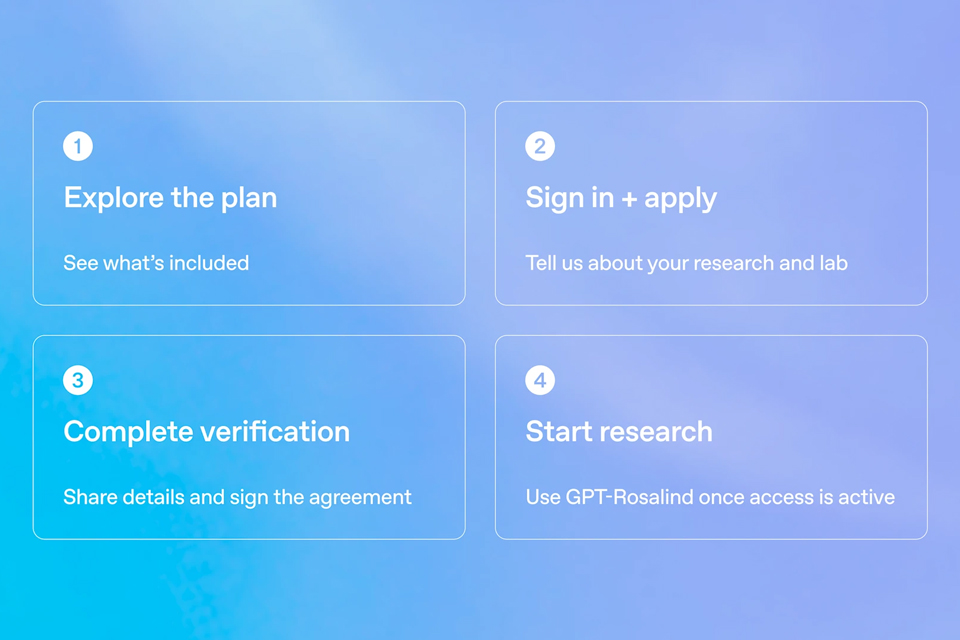
On October 15, OpenAI announced the Rosalind Academic Plan, giving approved US university labs free access to…
A Qiita article compared automated red-teaming methods for LLM apps — GCG, PAIR, and TAP — using mock implemen…

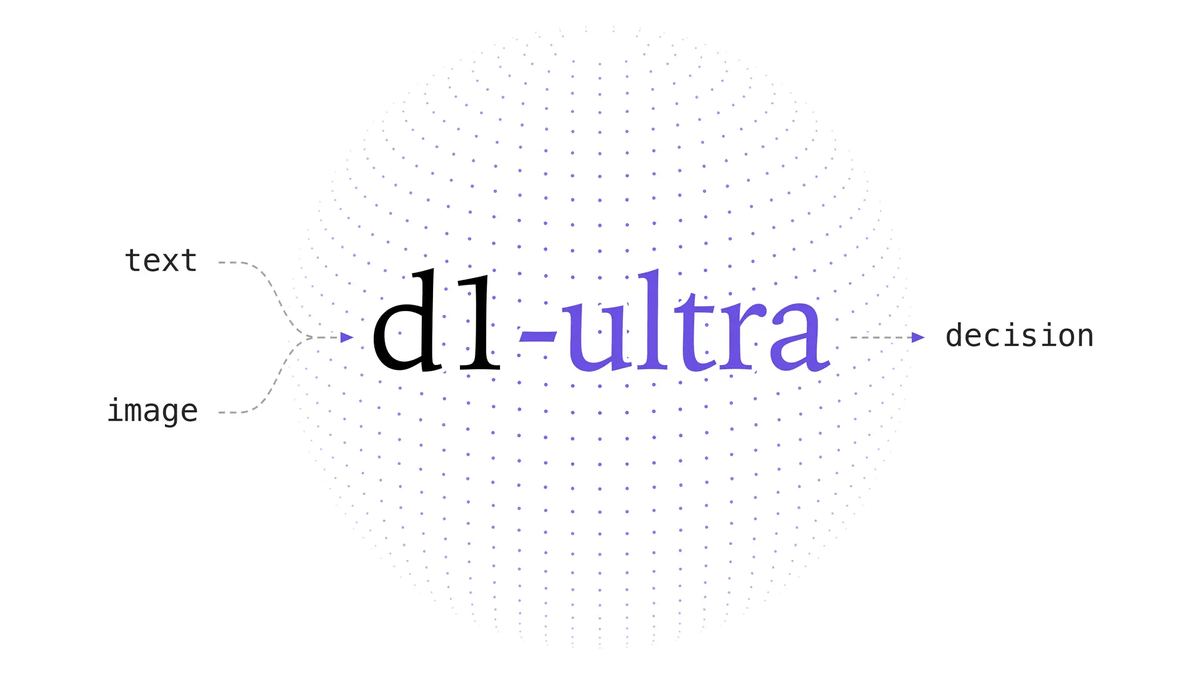
Liquid AI released d1-ultra on October 15, 2026, an upgraded open-weights decision model that averaged 76.7 ac…
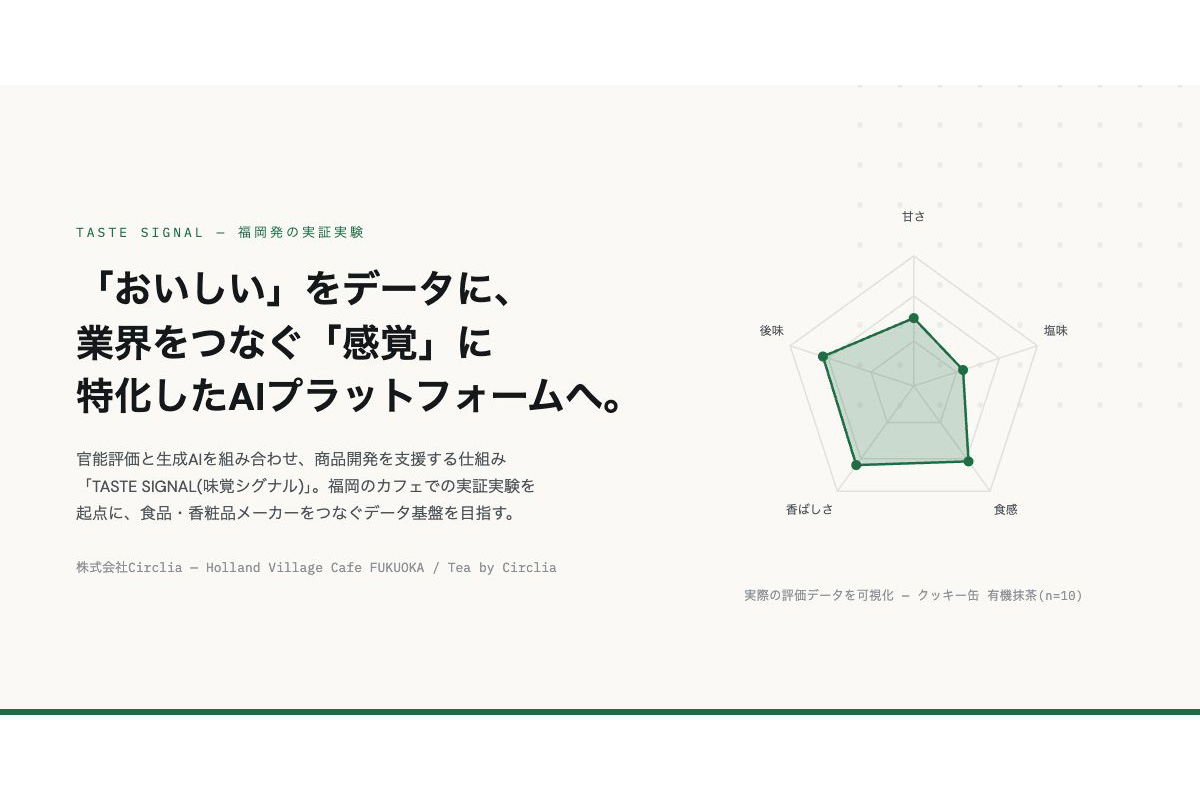
Circlia started a proof-of-concept for TASTE SIGNAL: visitors to Holland Village Cafe FUKUOKA taste cookies an…
In a webinar hosted by French Mathematical Society president Isabelle Gallagher, Fields Medal winner Hugo Dumi…

