What happened
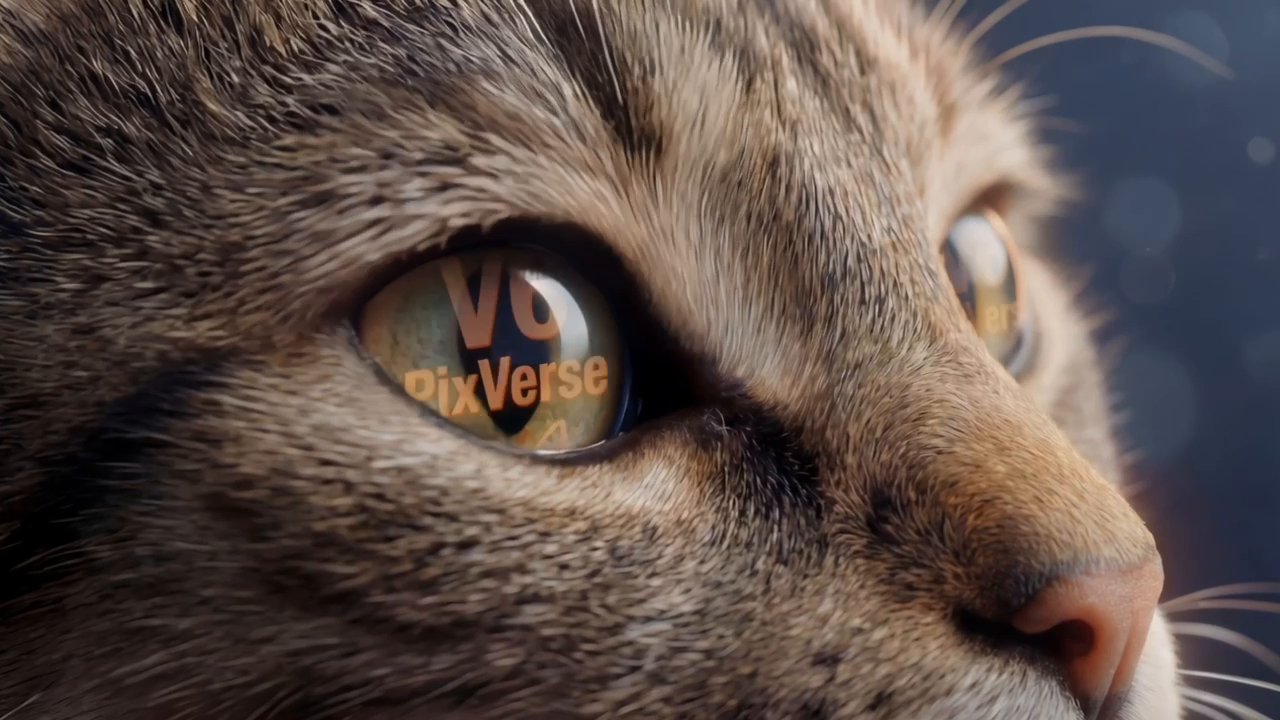
Singapore-based AI video startup PixVerse closed an extended Series C round at over $2 billion(約3200億円) valuation, raising $439 million(約700億円) from investors including Alibaba, Lollapalooza Capital, and Mirae Asset. The company, founded in 2023 by Wang Changhu (formerly of ByteDance) and Jaden Xie, offers models for video generation, film production, and world models for game development.
Why it matters
PixVerse's valuation signals investor confidence that the AI video generation market has room for winners beyond OpenAI and established players. Co-founder Xie argues that only a handful of companies can deliver the quality needed—pointing to OpenAI's shutdown of Sora 2 and Meta and Tencent's struggles to build high-quality video models. The company's competitive edge stems partly from Changhu's experience building visual AI and data-labeling systems at ByteDance, a precision-labeling capability that now powers PixVerse's video platform.
What to watch
PixVerse reports more than 150 million registered users and 15 million monthly active users. Competition remains intense, with ByteDance, Midjourney, Google, Runway, Luma, and others advancing video and world models at a similar pace.
Summaries like this, in your inbox every morning.
PixVerse's $2 billion(約3200億円) valuation represents a bet by major investors that AI video generation remains a wide-open market despite high-profile competition. The company's valuation arrives at a moment when OpenAI has shut down Sora 2 and other major players—Meta and Tencent—have struggled to build high-quality video models, creating a perceived opening for well-funded challengers. Co-founder Xie's framing that only a handful of companies can achieve the necessary quality underscores the technical barrier to entry, which may protect PixVerse's position even as competitors like ByteDance, Midjourney, Google, Runway, and Luma continue to develop video and world models.
The company's edge appears to rest on engineering and operational discipline rather than exclusive data. Changhu's prior work at ByteDance—specifically the visual AI and precision data-labeling systems that powered TikTok's recommendations—has been transplanted directly into PixVerse's platform. This suggests that the competitive advantage lies not in owning unique training data, but in the organization's ability to label and process data with unusual precision, a capability that is harder for competitors to replicate than raw compute or scale alone.
Pick your industry and the AI tools you use, and get news related to your work every day.
Free · 30 seconds with Google · unsubscribe anytimeWhat is AIToday? →
Ask AI anything about this article. The AI reads this article, earlier AIToday articles, and Wikipedia, and cites its sources. Q&As are published on this page for other readers too.
In Q2, billionaires or their funds sold six 'Magnificent Seven' AI stocks
Nvidia was rising early Friday, even as the wider chip sector kept falling, Barron's reported
ElevenLabs completed a $300 million employee tender at a $22 billion valuation, and co-founder Mati Staniszews…

On October 15, OpenAI announced the Rosalind Academic Plan, giving approved US university labs free access to…

Neostellar Capital principal Evan Schlossman said CoreWeave's $103.7 billion in remaining performance obligati…

Supermicro Computer appointed Mark Long as chief financial officer, bringing an experienced technology finance…