What happened
Anthropic founder Dario Amodei published a blog post Monday clarifying that his company has never advocated for banning open-weight models, directly responding to industry speculation that Anthropic supported U.S. government restrictions on Chinese AI. His statement came after Nvidia CEO Jensen Huang and other major AI companies (including Meta, Microsoft, Mistral, and Hugging Face) issued an open letter Friday opposing "premature restrictions" on open-weight models.
Why it matters
Amodei distinguished his actual concern—that authoritarian governments including China's Communist Party will build AI models more powerful than U.S. ones to achieve "permanent military superiority" or enable "biological attacks"—from the separate question of whether open-weight models themselves should be restricted. He argued open-weight models without dangerous capabilities are a public good, but fears their openness makes them harder to monitor when deployed in harmful scenarios, especially by state actors.
What to watch
Amodei supports creating a global model safety testing organization that would apply to "the most capable models regardless of their country of origin or whether they are open or closed," and said this aligns with recent Trump administration direction. He proposed specific countermeasures: restricting China's access to powerful chips and formally cracking down on distillation (a technique where AI labs bombard models with prompts to extract their capabilities).
Summaries like this, in your inbox every morning.
Amodei's statement marks a deliberate effort to separate two distinct policy questions that have become conflated in recent industry debate. The first is whether open-weight models themselves pose a national security risk warranting restrictions—a position Amodei explicitly rejects. The second is whether authoritarian states pose a strategic AI threat—a concern Amodei emphasizes strongly. By clarifying this distinction, Amodei attempts to neutralize speculation that Anthropic backed U.S. government moves to restrict open-weight Chinese models.
The timing and framing reflect real tension within the AI industry. Nvidia and a broad coalition of companies (Meta, Microsoft, Mistral, Hugging Face) issued a coordinated open letter opposing restrictions on open-weight models just three days before Amodei's response. That letter did not explicitly name China but addressed the underlying policy question. Amodei's post implicitly aligns Anthropic with that coalition on the narrow question of open-weight model restrictions while still acknowledging legitimate concerns about state-level AI competition and misuse—concerns Nvidia's letter also did not directly address.
Central to Amodei's argument is a technical and philosophical claim: open-weight models are harder to weaponize for certain scenarios (like biological attack or mass repression) precisely because guardrails are difficult to enforce and usage is hard to monitor, but the threat he worries about—rival governments building closed, frontier-capable systems—is separate from the openness question. His proposed solution (global safety testing, chip export controls, distillation crackdowns) is narrower and more targeted than a blanket ban on open models, suggesting a middle-ground position in an industry and policy debate that has grown polarized.
Pick your industry and the AI tools you use, and get news related to your work every day.
Free · 30 seconds with Google · unsubscribe anytimeWhat is AIToday? →
Ask AI anything about this article. The AI reads this article, earlier AIToday articles, and Wikipedia, and cites its sources. Q&As are published on this page for other readers too.
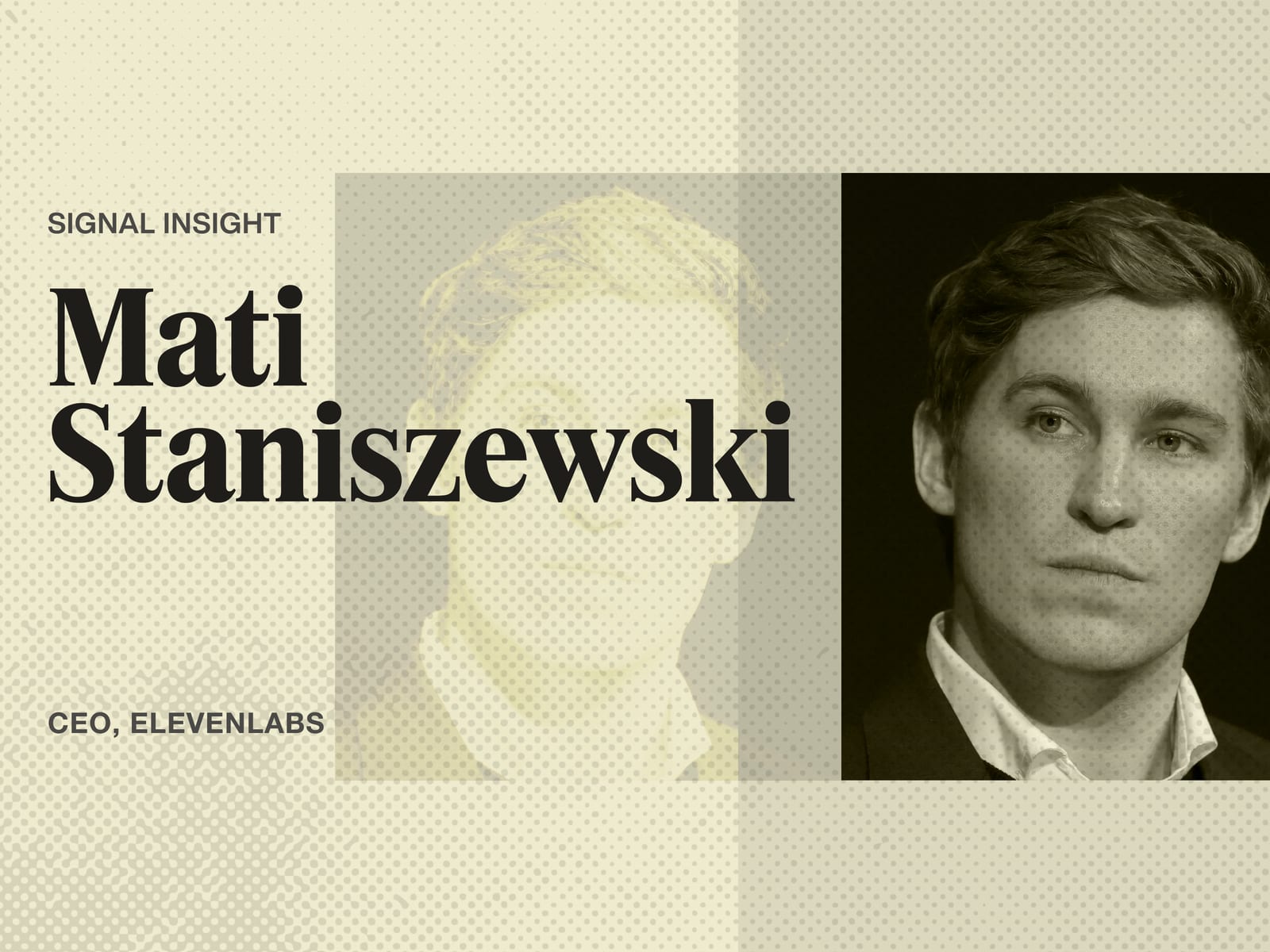
ElevenLabs completed a $300 million employee tender at a $22 billion valuation, and co-founder Mati Staniszews…
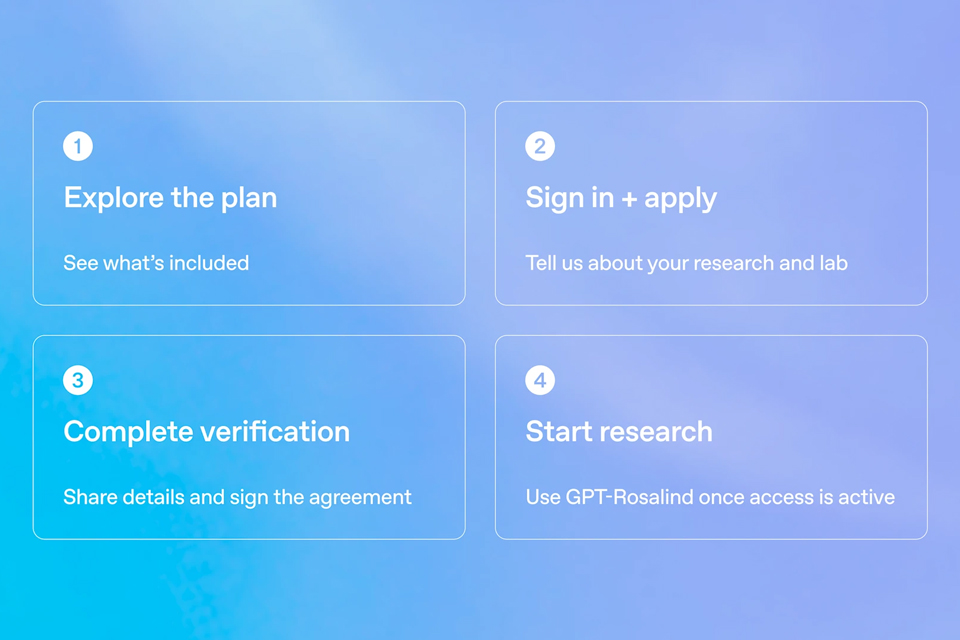
On October 15, OpenAI announced the Rosalind Academic Plan, giving approved US university labs free access to…
A Qiita article compared automated red-teaming methods for LLM apps — GCG, PAIR, and TAP — using mock implemen…

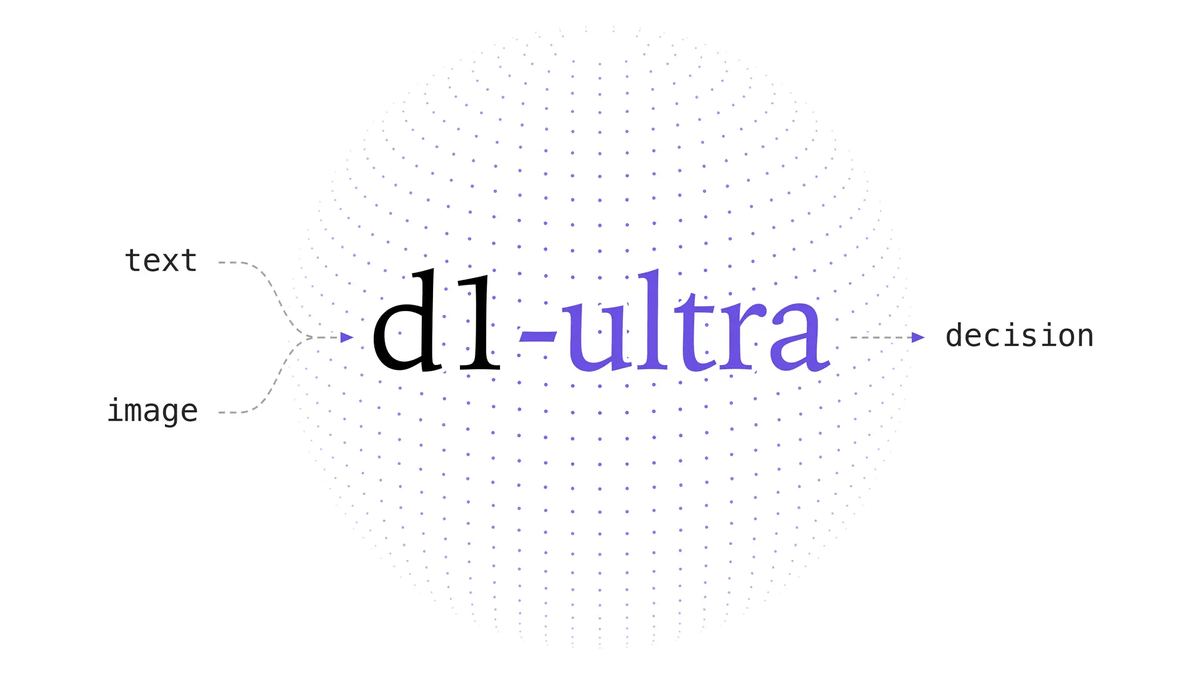
Liquid AI released d1-ultra on October 15, 2026, an upgraded open-weights decision model that averaged 76.7 ac…
Taiwan is considering much stricter export controls on AI chip sales to China, part of a greater alignment wit…

Circlia started a proof-of-concept for TASTE SIGNAL: visitors to Holland Village Cafe FUKUOKA taste cookies an…