SK Group and NVIDIA announced a $500-billion-plus strategic partnership on July 24, 2026, to build AI infrastructure addressing global compute demand. SK Telecom will construct a 2-gigawatt AI factory in Korea using NVIDIA's DSX platform and Vera Rubin accelerated computing, with the first facility opening in 2027, while SK hynix will supply next-generation AI memory to NVIDIA under a long-term agreement. The deal aims to accelerate large-scale AI infrastructure development across the Asia-Pacific region and make capital-intensive AI services available to more customers.
Summaries like this, in your inbox every morning.
Sign up free →What happened
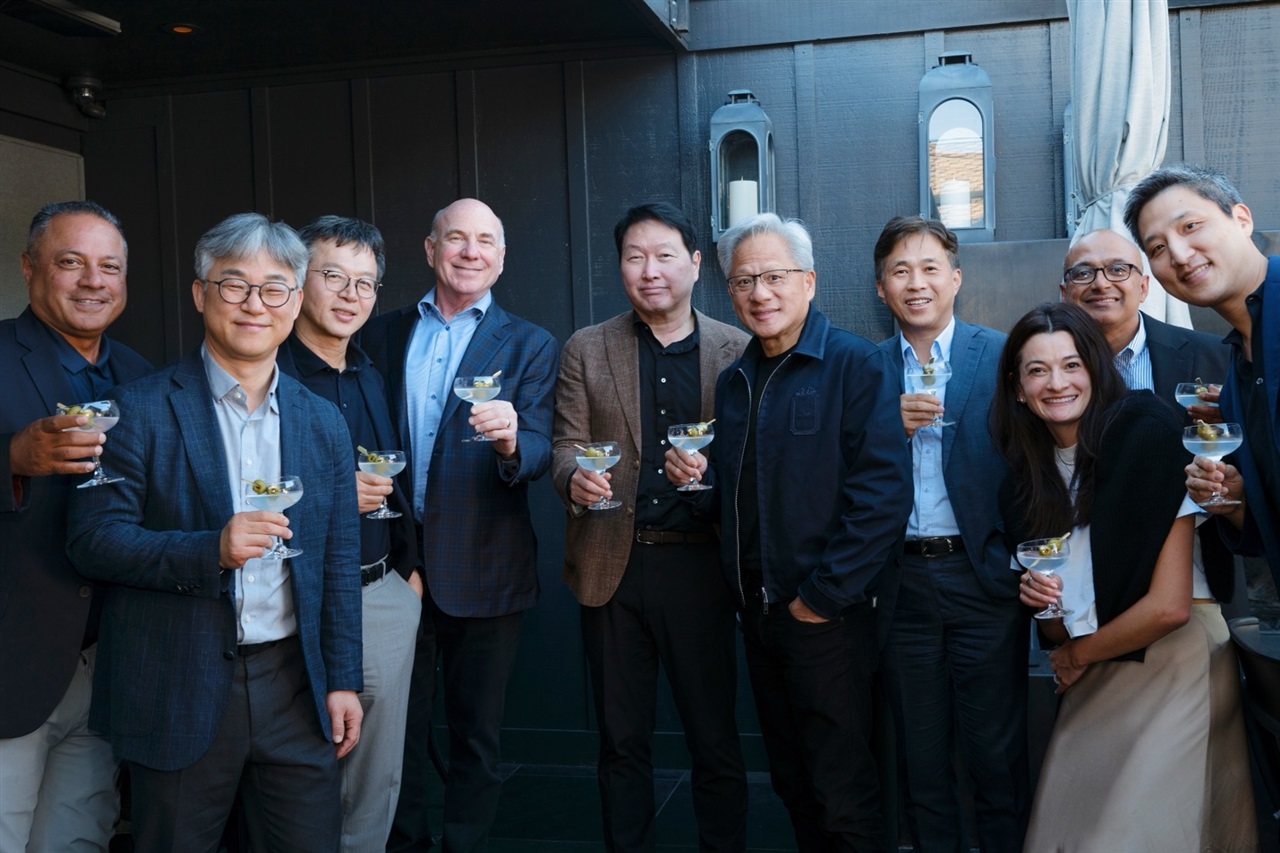
SK Group and NVIDIA signed letters of intent for a $500-billion-plus partnership announced on July 24, 2026. SK Telecom will build a 2-gigawatt AI factory in Korea using NVIDIA's DSX platform and Vera Rubin accelerated computing, with the first facility coming online in 2027. SK hynix will enter a long-term AI memory partnership with NVIDIA to supply next-generation memory including HBM4.
Why it matters
The deal lets SK Telecom invest in and expand large-scale AI infrastructure while making it available to a broader range of customers across the Asia-Pacific region. NVIDIA secures a stable supply of next-generation AI memory, and SK hynix strengthens its growth foundation. The partnership builds on decades of technology collaboration between the two groups.
What to watch
The first AI factory is planned to come online in 2027. The facility will use NVIDIA's DSX full-stack AI factory architecture, which integrates NVIDIA accelerated computing, systems, and software to deliver what the companies say is the lowest token cost at maximum energy efficiency.
On July 24, 2026, SK Group and NVIDIA announced a sweeping strategic partnership valued at $500 billion(約80兆円) or more, signed through letters of intent that cover both AI factory construction and memory supply. The initiative addresses what the companies frame as surging global demand for compute capacity.
At the core of the deal is a 2-gigawatt AI Cloud that SK Telecom will build in Korea. The facility will be powered by NVIDIA's DSX platform and deploy NVIDIA Vera Rubin accelerated computing, with the computing power enhanced by SK hynix HBM4 memory. The first AI factory is scheduled to come online in 2027. The facility will be built on NVIDIA's DSX full-stack AI factory architecture, which the companies say integrates NVIDIA accelerated computing, systems, software, and partner technologies to deliver the lowest token cost at maximum energy efficiency.
Beyond the factory construction, NVIDIA and SK hynix have formalized a separate long-term AI memory partnership. Under this agreement, NVIDIA secures stable supply of next-generation AI memory—including HBM (high-bandwidth memory)—while SK hynix builds its foundation for future growth. The two companies describe this as a follow-up to their previous long-term technical partnership.
The SK Telecom and NVIDIA collaboration is intended to accelerate adoption of NVIDIA-powered AI infrastructure across the Asia-Pacific region, including South Korea. By enabling SK Telecom to invest in and expand large-scale AI infrastructure, the partnership also makes capital-intensive AI infrastructure available to a broader range of customers. The deal builds on a decades-long technology partnership between SK Group and NVIDIA that preceded this announcement.
SK Group and NVIDIA's $500-billion-plus partnership represents a major commitment to address what both companies describe as surging global demand for compute. The deal formalizes collaboration across two critical layers of AI infrastructure: the computational facilities themselves (through SK Telecom's 2-gigawatt factory) and the specialized memory chips required to run modern AI systems (through SK hynix's long-term supply agreement). By combining NVIDIA's accelerated computing platform and DSX architecture with SK's manufacturing and telecom capabilities, the partnership aims to lower the per-token cost of AI services while improving energy efficiency—two factors that directly affect the economics of operating large-scale AI systems.
The announcement builds on an existing decades-long technology relationship between SK Group and NVIDIA, which suggests both parties have already validated the partnership model before committing at this scale. The timing is notable: the first factory is planned for 2027, positioning SK to capture demand from the Asia-Pacific region at a moment when capital-intensive AI infrastructure remains concentrated among a handful of large providers. By making advanced cloud services available to a broader customer base, SK Telecom may be able to distribute the costs and risks of the initial buildout across multiple users rather than betting on a single use case.
AI-summarized, only the topics you pick — one digest a day via Email, Slack, or Discord.
Free · takes 30 seconds · unsubscribe anytime
No comments yet. Be the first to share your thoughts!
Log in to join the discussion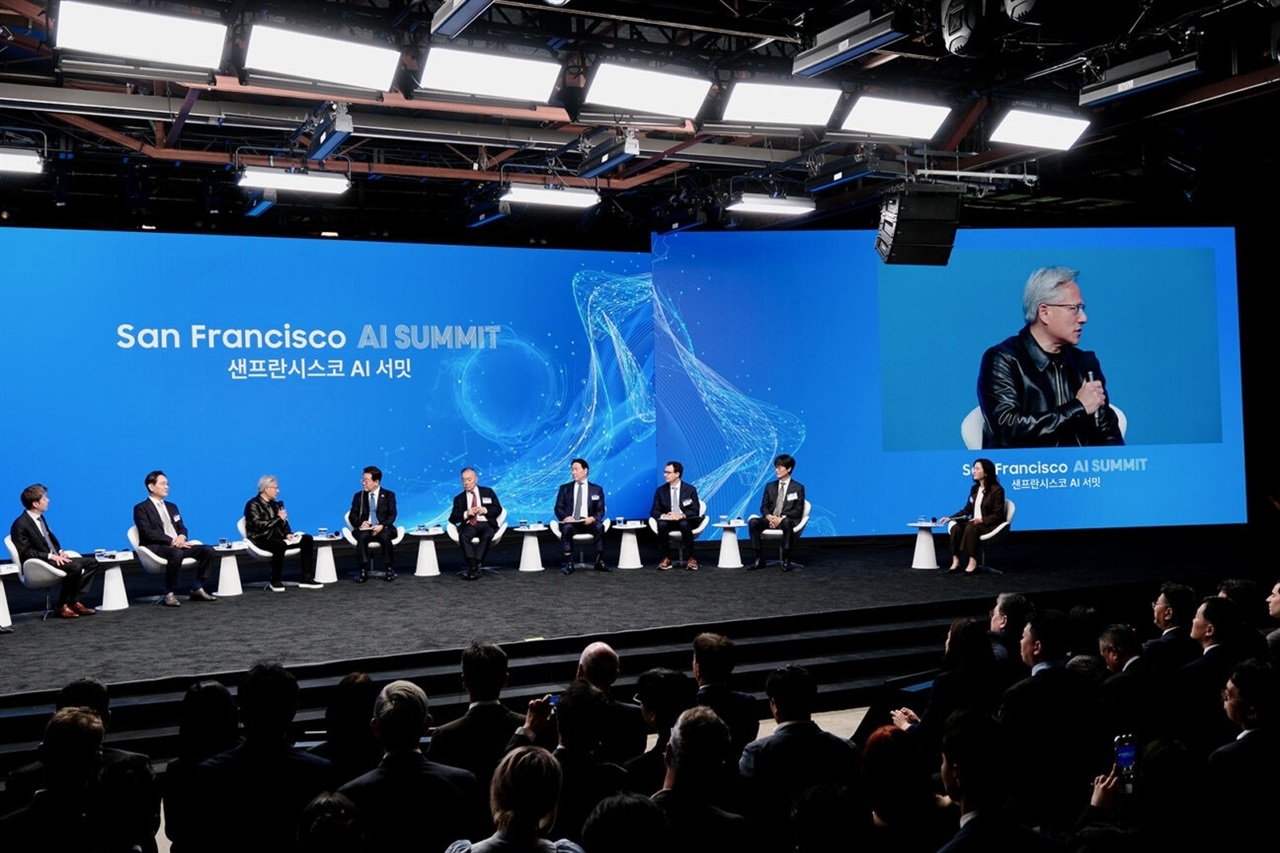

Get curated AI news from 200+ sources delivered daily to your inbox. Free to use.
Get Started FreeFree · takes 30 seconds · unsubscribe anytime
