Etched, an AI chip startup founded by Harvard dropouts, has raised $300 million(約480億円) at a $10.3 billion(約1.6兆円) valuation, doubling its value in seven months. The company built custom chips optimized for AI inference, with one component running at low voltage for the compute-intensive 'prefill' phase and another creating shared memory technology for the 'decode' phase. Despite early skepticism, Etched has booked $1 billion(約1600億円) in orders and is working with major AI companies.
Summaries like this, in your inbox every morning.
Sign up free →What happened
Etched, founded by three Harvard dropouts in 2022, closed a $300 million(約480億円) Series C funding round at a $10.3 billion(約1.6兆円) valuation, led by Sequoia and backed by Andreessen Horowitz, SK Hynix, Jane Street, and Diffusion Capital. The company has doubled its valuation in about seven months since a $500 million(約800億円) round valued it at $5 billion(約8000億円) in December.
Why it matters
Etched designed custom chips specifically for AI inference — the computing process after a user submits a prompt — creating two novel components to speed up the two-stage inference process (prefill and decode). The company has already booked $1 billion(約1600億円) worth of orders and is working with some of the largest AI companies in the world, validating an approach that skeptics once considered far-fetched.
What to watch
Access to Etched's systems has been limited to investors and early customers so far; the company must now scale mass production and delivery of its rack systems. Sequoia's Series C is described as the highest valuation ever for a Sequoia-led Series C round.
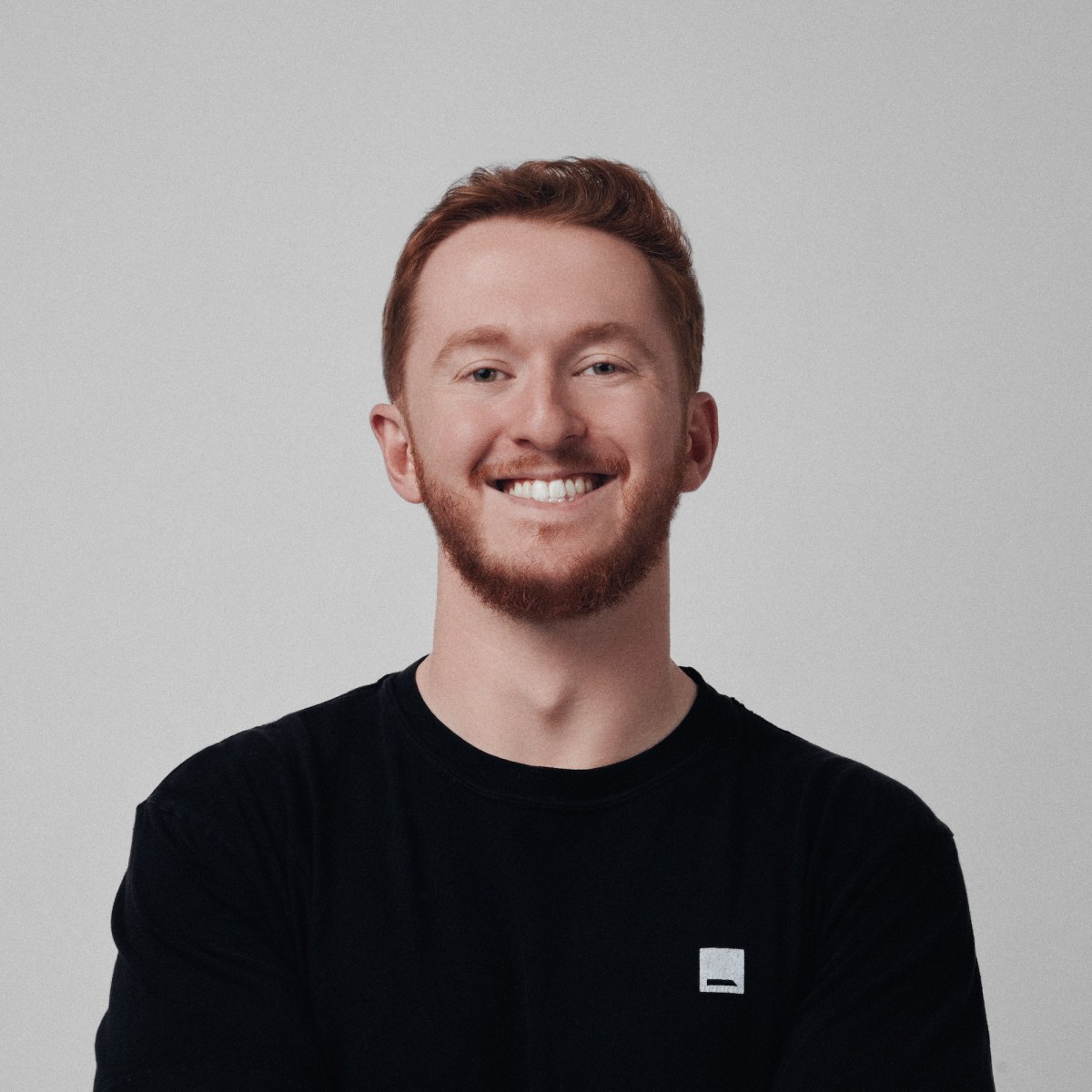
Etched was founded in 2022 by three Harvard dropouts: CEO Gavin Uberti, COO Robert Wachen, and CTO Chris Zhu. The company just closed a $300 million(約480億円) Series C funding round at a $10.3 billion(約1.6兆円) valuation, doubling the $5 billion(約8000億円) valuation from its December $500 million(約800億円) Series C in about seven months. Sequoia led the round, with Andreessen Horowitz, SK Hynix, Jane Street, and Diffusion Capital also participating. The company's backers include Peter Thiel, Andrej Karpathy, Dylan Field, and Amjad Masad, among others. Sequoia says this is the highest valuation ever for one of its Series C rounds.
Etched launched at a time when building a chip specifically for transformer-based AI — the architecture behind ChatGPT, Claude, and most modern large language models — was seen as implausibly niche. The company has battled a persistent perception that its chips only work with specific models. In reality, Wachen explains, the systems can run any AI model, including Mixture of Experts architectures like DeepSeek and Qwen that distribute tasks across specialized sub-models, as well as non-transformer designs like Mamba, which uses a state-space model architecture instead.
Etched's core innovation centers on accelerating inference — the computing process that occurs after a user submits a prompt. Inference happens in two stages. The "prefill phase" involves understanding the prompt and its context; this phase is mathematically demanding and compute-intensive. The "decode phase" generates the output tokens (the actual answer the user sees); it requires less computation but demands massive amounts of memory bandwidth. Etched created two novel components to handle each stage. For prefill, the company designed a chip that operates at much lower voltage than any other AI chip, a technique Etched calls "low-voltage inference." Lower voltage generates less heat, allowing the chip to pack in more transistors. For decode, Etched created new memory technology and what it calls "cluster scale memory" — interconnect technology that allows many chips to connect and share a memory pool at very fast speeds with low latency, promising both high performance and lower costs.
The startup's path has been arduous. Last month, Etched announced it had successfully manufactured its homegrown chips and that its first full systems were being tested by clients. The company has already booked $1 billion(約1600億円) worth of orders. Skeptics doubted even after Etched announced its first silicon had been successfully manufactured by TSMC. Much of that doubt stemmed from the limited access to the actual hardware — so far, only investors and early customers have tried the systems. In fact, Etched won many of its celebrated investors, including Andrej Karpathy from Anthropic, Noam Brown from OpenAI, and Geoffrey Hinton, by showing them private demos in its office. These prominent researchers actually tried the hardware and became excited about it.
The founders' commitment has been extraordinary. Wachen recalls moving to the Bay Area after dropping out of Harvard and telling his parents about the startup, with no office or apartment arranged. He slept on the floor of a friend's unfurnished house. "I remember staying in my friend's house that they were about to sell, using a towel as a blanket," he recalls. The founders eventually set up the servers needed for chip-design tools in an early employee's garage, and "every time it needed to be rebooted, he would call his wife, and she would go and hit the reboot button." Today, Etched operates a 2 megawatt data center, employs 400 people, and is running tokens in its lab while working with some of the largest AI companies in the world. Wachen now has a blanket, mattress, and multiple pillows. Still, he acknowledges the challenges ahead: "I think we still have to be humbled by what it will take to actually get to scale."
Etched's journey reflects a broader shift in how the tech industry approaches AI infrastructure. When the three Harvard dropouts founded the company in 2022, the notion of designing chips specifically for transformer-based AI models was considered risky — most of the tech world, besides Nvidia, had not yet grasped the specialized compute demands of modern AI. The startup faced sustained skepticism, yet the founders persisted through manufacturing challenges and a slow path to market validation.
The company's recent milestones suggest that skepticism has given way to confidence among sophisticated investors and AI builders. Etched's claim that its systems can run any AI architecture — not just transformers, but also Mixture of Experts models like DeepSeek and Qwen, as well as state-space models like Mamba — directly addresses an early criticism that its chips were too specialized. The $1 billion(約1600億円) in booked orders and partnership with major AI companies indicate genuine demand. That Andrej Karpathy, Noam Brown from OpenAI, and Geoffrey Hinton tried the hardware in person and became investors underscores the role of hands-on demonstration in winning over the AI research community.
AI-summarized, only the topics you pick — one digest a day via Email, Slack, or Discord.
Free · takes 30 seconds · unsubscribe anytime
No comments yet. Be the first to share your thoughts!
Log in to join the discussion


Get curated AI news from 200+ sources delivered daily to your inbox. Free to use.
Get Started FreeFree · takes 30 seconds · unsubscribe anytime
1 minute a day. The AI essentials.
200+ sources · Email / LINE / Slack