What happened
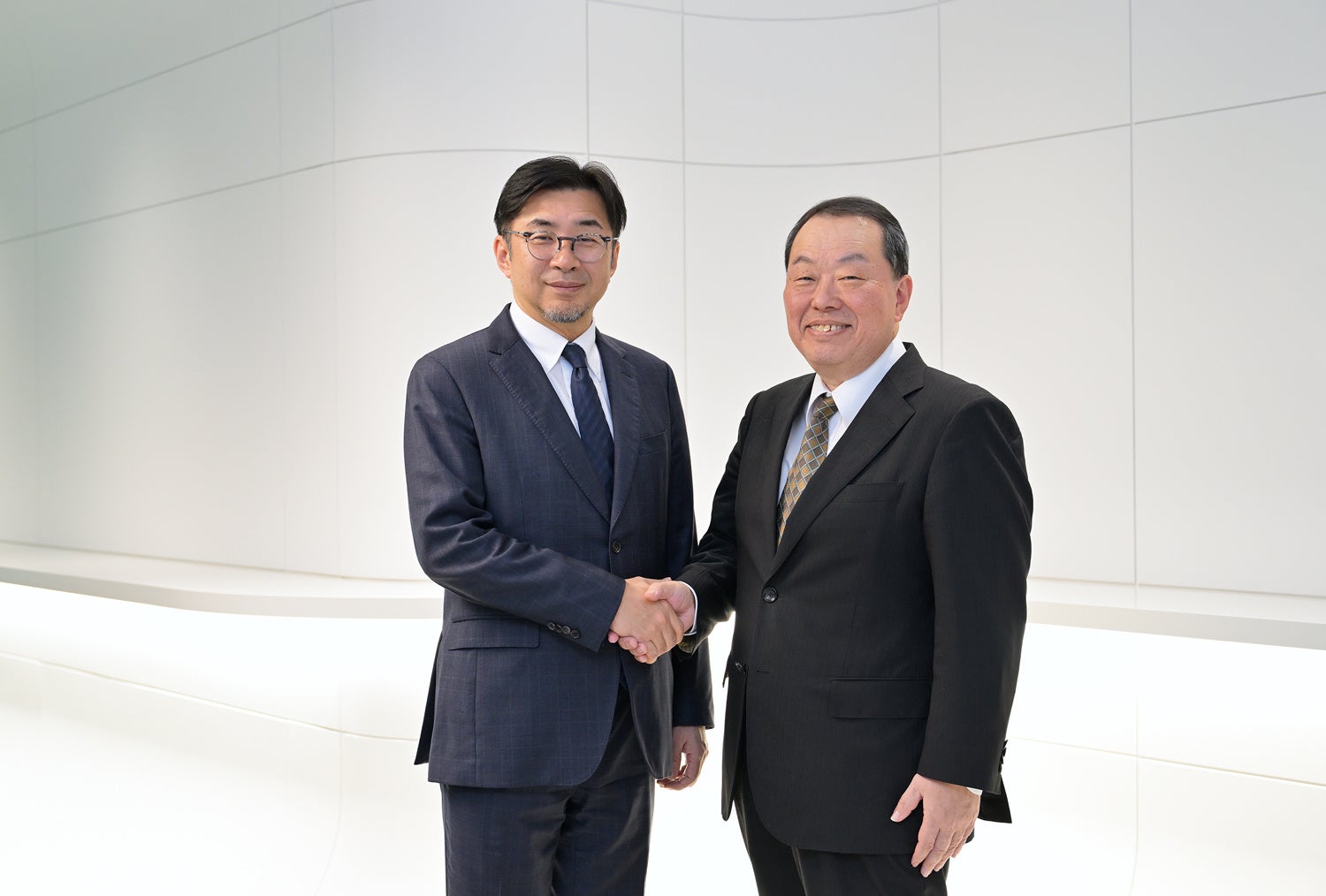
Mitsubishi Electric and Taikisha signed a memorandum on November 26 to jointly demonstrate and build reference designs for AI data center cooling using ZutaCore's two-phase liquid cooling, and both have invested in ZutaCore.
Why it matters
Two-phase liquid cooling removes heat via the refrigerant's latent heat, which the companies say suits high-density, high-heat servers better than air cooling—aiming to cut energy use and stabilize operations as AI server heat rises.
WHO IT HITSOperators and engineers designing high-density AI data center facilities gain another jointly developed cooling option to evaluate, while Mitsubishi Electric's air-conditioning equipment business and Taikisha's piping and facility engineering teams would carry the work.
Summaries like this, every morning.
The memorandum follows a shared bet: both Mitsubishi Electric and Taikisha had already invested in ZutaCore, the company whose direct-on-chip two-phase liquid cooling technology underpins the planned joint work. The partnership pairs complementary strengths—Mitsubishi Electric's development and manufacturing of cooling equipment from its air-conditioning business, and Taikisha's piping and facility engineering from its air-conditioning, sanitation, and coating systems operations. Their stated aim is to jointly demonstrate cooling solutions and build and commercialize reference designs for AI data centers.
The backdrop is the strain that generative AI and high-performance servers are putting on data center power use and heat output. The release says both are rising and expected to increase further, pushing interest from room-level air cooling toward liquid cooling that targets the server's heat-producing components directly. Two-phase liquid cooling, which exploits the refrigerant's latent heat, is presented as the better fit as servers grow denser and hotter. Whether the joint work delivers on energy savings and stable operation will likely be judged once the demonstration results and reference designs emerge.
Pick your industry and the AI tools you use, and get news related to your work every day.
Free · 30 seconds with Google · unsubscribe anytimeWhat is AIToday? →
Ask AI anything about this article. The AI reads this article, earlier AIToday articles, and Wikipedia, and cites its sources. Q&As are published on this page for other readers too.

