What happened
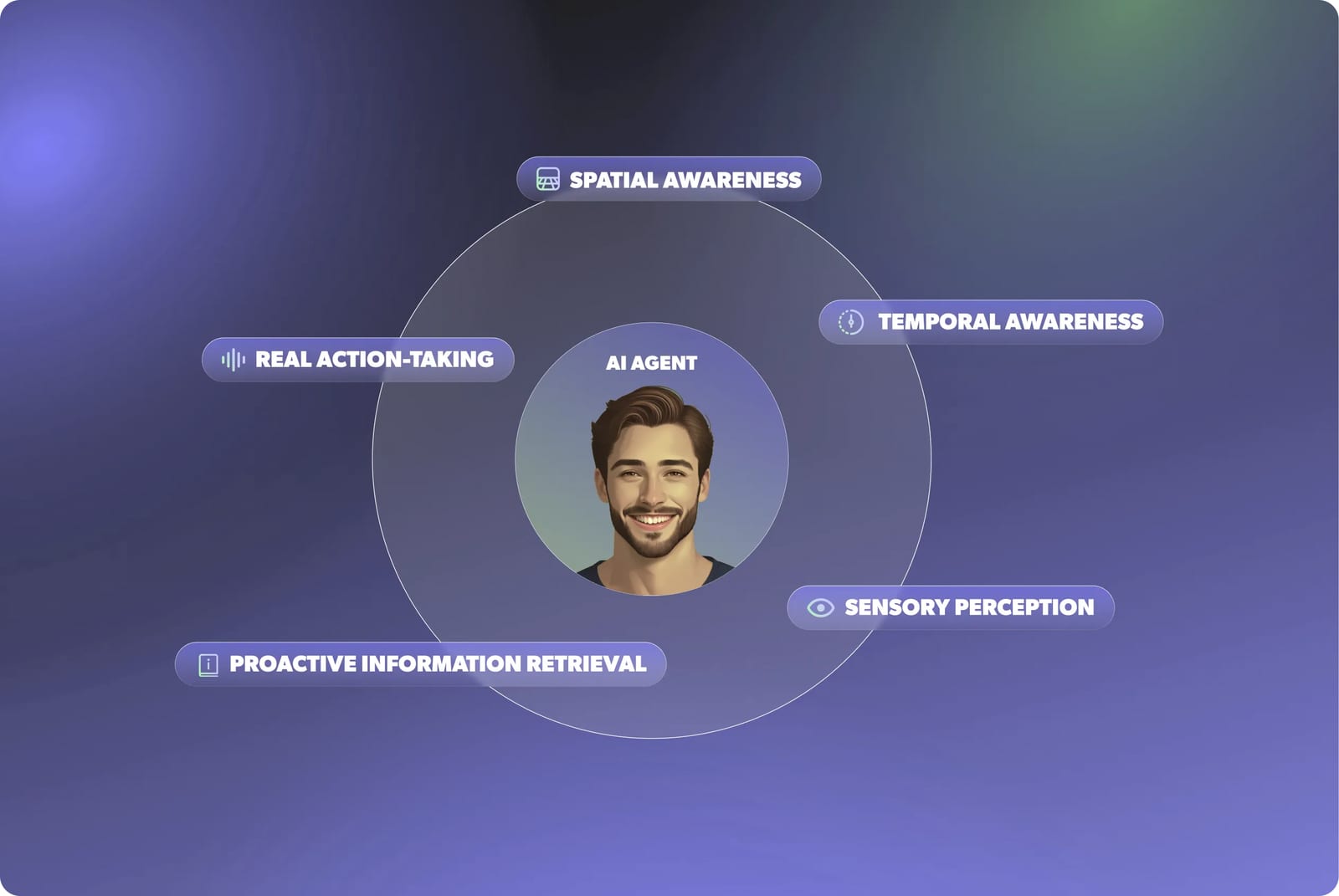
AIエージェントナビ published a chaos map of 29 voice AI products verified as of 2026年10月22日, split into 18 AI-agent type and 11 semi-agent type, excluding scripted voicebots and reception-only tools.
Why it matters
Buyers comparing "AI phone" tools can now see only products that finish tasks like reservations and customer-record updates within the call, though the type judgments read public documents rather than product testing.
Summaries like this, every morning.
The map's starting point is a labeling problem: products sold under the names "AI phone" and "voicebot" mix two different mechanisms. Some answer according to a fixed script, while others understand the conversation and carry out reservation changes or procedures within the call. Product descriptions alone make the two hard to tell apart, which is the gap the publication set out to close.
The selection criteria go beyond understanding speech. A product had to be usable by phone, available now (beta and pre-launch products excluded), usable in Japan with Japanese-language handling and a Japanese subsidiary or domestic distributor, and currently offered. The type split — AI-agent versus semi-agent — rests on reading public materials rather than scoring products in tests, a limitation the publication states openly.
For overseas products, the check extended to technical documents' supported languages and demos released by the seller, so buyers can weigh the newest foreign tools from the standpoint of whether they can be adopted in Japan at all. Listings are free, and the publication says placement fees do not affect whether or how a product appears.
Pick your industry and the AI tools you use, and get news related to your work every day.
Free · 30 seconds with Google · unsubscribe anytimeWhat is AIToday? →
Ask AI anything about this article. The AI reads this article, earlier AIToday articles, and Wikipedia, and cites its sources. Q&As are published on this page for other readers too.
Regal Voice Inc. launched Goal Oriented Agents, which run an actor model that replies right away and a directo…
Oracle signed deals to bring Google's Tensor Processing Units, Cerebras chips, and SambaNova's SN50 processor…
Nvidia's data center revenue hit $89 billion in its FY2027 Q2, growing 117% year over year, while AMD's Q2 dat…
Zhang Yiming topped the Hurun list with $100 billion, up 43%, and Hurun's Rupert Hoogewerf said 160 listers —…
A US SEC filing dated Oct 26, 2026 shows Anthropic posted about $16.3 billion in first-half 2026 revenue, incl…

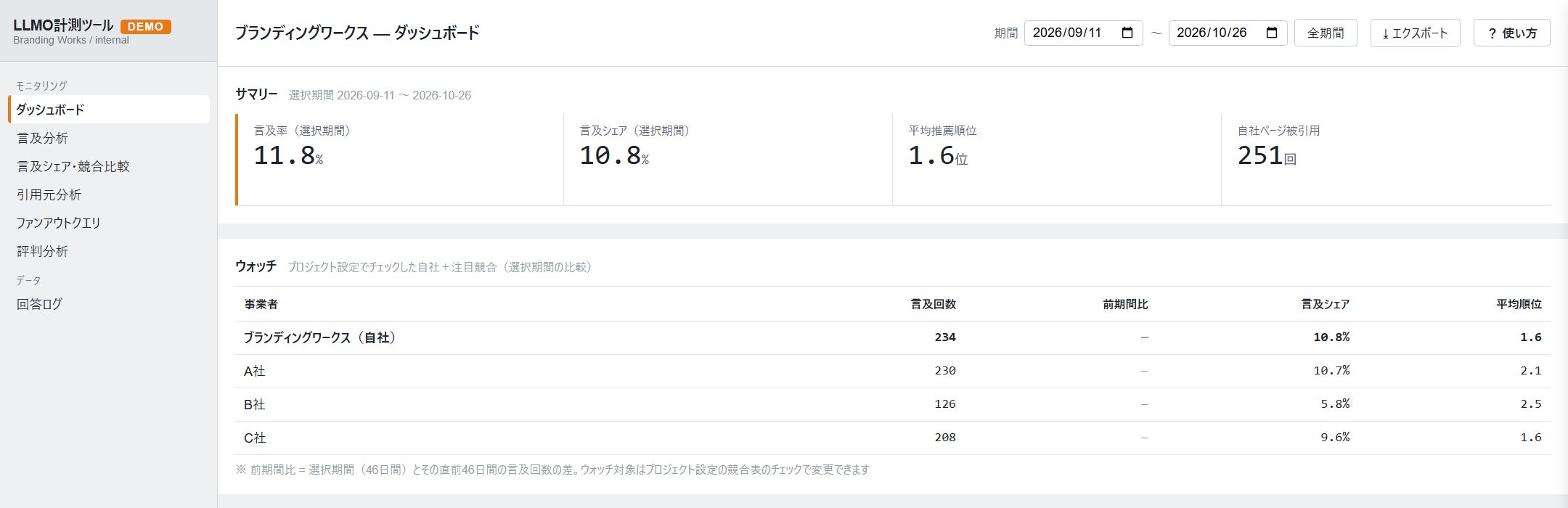
Branding Works added a feature to its LLMO measurement tool that lists, per measured question, the search term…