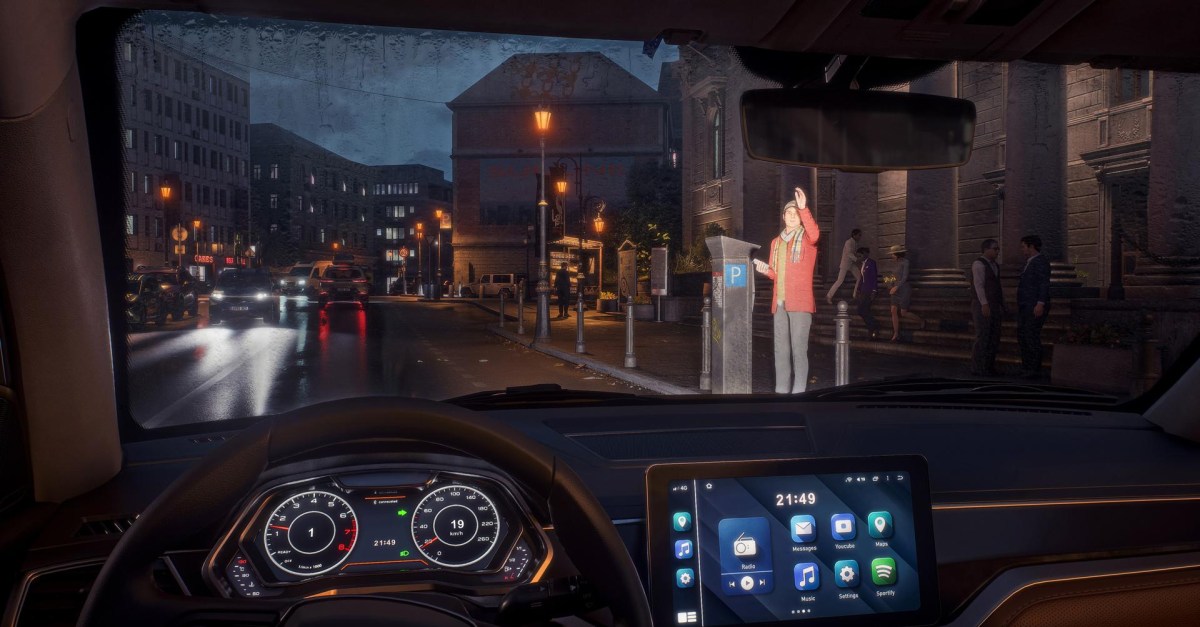
What happened
After former lead writer Stella Sacco posted on Bluesky that Saber replaced her with ChatGPT midway through development of the Rideshare Stimulator game and used AI for passenger voices, CEO Matthew Karch told The Verge that "Neither Saber nor Unigine have replaced any writers with AI." Karch acknowledged the game will feature an experimental free-ride mode that "by necessity incorporates AI as the number of passengers in the game is infinite," but said Saber has been using AI tools since its founding in 2001 to improve gameplay and NPC behavior.
Why it matters
Sacco's claim directly contradicts Karch's statement—she says she was told in December 2023 that she was being replaced, and argues that if both human-written and AI-written content appear in the same game, AI was still used to displace labor. The game's Steam listing currently includes no disclosure about generative AI use, raising questions about transparency when AI is involved in creative work. This dispute highlights tension in the industry around how game studios describe their use of AI in production.
What to watch
Sacco's statement points to a logical inconsistency in Karch's defense: the CEO acknowledges AI wrote content for the game (the infinite-passenger free-ride mode and passenger voices) while denying that writers were replaced. The game's lack of any AI disclosure on Steam may face scrutiny, especially if players or regulators question whether consumers are informed about the game's reliance on generative AI.
Summaries like this, in your inbox every morning.
The dispute between Stella Sacco and Saber CEO Matthew Karch centers on a fundamental disagreement over what "replacing writers with AI" means. Karch's statement allows room for AI to be used in the game while maintaining that no writers were replaced—specifically, he highlights the free-ride mode as a feature that "by necessity" uses AI because of the game's infinite passenger count. However, Sacco points out that this logic creates a contradiction: if the same game contains both human-written and AI-written content serving the same narrative function (passenger dialogue and storylines), then human labor has been displaced even if some writers' work remains in the final product. Her claim that she was explicitly told in December 2023 that she was being replaced suggests a deliberate shift in production methodology partway through development, which Karch's framing of AI as a tool for "improving gameplay" does not directly address.
The absence of any AI disclosure on the game's Steam page adds a layer of significance to this dispute. Karch's statement emphasizes Saber's commitment to hiring—the studio claims 3,000+ employees and no planned AI-driven job cuts—yet the core issue is whether existing workers were displaced mid-project, regardless of overall headcount. Sacco's rebuttal demands clarity on whether it is possible to simultaneously claim that writers authored the game and that AI generated text within it, suggesting that transparent labeling of which content is human-created and which is machine-generated would be the most straightforward way to settle the factual disagreement.
Pick your industry and the AI tools you use, and get news related to your work every day.
Free · 30 seconds with Google · unsubscribe anytimeWhat is AIToday? →
Ask AI anything about this article. The AI reads this article, earlier AIToday articles, and Wikipedia, and cites its sources. Q&As are published on this page for other readers too.
ElevenLabs completed a $300 million employee tender at a $22 billion valuation, and co-founder Mati Staniszews…

On October 15, OpenAI announced the Rosalind Academic Plan, giving approved US university labs free access to…

A Qiita article compared automated red-teaming methods for LLM apps — GCG, PAIR, and TAP — using mock implemen…

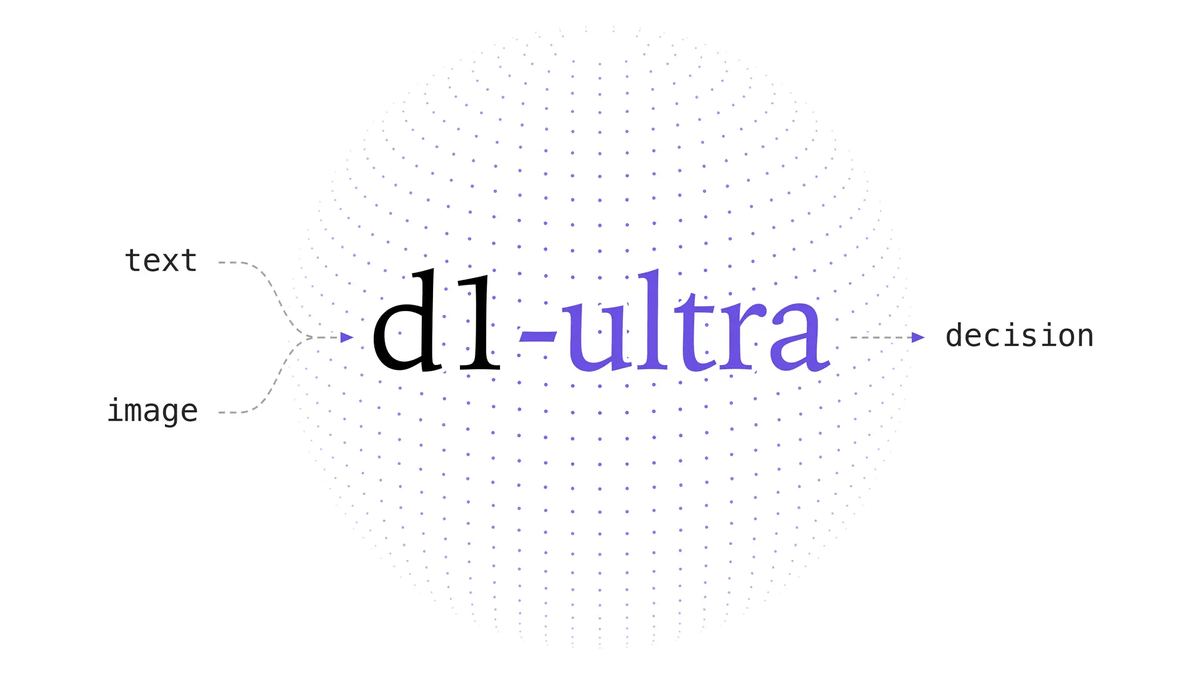
Liquid AI released d1-ultra on October 15, 2026, an upgraded open-weights decision model that averaged 76.7 ac…
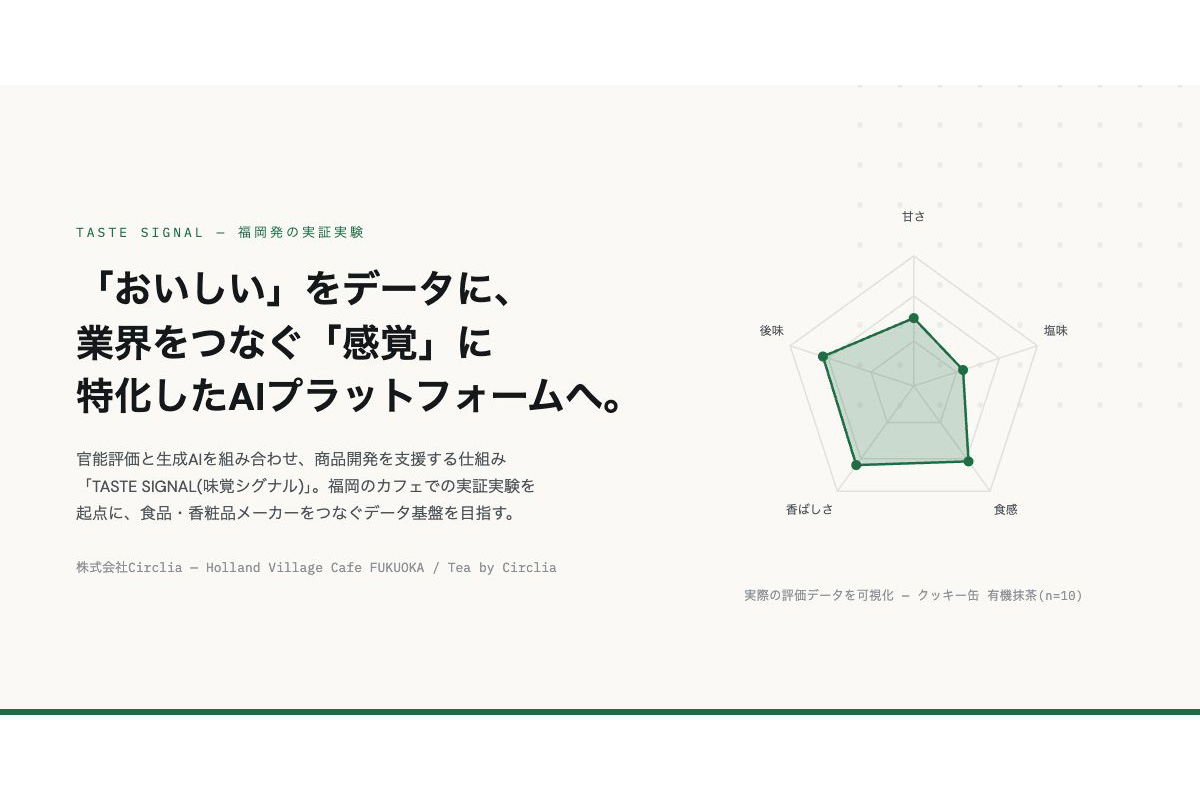
Circlia started a proof-of-concept for TASTE SIGNAL: visitors to Holland Village Cafe FUKUOKA taste cookies an…
In a webinar hosted by French Mathematical Society president Isabelle Gallagher, Fields Medal winner Hugo Dumi…

