What happened
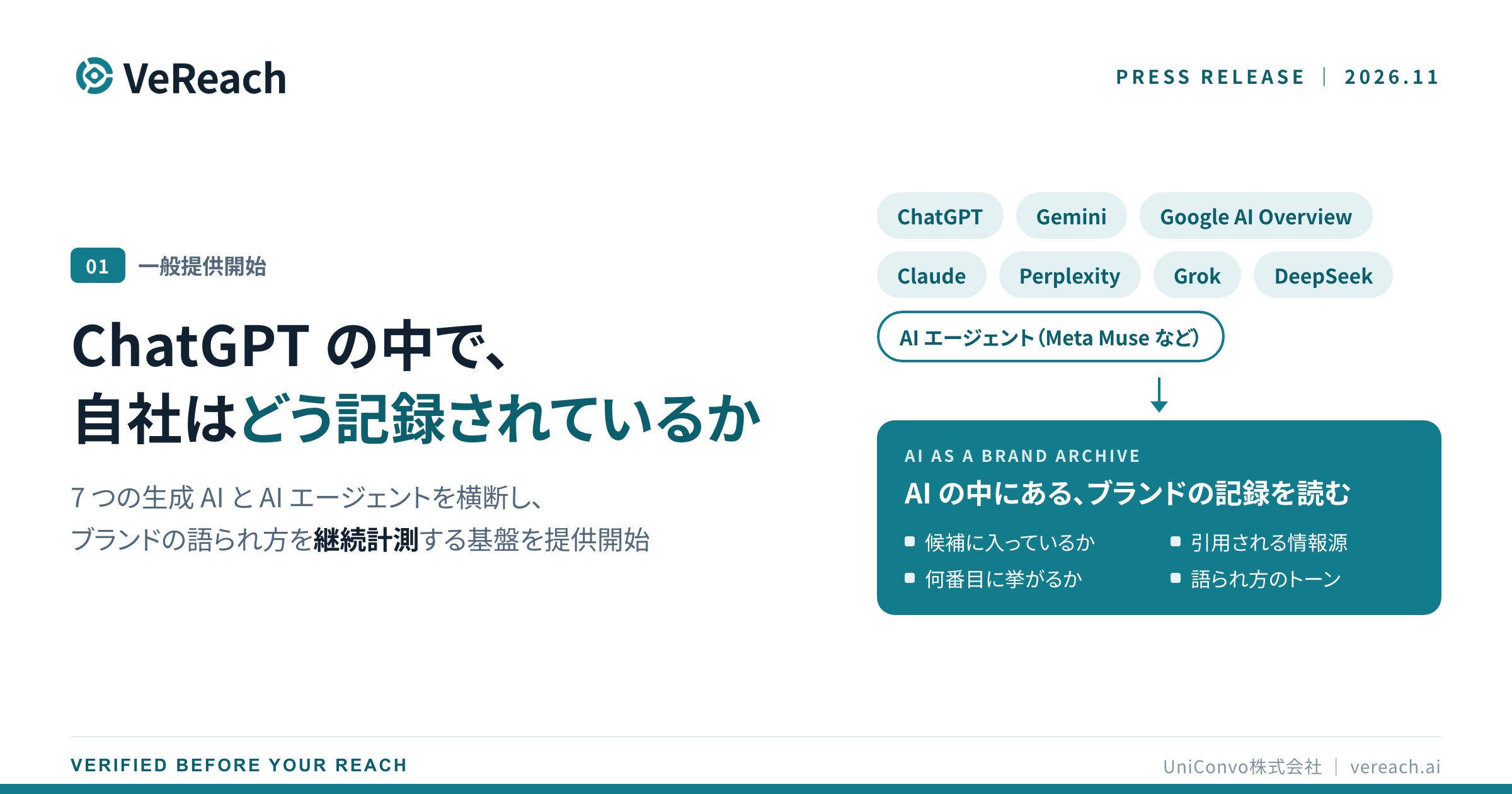
VeReach GEO is now generally available, measuring brand mentions, cited sources, recommendation rank and tone across ChatGPT, Gemini, Google AI Overview, Claude, Perplexity, Grok and DeepSeek, plus AI agents like Meta Muse.
Why it matters
Brands have no public ranking inside AI answers, so this gives marketing teams a way to see whether they appear as candidates and which sources AI draws on — with repeated sampling meant to separate real change from AI answer noise.
WHO IT HITSBrand and marketing teams that want to know how AI assistants describe their company versus competitors now have a measurement product aimed at that gap, though pricing is not public.
Summaries like this, every morning.
VeReach frames generative AI as a "moving brand archive": models don't relay the web directly but accumulate and rewrite descriptions of brands as they are updated. That archive has no public ranking like search results, so a company cannot easily see whether it is shortlisted, which sources AI cites, or how it compares with rivals. The company also warns that because the same question yields different answers, one or two checks can mistake measurement noise for real change.
The service is built around that noise problem. VeReach says it validated how much its metrics wobble across 8,396 answers and sets the number of observations each metric needs, reporting results as ranges. It stores every raw answer and cited source so the basis of a metric can be traced back.
The method traces to University of Tokyo information engineering research, with results accepted at venues including WSDM 2027; published papers reportedly show citation rates rising from 45.0% to 52.8% through structural changes alone, and that sources cited in early turns of a conversation keep being cited. VeReach says it publishes its measurement design and metric definitions as papers so outside parties can re-analyze the data, and it offers the service as a hands-on engagement from scene design through monthly reporting.
Pick your industry and the AI tools you use, and get news related to your work every day.
Free · 30 seconds with Google · unsubscribe anytimeWhat is AIToday? →
Ask AI anything about this article. The AI reads this article, earlier AIToday articles, and Wikipedia, and cites its sources. Q&As are published on this page for other readers too.
Chase Coleman's Tiger Global bought more shares of Nvidia, Cerebras, and Intel in Q3, lifting Nvidia from its…
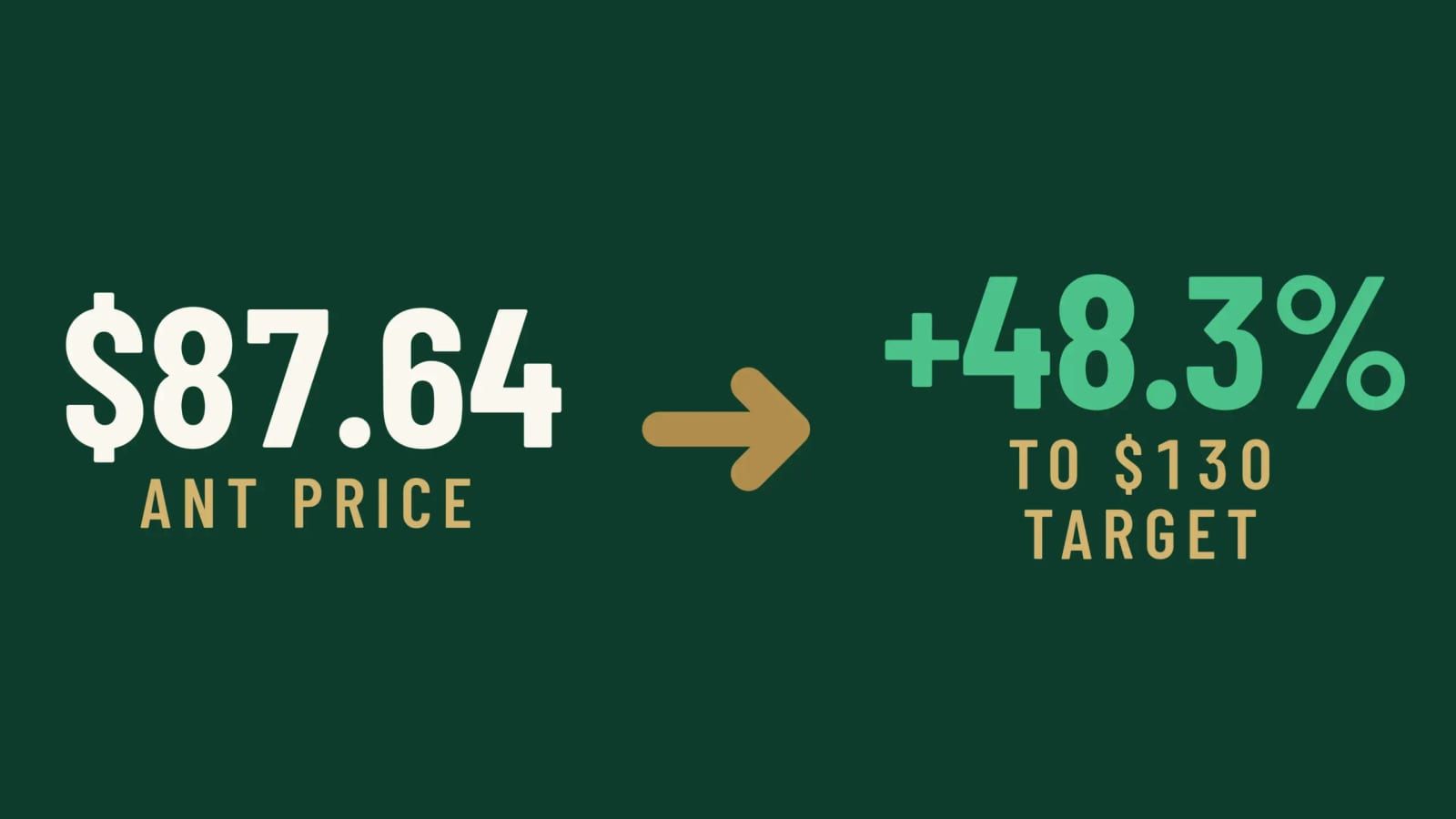
Anthropic has traded for only three sessions and sits 9.81% below its $97.17 first close at $87.64, with its m…
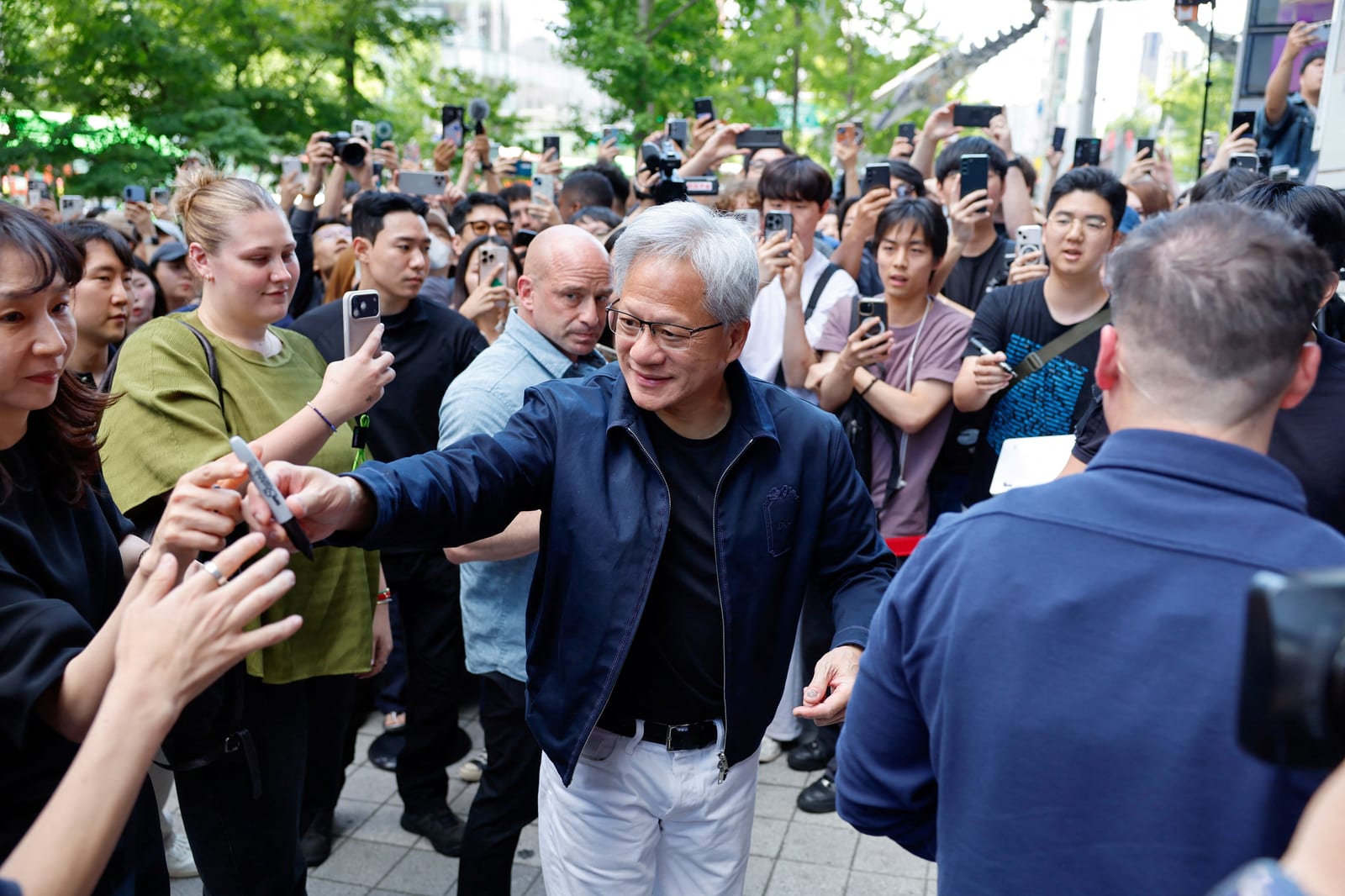
Nvidia's board fired Jensen Huang without all the facts, then reversed itself six days later and rehired him s…
SoftBank completed its acquisition of the Robotics and AI Institute from Hyundai Motor Group; financial terms…
Axios reports, citing more than two dozen insiders, that many OpenAI and Anthropic employees now consider thei…
Anthropic researcher Levent Alpöge says his AI-assisted proof of the generalized Riemann hypothesis is mathema…