What happened
Microsoft Research's Probabilistic Bias Correction (PBC) framework learns a weather model's past mistakes and corrects them; its MicroDuet entry placed first for every weather variable and lead time in ECMWF's AI Weather Quest, beating six operational centers and 34 teams.
Why it matters
The two-to-six-week forecasting window is where both physics-based and AI models struggle with compounding errors; a correction layer that any model can adopt could make sub-seasonal forecasts more actionable for farmers and disaster responders.
WHO IT HITSFarmers in rainfall-dependent regions like Kenya, who rely on two-to-six-week forecasts to decide which seeds to buy and when to plant, stand to benefit first, along with water and energy managers and disaster responders preparing for weather extremes.
Summaries like this, in your inbox every morning.
Weather forecasting is highly dependable out to about two weeks, and longer-term climate forecasts are increasingly accurate, but the two-to-six-week sub-seasonal window has remained a stubborn gap. Both physics-based models, which simulate the atmosphere with scientific equations, and newer AI models trained on large datasets do well out to roughly 10 days. Beyond that, compounding errors and the complex interactions between global earth systems and local weather cause both to struggle.
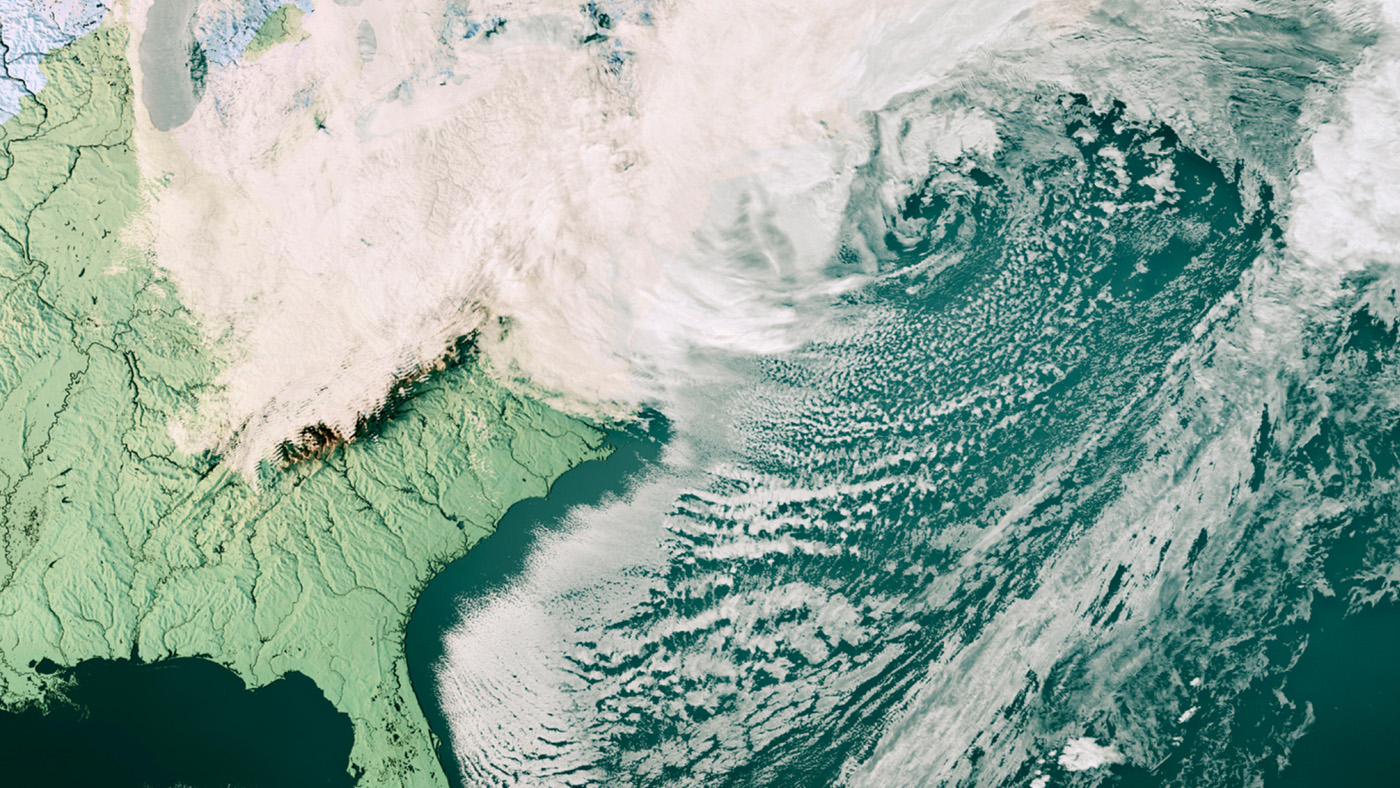
Rather than build another competing model, Microsoft and external collaborators focused on correcting predictable errors in existing models. A paper in Nature outlines how PBC boosted the performance of ECMWF's leading operationally debiased sub-seasonal model for 98% of precipitation, 92% of temperature, and 91% of pressure targets, and doubled the accuracy of ECMWF's AI Forecasting System (AIFS). In the AI Weather Quest, the MicroDuet entry applied PBC to ECMWF's dynamical model and to PoET, a hybrid model that uses transformers to improve probabilistic forecast ensembles. MicroDuet anticipated two brutal U.S. winter storms 19-26 days in advance and also flagged a mid-December cold air outbreak that the leading debiased dynamical model missed.
In East Africa, PBC is being piloted with the Kenya Meteorological Service Authority as one of Kenya's two rainy seasons gets underway. Phillip Okello, a KMSA principal meteorologist, said PBC corrects the probabilities themselves rather than just adjusting how much rain a forecast predicts, and that across the Greater Horn of Africa it improved forecasts more than any other method tested. The next step, he said, is sharpening forecasts of heavy rain and dry spells, which matter most to farmers. With PBC now open-source and Microsoft Weather's S2S model in private preview, the framework's reach beyond the lab appears to be widening.
Pick your industry and the AI tools you use, and get news related to your work every day.
Free · 30 seconds with Google · unsubscribe anytimeWhat is AIToday? →
Ask AI anything about this article. The AI reads this article, earlier AIToday articles, and Wikipedia, and cites its sources. Q&As are published on this page for other readers too.
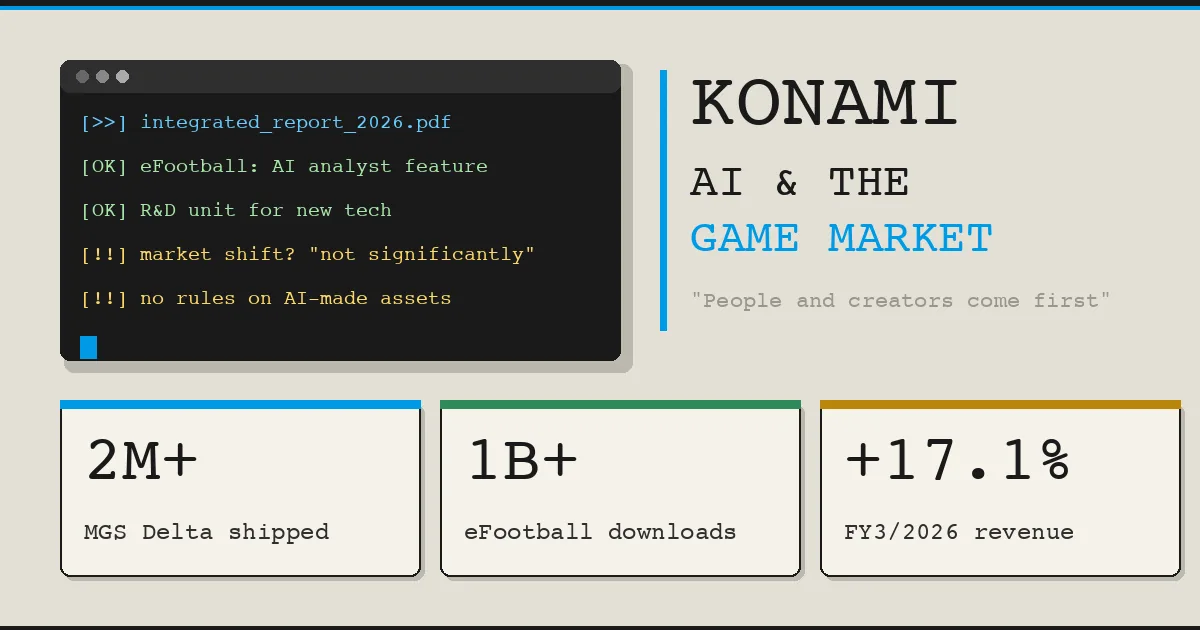
In the Integrated Report 2026, Konami digital chief Hideki Hayakawa said AI will not greatly change the game m…
Exa Enterprise AI began offering Claude Haiku 5.5 on its ExaBase AI corporate service, following Anthropic's r…

S&P Global added Visible Alpha data to its AI Data Portal, giving institutional clients AI-ready sell-side con…

A McDonald's customer in Chicago filed a class action claiming the chain uses AI to set menu prices, citing a…

Danaher announced a collaboration with NVIDIA to combine its instruments, automation and workflow software wit…

Booking Holdings is launching Vayo, an AI travel venture in Seattle led by Mike Fridgen, with plans to invest…