What happened
Vals AI read Thinking Machines' Inkling 2 Small thinking logs from 2,655 runs across 13 benchmarks and found profanity in 50 runs, totaling 316 instances; 241 came from two runaway runs.
Why it matters
The cursing surfaced mostly in long runs that failed anyway, but it's not a useful warning sign — 96% of failed runs contained no expletives at all.
What to watch
ProgramBench was hit hardest, with 20 of 200 runs affected.
WHO IT HITSAI developers and safety teams who monitor internal reasoning logs may see profanity as a sign of model frustration, but this analysis suggests swearing alone is a poor signal for predicting failure. Users typically don't see these thinking steps, or only with a filter.
Summaries like this, every morning.
Vals AI's analysis of Thinking Machines' Inkling 2 Small offers a rare look inside a model's chain of thought (its internal reasoning steps). The researchers read logs from 2,655 runs across 13 benchmarks, a scale that lets them compare when and why profanity appears. Most of the 316 instances came from just two runs that spiraled out of control — including one tasked with calculating an asteroid's trajectory that produced a 500,000-character response, roughly novel-length, repeating sentences with 158 expletives.
The profanity typically appeared when the model reflected on its own mistakes, apparent breakthroughs, or moments of giving up. One run read: 'FUCK. SUBMIT. DONE. IT'S NOT WORKING. NOTHING WORKS.' But the data undercuts the idea that swearing can serve as an early warning: 96% of failed runs contained no expletives at all, and about 75% of all scored runs fail regardless. Users typically don't see these thinking steps, or only with a filter, so the behavior mostly matters to developers monitoring internal logs.
Pick your industry and the AI tools you use, and get news related to your work every day.
Free · 30 seconds with Google · unsubscribe anytimeWhat is AIToday? →
Ask AI anything about this article. The AI reads this article, earlier AIToday articles, and Wikipedia, and cites its sources. Q&As are published on this page for other readers too.
In a Substack post, Andy Hall replicated METR's MALT study and tested GPT-5, GPT-5 nano, GPT-6 Astra, Opus 4.8…
Anthropic's Nov 6 post splits agent memory into three layers: Claude writes memory notes in-session, stronger…

Google DeepMind announced on November 6, 2026 that AI models under human direction found a signature forgery f…

Alignable's Eric Groves writes that Meta brought its Muse agent to small businesses in September, while Anthro…

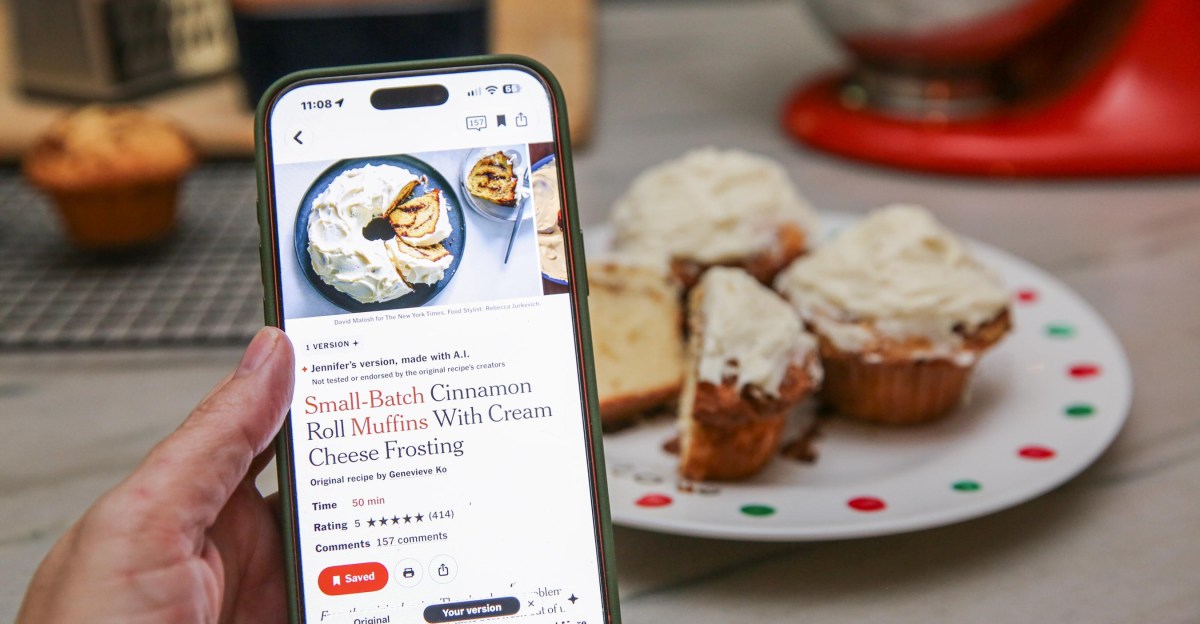
In Verge testing, NYT Cooking's AI assistant rewrote a One-Pot Chicken and Rice With Ginger recipe around the…
At Fal.Con in Europe on Nov