
What happened
Anthropic released the /ship skill for Claude Code in beta, covering commit, push, PR creation, review and fixes, and watching the PR in one session for up to 7 days. The skill's prompt explicitly forbids merging, queueing for merge, or enabling auto-merge.
Why it matters
This lets a single skill take a pull request from creation to just before merge, with the final merge step left to a person. The skill's built-in limits, such as a capped number of pushes and a restricted command list, reduce the risk of unsupervised changes, which may make it easier for developers to delegate routine PR babysitting without handing over merge authority.
Summaries like this, every morning.
The /ship skill arrives as part of Claude Code's built-in capabilities, and its prompt reveals design choices aimed at safe delegation. While /ship automates much of the PR lifecycle, it draws clear lines: it will not rewrite history, merge, approve, change repository settings, or execute commands found in comments. These restrictions are enforced not only by instructions but also by the Claude Code runtime, which limits the gh and git commands available during watch mode and caps push frequency. This suggests Anthropic is targeting teams that want automation without surrendering control over the final merge.
The skill also introduces a different workflow compared to common manual setups. For instance, the author typically runs reviews before opening a PR, whereas /ship reviews after PR creation. This ordering may interact with existing review bots that trigger on PR open. Additionally, /ship writes PR bodies in English with a fixed Summary and Test plan structure, which may not fit teams with their own templates. These differences highlight that /ship is opinionated, and teams may need to adjust their processes or use /steward for partial adoption.
Looking ahead, the author plans to test /ship on small PRs that don't require specific templates or screenshots, and to try replacing only the watching part of their workflow with /steward. This incremental approach reflects a broader pattern: as AI coding tools add more autonomous features, teams will likely evaluate them on how well they integrate with existing review and merge policies, not just on raw automation.
Pick your industry and the AI tools you use, and get news related to your work every day.
Free · 30 seconds with Google · unsubscribe anytimeWhat is AIToday? →
Ask AI anything about this article. The AI reads this article, earlier AIToday articles, and Wikipedia, and cites its sources. Q&As are published on this page for other readers too.
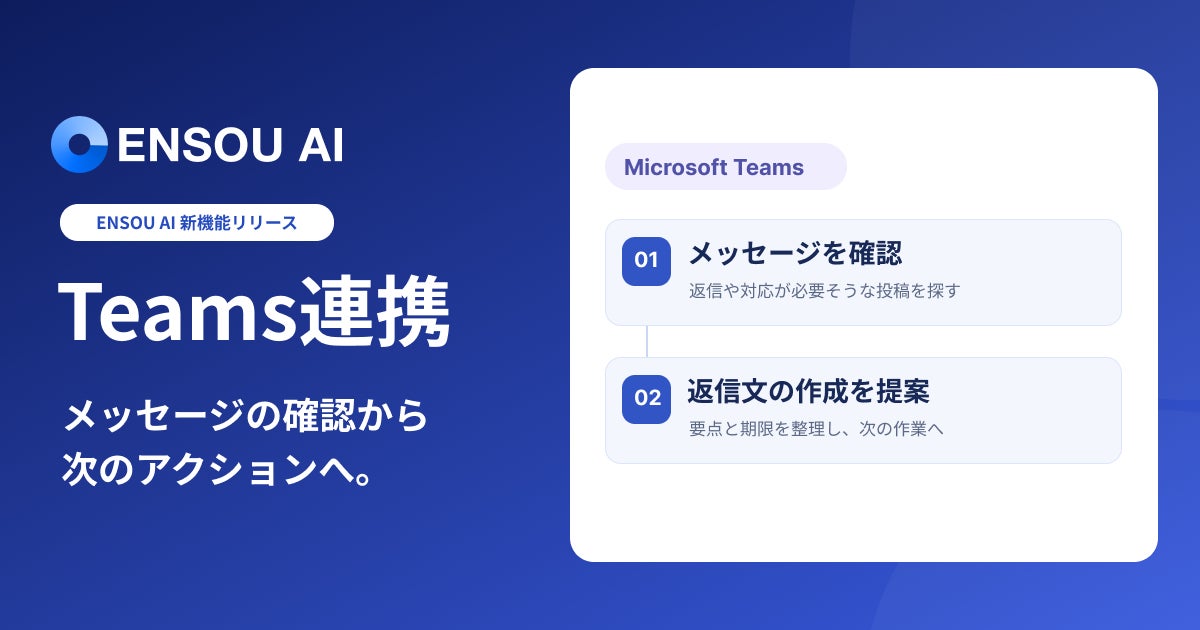
Digeon released a Microsoft Teams integration for its ENSOU AI enterprise generative AI service, so users can…
NishaMe, Rimo's first designer, built design-protos on Claude Code, with PRs from 14 people reaching 244 and h…
Linq raised $90 million in a Series B led by Andreessen Horowitz (a16z), with TQ Ventures, Mucker Capital and…

Musashino holds a monthly in-person company-rules workshop immediately followed by an AI workshop for its seve…

Using several hundred items of DUNLOP schedule and resource data, NEC's AI agents coordinated development plan…

Cognition AI Japan said its autonomous AI software engineer Devin is in use at NTT Docomo's product technology…