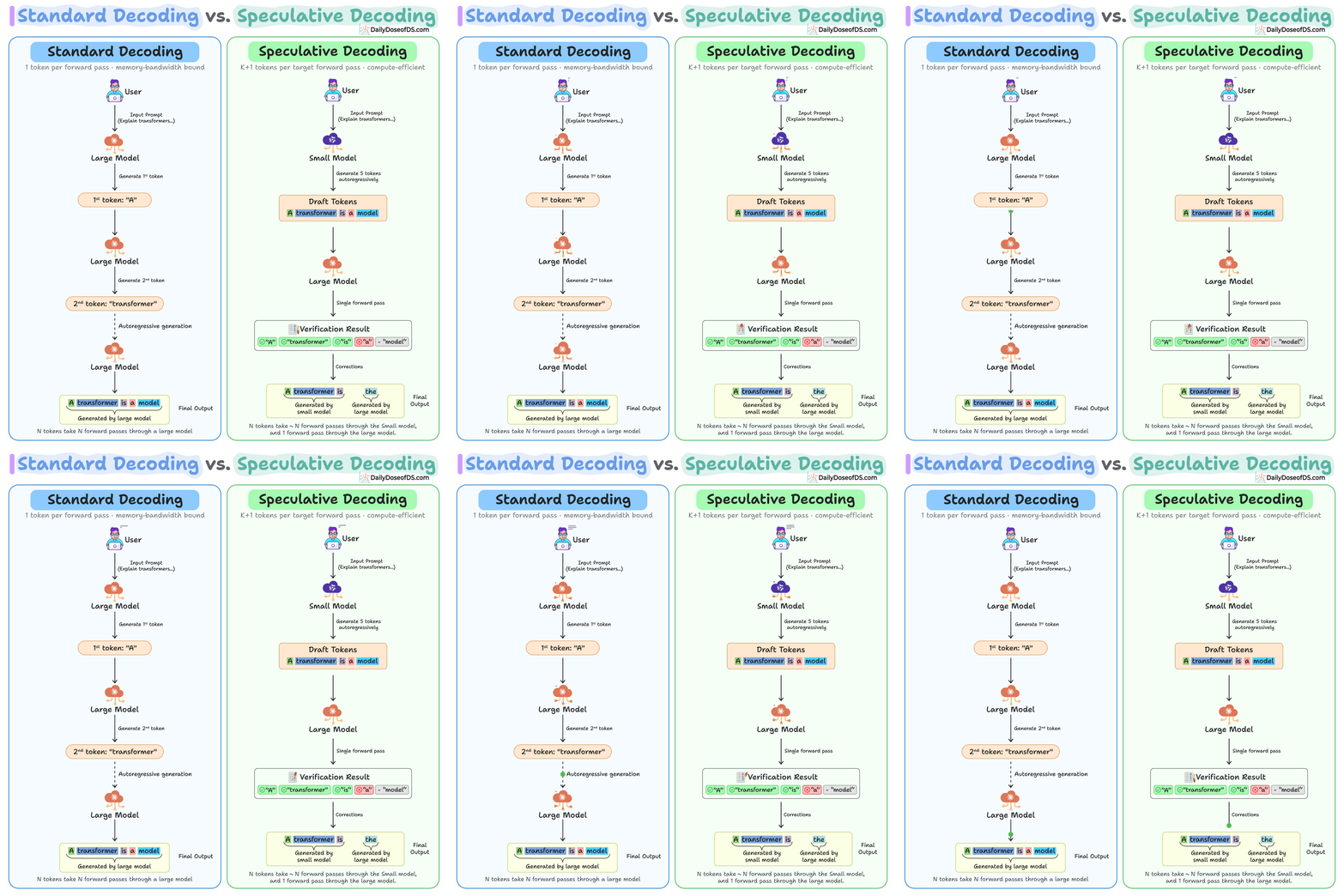
Speculative decoding works by having a small model (10–100x smaller than the target) generate K candidate tokens, then a large model verifies all K tokens in a single forward pass before accepting or rejecting each token. Google uses this in AI Overviews to serve over a billion Search users; Anthropic, Meta, and major inference providers use it to reduce latency at scale.
Same-tokenizer pairs (draft and target models sharing a tokenizer) achieve 1.5–3x speedup, while cross-tokenizer pairs achieve 1.5–1.9x speedup. For example, Llama 3.2 1B as drafter with a larger target model achieved 2.31x speedup, while Llama 3.1 8B achieved 2.08x despite higher token acceptance.
Emerging variants like EAGLE (trains a lightweight head on the target model's hidden states), Medusa (adds multiple prediction heads), and self-speculative decoding (LayerSkip, SWIFT—uses the target model's own early layers as drafter) aim to eliminate the need for a separate draft model or extra training.
Summaries like this, in your inbox every morning.
Pick your industry and the AI tools you use, and get news related to your work every day.
Free · 30 seconds with Google · unsubscribe anytimeWhat is AIToday? →
Ask AI anything about this article. The AI reads this article, earlier AIToday articles, and Wikipedia, and cites its sources. Q&As are published on this page for other readers too.
ElevenLabs completed a $300 million employee tender at a $22 billion valuation, and co-founder Mati Staniszews…

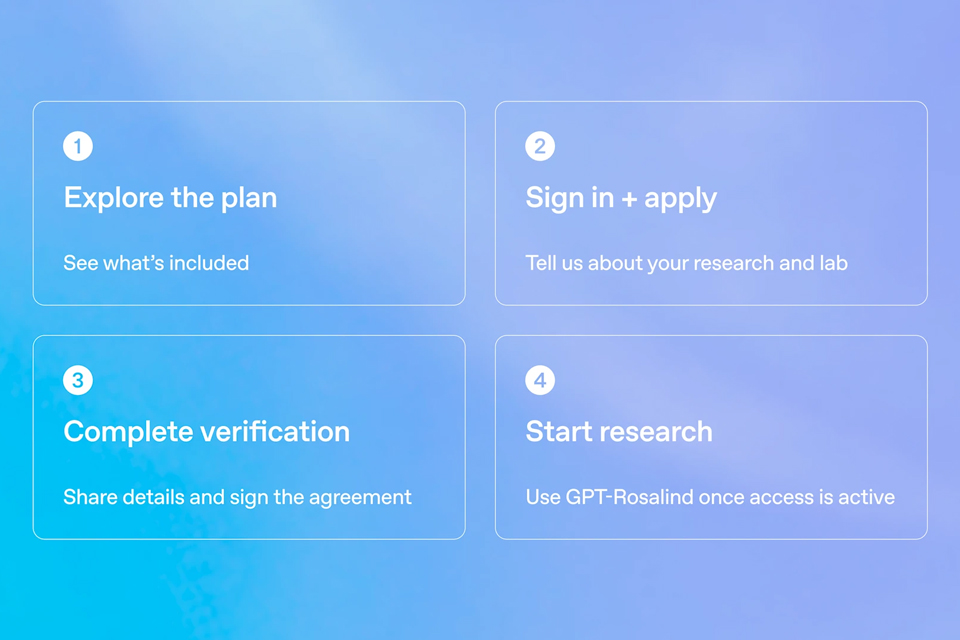
On October 15, OpenAI announced the Rosalind Academic Plan, giving approved US university labs free access to…
A Qiita article compared automated red-teaming methods for LLM apps — GCG, PAIR, and TAP — using mock implemen…

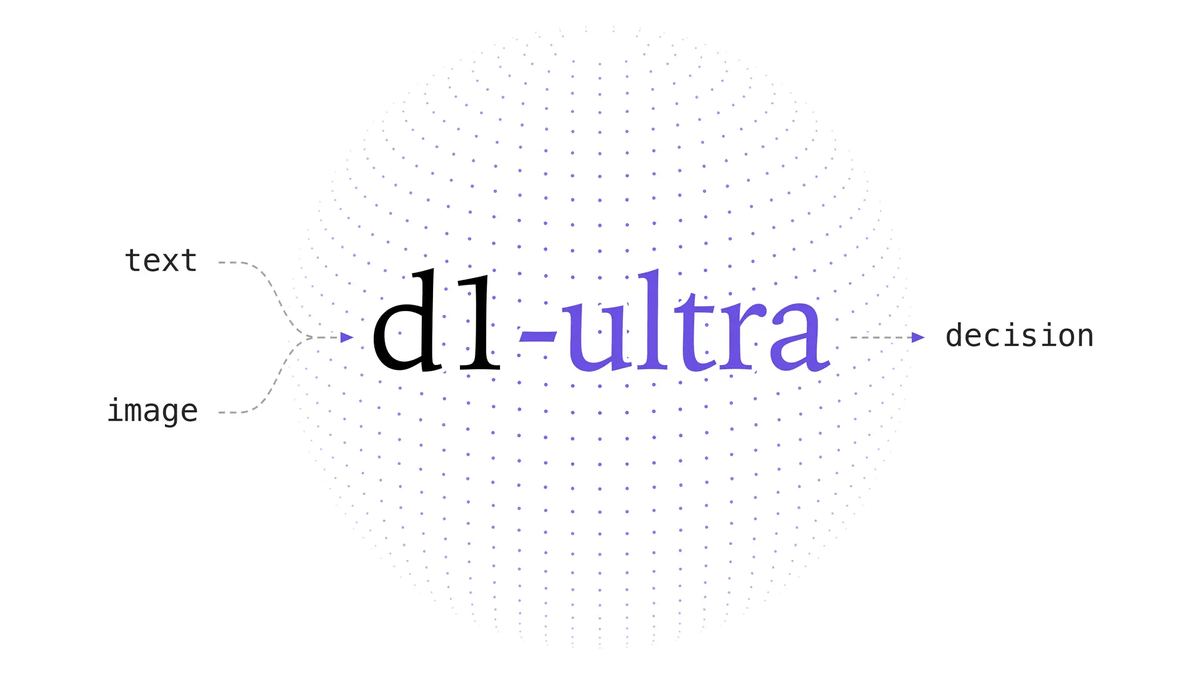
Liquid AI released d1-ultra on October 15, 2026, an upgraded open-weights decision model that averaged 76.7 ac…
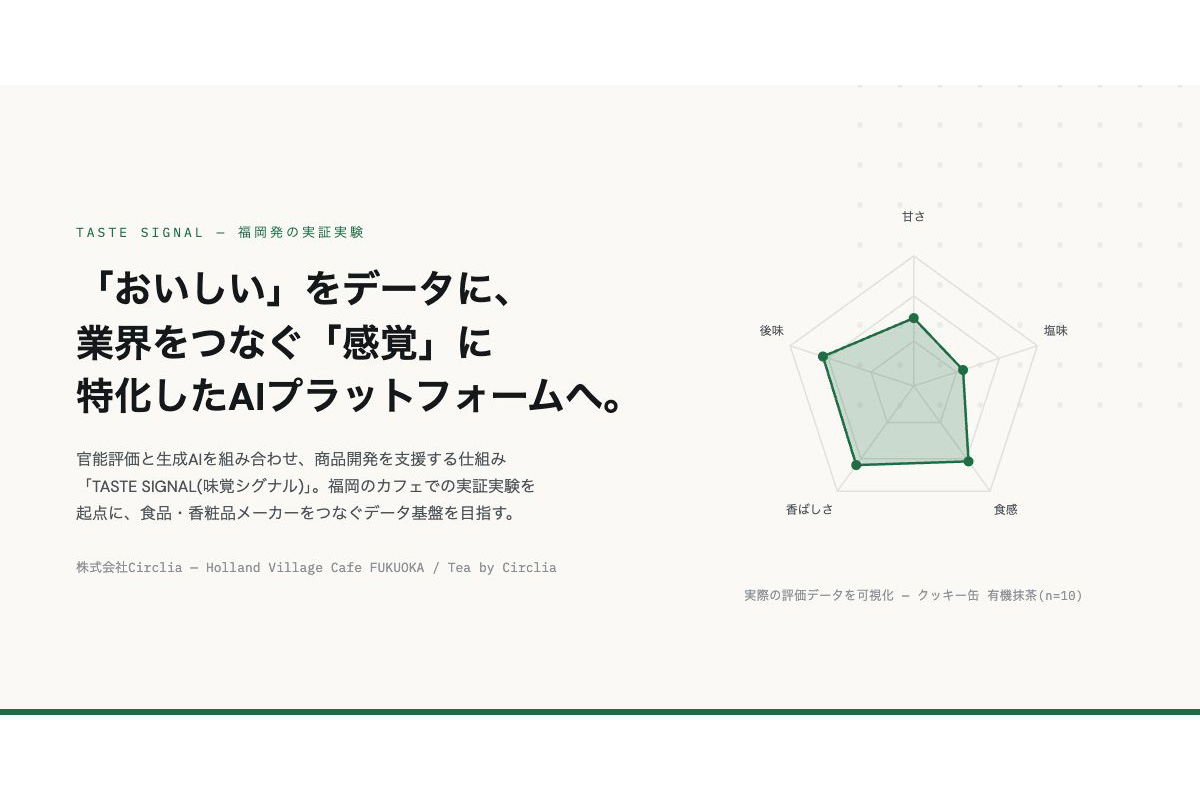
Circlia started a proof-of-concept for TASTE SIGNAL: visitors to Holland Village Cafe FUKUOKA taste cookies an…
In a webinar hosted by French Mathematical Society president Isabelle Gallagher, Fields Medal winner Hugo Dumi…

