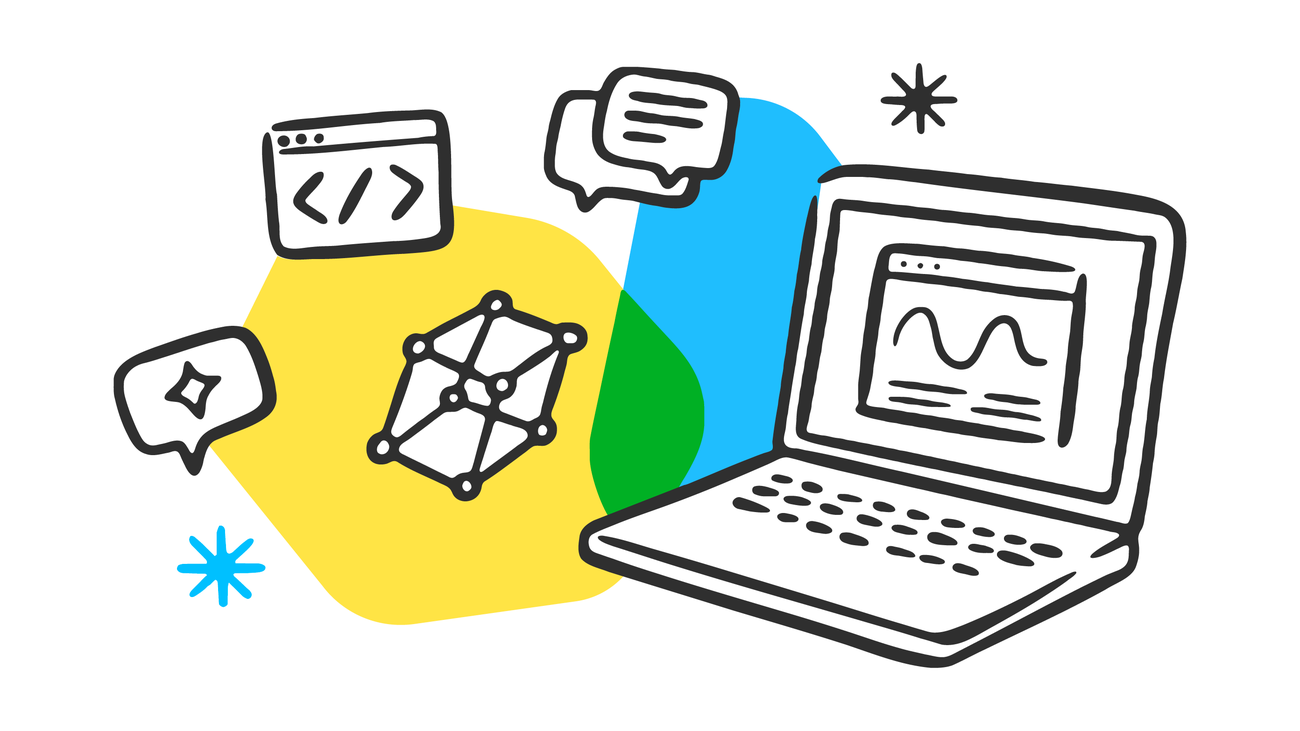
Google and Kaggle's latest free AI training course, focused on building AI agents through natural language programming, enrolled over 353,000 participants and generated more than 6,000 capstone projects.
The course's scale and engagement reflect strong developer demand for hands-on AI skills training, with participants collaborating in real time on Discord to debug code and share knowledge.
All course materials remain freely available as self-paced learning resources.
What happened
Google and Kaggle ran a 5-Day AI Agents: Intensive Vibe Coding Course that attracted over 353,000 registered participants. The course taught developers to build production-grade AI agents using natural language programming (vibe coding). Over 392,000 active participants collaborated on Kaggle's Discord, and more than 6,000 capstone project submissions came from over 12,000 active participants.
Why it matters
Since Google and Kaggle launched their first "5 Day Intensive" course in 2024, more than 2 million learners and developers have participated in these no-cost courses. The massive enrollment and project submissions signal that developers are eager to learn AI agent development and ready to move prototypes into production — a shift the course framed as graduating from "vibe to live."
What to watch
All course content remains available as a self-paced Kaggle Learn guide for those who missed the live event in June. Google and Kaggle say they look forward to continuing their partnership and exploring future learning opportunities; learners can stay connected through ongoing Kaggle competitions and the Kaggle Discord community.
Ask the AI about this article →
Google and Kaggle's partnership on free, intensive AI courses reflects the breakneck pace at which AI technology is evolving. As the article notes, new concepts, skills, ideas, and tools arrive almost daily — outpacing traditional learning and teaching methods. The company needed a new format to keep developers current. The "5 Day Intensive" model, launched in 2024, appears to have found product-market fit: more than 2 million learners have participated across multiple courses, and the latest iteration on AI agents drew over 353,000 registrations alone.
The focus on "vibe coding" — programming through natural language — represents a significant shift in how developers interact with AI. Rather than handcrafted code, participants learned to define agent behavior in conversational terms and guide systems toward production readiness. The course's structure encouraged real-time collaboration: over 392,000 active Discord participants shared code and formed study groups, while more than 12,000 submitted capstone projects. This suggests that the barrier to entry for AI agent development has lowered substantially, and the global developer community is ready to move beyond prototypes.
The decision to keep all course content available as self-paced learning extends the reach beyond the June live event, signaling a commitment to sustained, open access to AI training. The scale of engagement and the breadth of submitted projects — from digital humanities tools to space-weather research systems — indicate that Kaggle and Google have tapped into genuine developer demand for structured, hands-on instruction in a rapidly evolving field.
For example, today's edition would include:
AI-summarized, only the topics you pick — one digest a day via Email, Slack, or Discord.
Free · takes 30 seconds · unsubscribe anytimeWhat is AIToday? →
Ask AI anything about this article. Q&As are published on this page for other readers too.
Israeli startup DataAgent Ltd
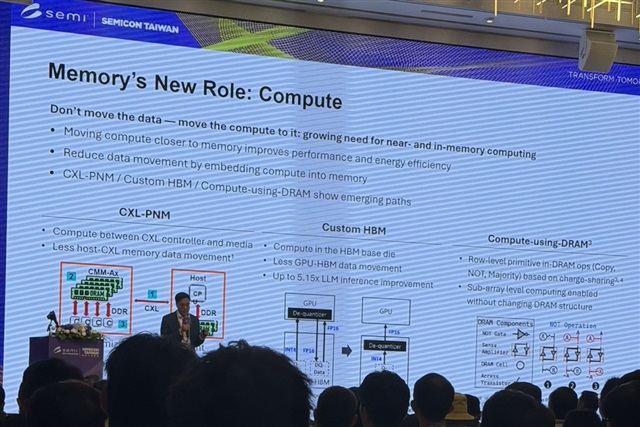
SK Hynix presented a custom HBM concept at SEMICON Taiwan 2026, where compute functions are placed in the base…
Nvidia reported earnings that were both remarkable and boring, reflecting its focus on avoiding a consolidated…
Anthropic has agreed to a $35bn cloud-computing contract with Lambda, a Nvidia-backed cloud provider
The Supreme Court of Japan has included about ¥60 million in its fiscal 2027 budget request for AI-related exp…
The Consumer Affairs Agency said Tuesday it will use generative AI to analyze about 900,000 annual consultatio…